

A deeper look at the rich culture and history that feeds the beloved Greenville Greek Festival
For those who have experienced Greenville’s iconic Greek Festival, there is an undeniable sense of authenticity. You can feel it in the warm banter, hear it in the vibrant music, and taste it in the incredible food . . . and there’s a good reason why. The community of families who bring this exciting event to life live in two different worlds—the Upstate of South Carolina, and Evrytania in Central Greece—making the festival feel like a true portal between both.
“My family story is similar to most Greek Americans,” says Tori Zambrano, the Greek Festival spokesperson. “My grandfather immigrated here in 1954. When Greeks would come to the US, they’d go where other people from their area already lived—and we have a large population of people from the Karpenisi area, in the Evrytania mountains.”
Rediscovering Roots through Greenville Greek Festival
A young professional now, Zambrano—like many other families in the St. George Greek Orthodox Cathedral community—spent her childhood summers in Central Greece, and when back home in the states, kept her culture’s traditions alive with extracurricular activities: Greek school, Greek dance, and sports through the Greek church. “We’re still heavily connected to our roots in Greece. We live there [part of the year], and most of us still have family there. The festival is a real representation of that.”
Established nearly 40 years ago, the Greek Festival grows bigger every year and pulling it off requires a herculean effort—made more remarkable by the revelation that it is entirely volunteer-produced, with different families handling food, drinks, ticketing, and more. This level of “selflessly serving others” is a reflection of what binds them all together: their Orthodox Christian faith and the historic cathedral in which they practice it.
“You’re not getting the full experience if you don’t come inside the church while you’re there,” says Zambrano. “Our cathedral is open, we do church tours, and there’s an iconography exhibit.” The festival will also host a new traveling exhibit this year about Mount Athos in Northern Greece, home to one of the largest Orthodox monastic communities in the world—a sacred place believed to be under the protection of the Virgin Mary.
The 39th Annual Greek Festival is set to take place from May 16–18; make this the year you look, taste, and listen a little closer to the culture all around you. See the beautiful costumes worn by the dancers? Ask about the awards their designer has won. See those delectable treats in the tent? Ask how many hours—no, weeks!—it takes the yiayias, or grandmothers, to make them. I promise you won’t be disappointed.
Must-try Treat: Tsoureki
What makes this sweet, braided bread so special? It’s traditionally made only at Easter, so don’t miss your chance to try it!
 Ask the Yiayias
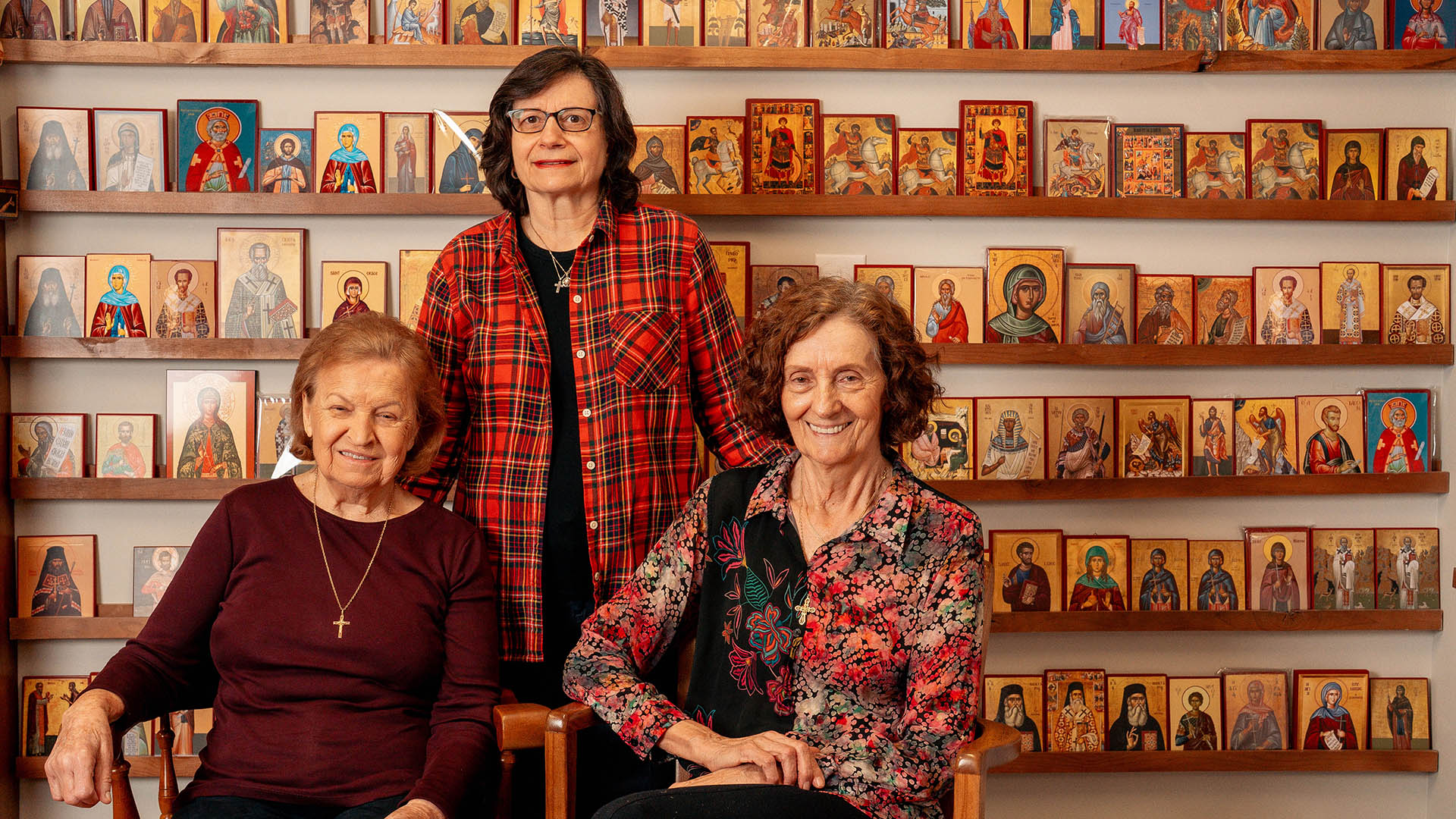
“Yiayia” is the Greek word for “grandmother,” and three of the festival’s matriarchs share why the event is meaningful to them.
- “The Greek festival to me is our chance to share our Greek culture and traditions with the Greenville community.” — Voula Kapousidis
- “I love getting together with my friends from church to prepare the food for the festival. It gives my generation a sense of community in the church kitchen as we prepare for the festival the same way the Greek Festival weekend gives community for others.” — Alkmene Skenteris
- “This is our time to show Greenville our culture, traditions, language, food, music . . . and of course, dancing! It is wonderful to see the youth learn the traditional dances and how excited they are to perform for Greenville.” — Poulia Gianopulos


