
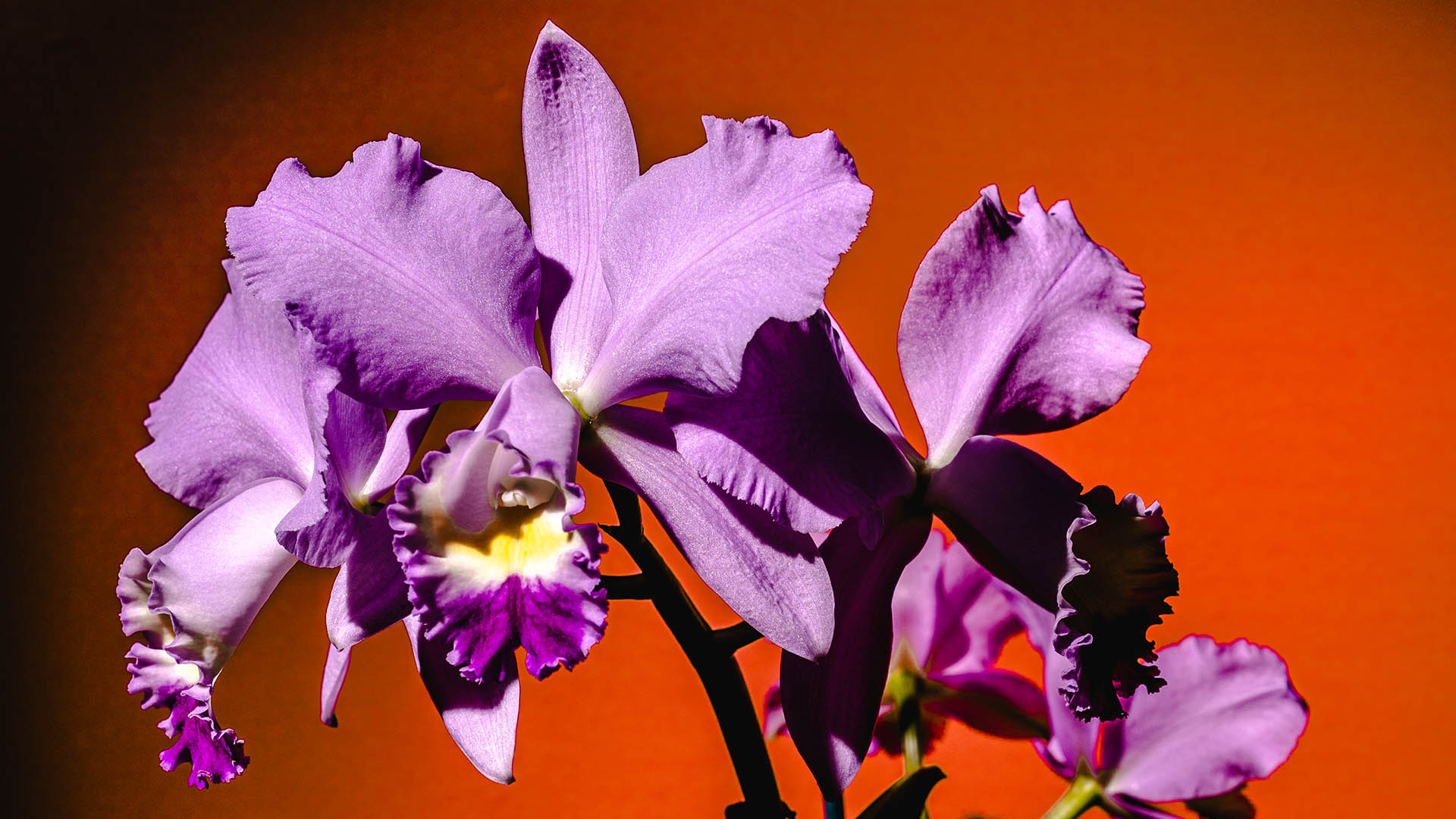
An addiction. An enjoyable challenge. A slice of heaven. With their uniquely beautiful blooms and specific care instructions, orchids can elicit all manner of descriptions from the enthusiasts who grow them.
“In nature, you have a lot of things that bloom, and they’re beautiful. But orchids are spectacularly different,” says Nancy Allen, president of the Blue Ridge Orchid Society, which hosts an orchid show each February in Seneca. This year, there were over 1,000 attendees.
“There’s such an immense variety of styles and shapes and colors and patterning,” she adds. “And there are so many varieties where not only are the blooms beautiful, but they have interesting (leaf) growth.”
While many people picture orchids as the Phalaenopsis species sold in big-box stores, there are upwards of 25,000 recognized species and “more still being discovered,” says Mark Reinke, who cultivates hybrid orchids at Marble Branch Farms in Walhalla.
Orchids grow in every climate on every continent except Antarctica, making them one of the largest families of flowering plants on earth. “They are naturally epiphytic, meaning they grow on trees,” says Trace Elliott of Last Chance Orchids. He began growing and selling orchids–and reviving clients’ dying ones–after he rescued a few near-death Phalaenopsis from a dumpster in 2020. One of them is still thriving.
 “I’m fascinated with the way they grow and the way they reproduce,” says Elliott, whose favorite is the Psychopsis. Its blooms look “like a butterfly so a specific type of bee in Venezuela or Colombia where it grows attacks it. The bee doesn’t like butterflies, and the orchid wants to be attacked to be pollinated,” he says.
Lavenders, greens, reds, yellows, and more, the fanciful flowers come in “almost every color imaginable, except blue,” Elliott says. While Phalaenopsis is not fragrant, many species are. One, the Oncidium Sharry Baby, smells like chocolate; others smell like roses, vanilla, “and everything you can think of,” he adds.
Upwards of 100 species grow naturally in South Carolina, although “many of them are small and insignificant, and you would walk right past and not notice,” says Reinke, whose love of orchids goes back to his Florida childhood when he helped his neighbor care for her vast collection.
One state species is the Green Fly Orchid, which grows alongside resurrection ferns on the limbs of coastal live oak trees. “You need expert eyes to notice when they are flowering. But they happen to be a distant relative of Cattleya, the grand corsage orchids ladies used to wear in the ’50s and ’60s for Easter and Mother’s Day,” Reinke says.
He has a patch of Pink Lady Slipper orchids naturally growing on his 53-acre property, and Elliott planted Lady Slipper and Bletilla orchids, known for their lavender or white flowers, in the yard of his Mauldin home. Although the Bletillas are native to China and Japan, “they grow well here,” he says.
Allen, Elliott, and Reinke insist anyone can successfully grow orchids from a home windowsill with the right care and with a dose of patience, particularly for some of the slow-growing species.
“There are a lot of orchids that are within the ability of a novice to do well with,” says Allen, who compares the thrill of getting one to rebloom to the rush novice golfers experience when they first hit a perfect shot. “The challenge grabs you,” she adds.
“The big thing is: Orchids are not hard to take care of,” Elliott says. “They’re just hardier and stronger than a lot of the houseplants people have. Those plants wilt when they’re too dry. These will be ok for a couple of months before they start showing signs.”
Beyond “Grocery Store” Orchids
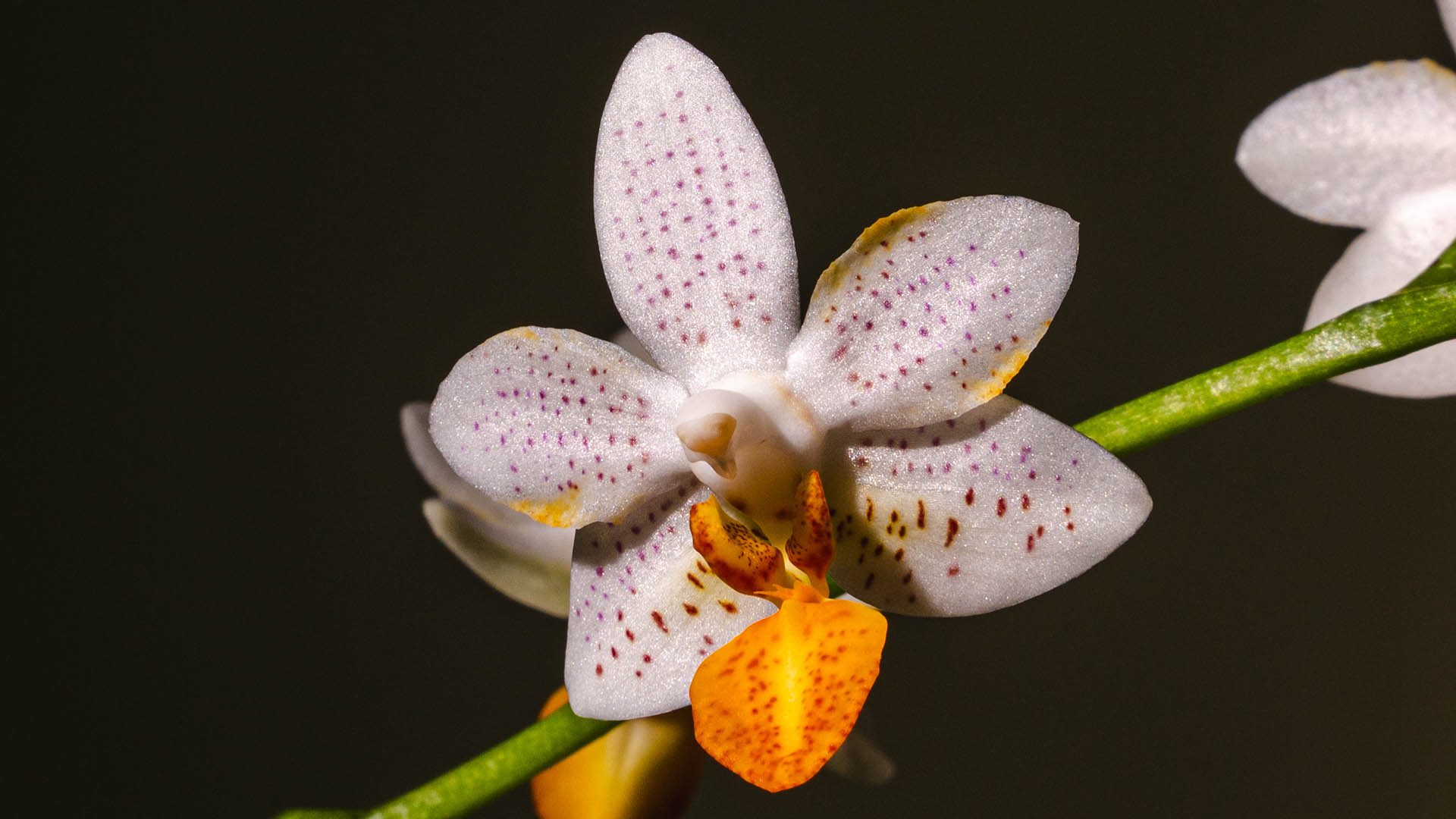 Phalaenopsis orchids, which have single-stem roots, are grown in massive greenhouses in Taiwan and are shipped by thousands overseas, Reinke and Elliott say, to fill grocery and home improvement store shelves. Yet, there are tens of thousands of other recognized species that “are multi-growth plants,” Reinke says.
Some other types that people are likely to see and purchase are:
- Dendrobium – They are one of the largest of all orchid genera with nearly 2,000 species. Although native to southeast Asia, they grow in climates from hot, wet lowlands to high-altitude, cool mountains.
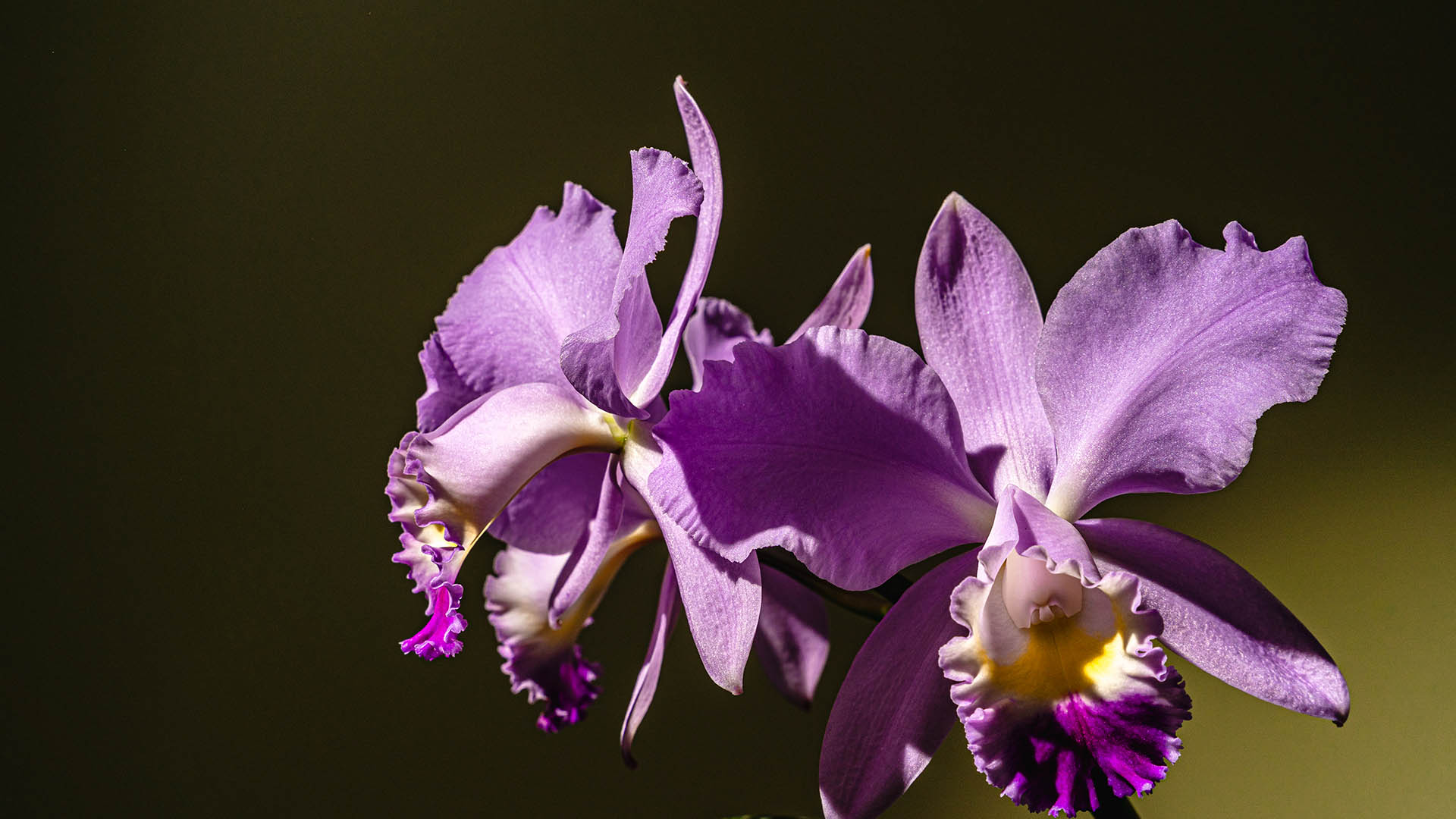
- Cattleya – These are descendants of the corsage orchids from the mid-20th century. They often are “beautifully scented and need a window in the house that’s brighter because they do take more light,” Allen says.
- Oncidium – Quick growers with sprays that can have many flowers, they come in all colors and shapes.
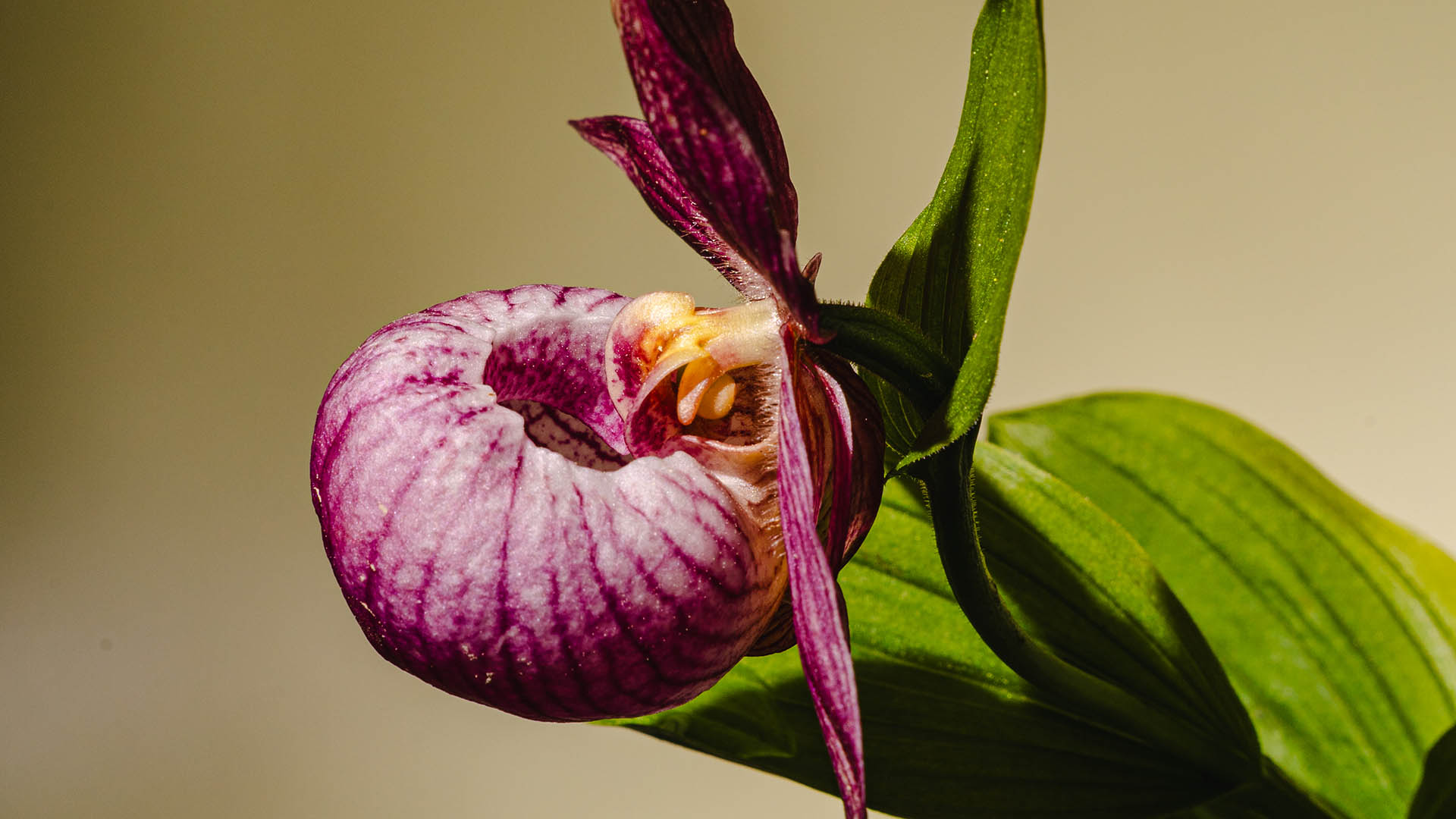
- Paphiopedilum – Tropical lady slipper orchids, these are distant relatives of the woodland pink and yellow lady slipper orchids that grow locally.
- Cymbidium – Semi-large plants with spikes of many flowers, from 5-inch ones on big plants to more numerous smaller flowers on medium-sized plants.
Interested in growing different orchids?
 Reinke sells his hybrid orchids from Marble Branch Farms at the TD Saturday Market in downtown Greenville or online at marblebranchfarms.com. While they can vary greatly in price, a young blooming plant will cost around $30.
- Elliott suggests visiting an orchid nursery, such as Newberry-based Carter & Holmes Orchids, Looking Glass Orchids, or Owens Orchids, both of which are in Pisgah Forest.
- To get information about different species’ care, Elliott says it’s best to join the American Orchid Society, which has a wealth of information on its website.
- Locally, the Blue Ridge Orchid Society provides learning opportunities and chances to interact with other orchid hobbyists. The non-profit meets monthly from September to June, and memberships are $20 per person and $10 for each additional family member. For more information, visit blueridgeorchidsociety.com.
Quick Care Tips from Trace Elliott
- Place orchids in a spot with bright shade, such as an east- and west-facing window. Orchids can burn in full sun.
- Orchids grow in either bark mixture or sphagnum moss. Pay attention to the medium: If it’s drying out, that’s the time to water. When an orchid finishes flowering, take it out of “whatever media it’s in,” Elliott says.
- Orchids like “the temperatures we like,” he says, but thrive on humidity. To create a humid environment, run a humidifier or use a humidity tray. It is a shallow dish lined with stones and filled with water almost to the top of the stones. The orchid should sit on top of the stones to benefit from the evaporating water, but make sure it is not sitting in the water to avoid root rot.
- Don’t water with ice cubes. “It’s a gimmick to get you to come back and buy another one,” he says. “It’ll keep the plant alive for a couple of years and give it enough water, but eventually, it’s going to kill the roots. Rotting the roots is going to be what kills most people’s orchids.”
- Instead, novice growers should place orchids in a bowl and let them absorb water. Start with once a week. Most orchids need to dry between watering sessions, but “wrinkles in the leaves or bulbs indicate the plant needs more water,” Elliott says.
- Don’t worry if your orchid isn’t doing much. “A lot of orchids go through a dormant stage,” he says.
- Find Elliott on Instagram @lastchanceorchids.


