Neck and back pain are common occurrences for many adults, but that doesn’t mean these pains should be ignored. It could signal that a spine-related condition needs treatment.
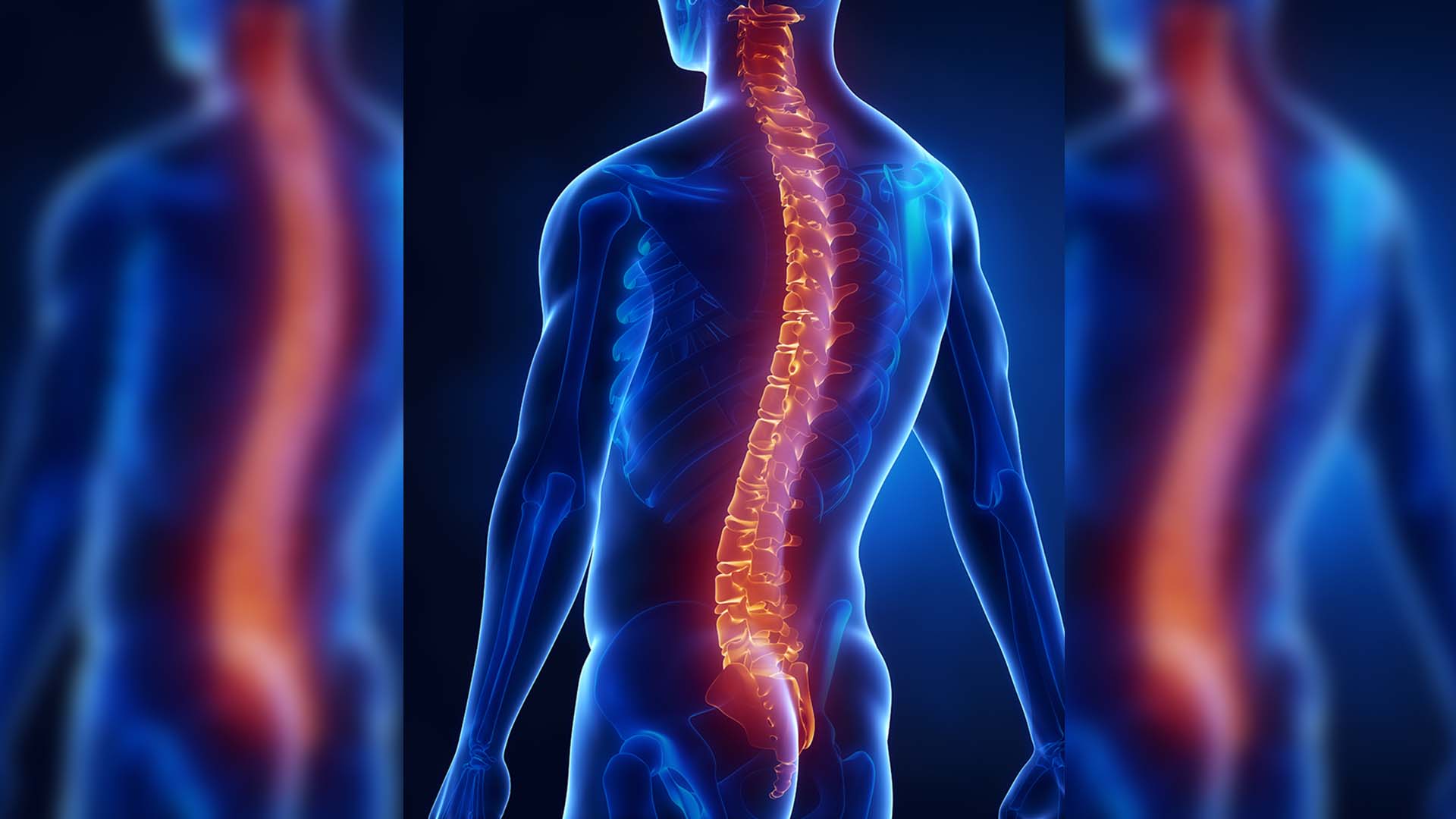
Made up of bones (called vertebrae) separated by soft spacers (called discs), the spine is a key part of your body. Its three sections include the cervical spine (neck region), thoracic spine (chest region), and lumbar spine (lower back).
“It is your axial skeleton,” says James Whaley, MD, an orthopedic surgeon with Bon Secours Piedmont Orthopaedics. “Your arms and legs are attached to your head from your spine. Not only is it there for structural integrity, as well as attachments for muscles, but it also carries your spinal cord and nerves to the other parts of your body.”
Protecting your spine starts with a healthy lifestyle: maintaining a healthy weight, exercising regularly, “and when you do exercise, using proper technique,” Whaley says, as well as not smoking. Good posture will “help to minimize any abnormal forces on your spine,” he adds.
The spine can experience breaks, sprains, diseases, and other debilitating conditions. A common ailment is degenerative disc disease, which can cause pain when discs shrink over time, or because of injuries, sports, or daily activities. Disc herniations are a more acute issue that can happen in any section of the spine. “If it’s in the cervical and lumbar spine, it typically gives radicular-type pain, pain down the leg, or pain that shoots down the neck down to the arms,” Whaley says.
Spinal stenosis can affect the cervical, thoracic, and lumbar spine. “People start noticing they can’t walk very far if the stenosis is in the lumbar spine,” Whaley said.

“They can try conservative treatment, but there is a benefit to them getting operative intervention. If the stenosis is in the cervical region, they will notice issues with dexterity in their hand or balance issues when walking.”
Older patients can experience compression fractures. “I think that really underscores the importance of bone health and having a conversation with your primary care provider, to make sure that if you do have osteoporosis, you are getting the appropriate treatment,” Whaley says.
Many spine issues can improve with conservative treatments like injections and physical therapy. But there are some true emergencies or urgencies where “time is tissue,” Whaley says.
Anytime you experience pain that is “so severe that you can’t ambulate or function or get around, or if you are unable to move your limbs, if your leg is dragging, if you can’t move your arms, if you are having bowel or bladder retention/incontinence, from the waist down, you need to go to the emergency room,” he adds.
If you’re experiencing back or neck pain or pain radiating into your arms or legs, a Bon Secours doctor can help. To find the right provider for you, visit Bon Secours’ Find a Doctor website: https://www.bonsecours.com/find-a-doctor. You can narrow your search by zip code, accepted insurance plans, specialized care, and more.