
For many people, building a retirement income simply means saving as much as possible. Some go further by managing the investments of their savings, but those aiming to maximize their money often look to professionals to mitigate the obstacle no one can completely avoid: taxes.
According to Jennifer Lahaie of JEHM Wealth & Retirement, one of the most effective tools for managing taxes in retirement is the Roth Individual Retirement Account (IRA), which was established through the 1997 Taxpayer Relief Act. Restrictions involving eligibility to contribute to a Roth and qualifying for a Roth conversion have changed throughout the years, causing misconceptions and confusion for many.
“Most people don’t notice those tax code changes until they impact them,” Lahaie said. “There are a lot of nuances to be aware of in retirement in order to avoid unnecessary taxes.”
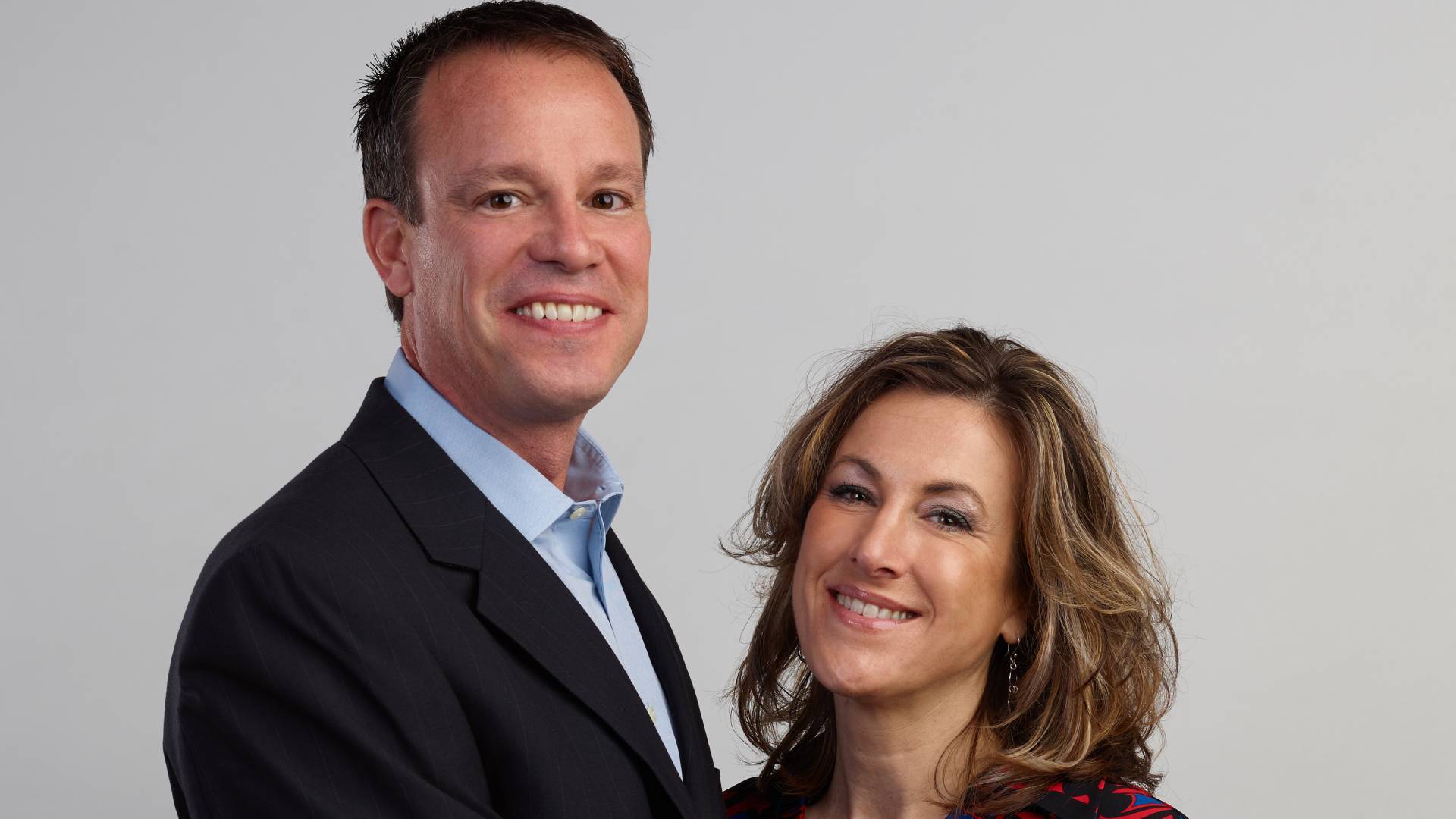
Working with a trusted financial adviser is critical for that reason, according to Lahaie, who holds the Retirement Income Certified Professional (RICP®) designation. As co-founder of JEHM, an independent financial services firm based in Simpsonville, she underscores the fact that she and her associates do much more than recommend stock accounts.
“We take a holistic approach, helping people put together a retirement plan that shifts their focus from just investment growth to preservation, distribution and growth, so they can successfully generate the income they need all the way through retirement. A big part of that is working to be more tax efficient,” Lahaie said.
Most JEHM clients are recently retired or plan to retire within five years; they’ve saved but need assistance beyond investment advice, an annual conversation with a CPA or a Google search. Lahaie said it is unlikely that people in the peak of their earning years would want to convert funds, but early in retirement is the opportune time to convert from an employer sponsored retirement account like a 401(k), 403(b) or 457 or from a traditional IRA to a Roth.
“The goal is to pay only mandatory taxes, not voluntary taxes,” Lahaie said. “The benefit of the Roth is paying the tax at today’s rate, a rate you know and can control, allowing the funds to grow tax-free for the future. Think of it as a farmer choosing to pay the tax on the seed rather than the harvest.”
Calling the Roth a great “inflationary hedge,” Lahaie noted it is not subject to required minimum distribution (RMD); contributors can typically take tax- and penalty-free withdrawals after age 59 1/2. Conversely, a traditional IRA is funded with pre-tax dollars. Money grows tax-deferred, but withdrawals are taxed as ordinary income after age 59 1/2 — and there’s an RMD after age 72.
Lahaie stated that later in retirement, as inflation rises, nontaxable money in a Roth can fund unexpected expenses or even serve as a legacy; the money is tax-free to heirs. Ideally, an individual would have multiple accounts such as a traditional IRA, a Roth and non-qualified funds. A retirement income adviser can help manage income distributions from each of these accounts, providing clients more control over their income taxes.
Over the years, Lahaie has seen some of the most accomplished people fall victim to poor planning or make mistakes, subjecting their hard-earned dollars to more taxes than necessary. In summary, long-term security means more than saving and investing. Strategic use of accounts like the Roth helps JEHM’s clients get the most from their money and from their retirement life.

www.jehmwealth.com | 864.527.0482


