
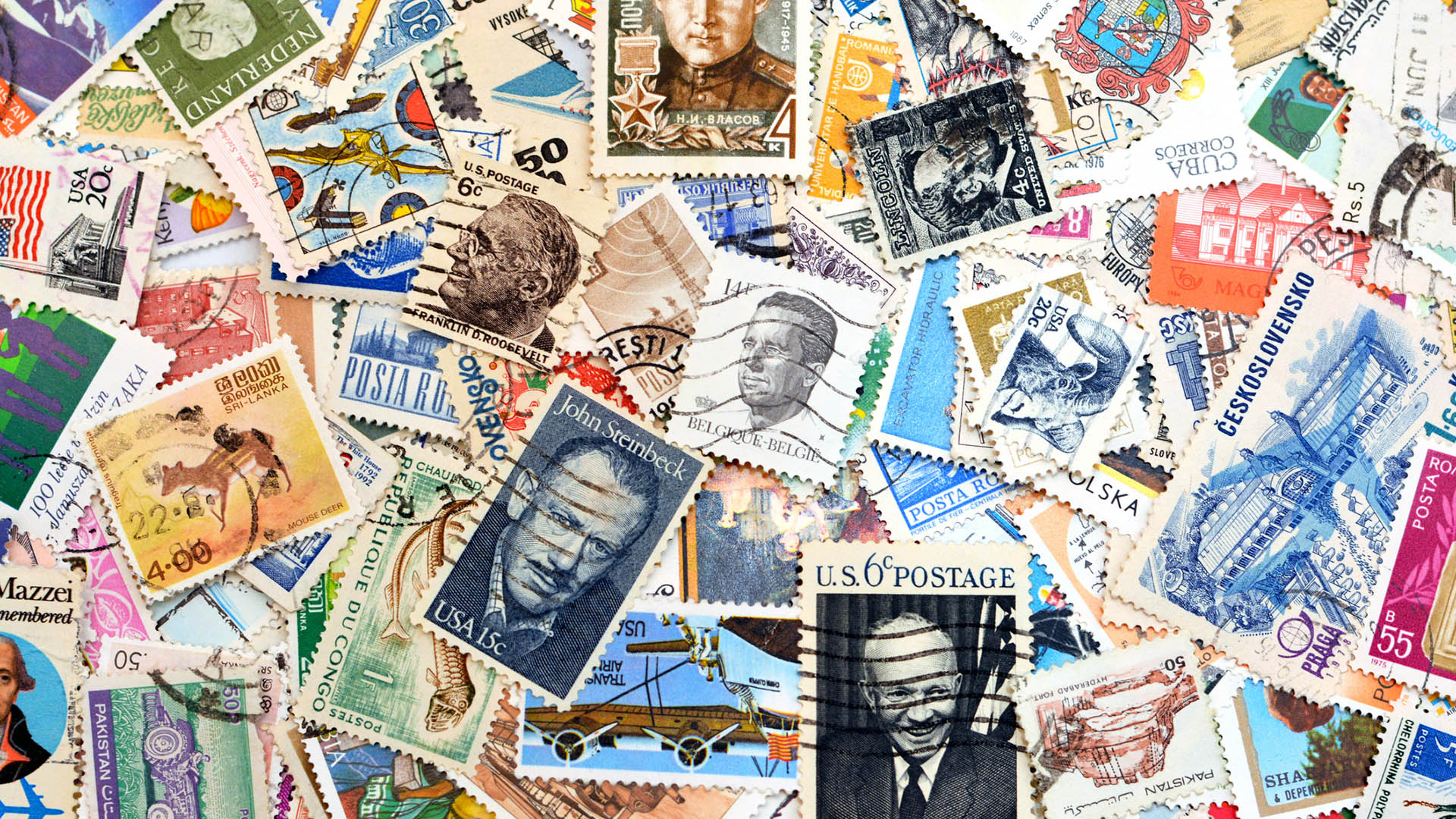
People collect virtually anything—cars, airplanes, stamps, coins, rare books, guns—with little thought to what might happen to those collections when they’re gone.
The first thing to remember? That beloved rare stamp collection might be considered an asset. And the more unusual the collection or asset, the more complex the process for passing it on to loved ones.
Ike Poplin, managing director and owner of Millennium Private Wealth, says there’s no one specific definition of an “unusual asset,” but typically it’s anything that is non-traditional.
“If, for example, you live in Kentucky, equestrian assets might be commonplace. But here in South Carolina, they probably are not,” he says. “In Texas, oil and mineral rights might be common, but they aren’t seen in other places.”
Digital Assets
Poplin says some of the more unusual assets he’s come across have been airplanes, a Rolls-Royce, and high-end art collections. And, these days, cryptocurrency and other digital assets are becoming a part of planning conversations. “It’s a different world,” he says.
The key? Plan, plan, and plan some more. “Digital assets like passwords, photographs, electronic histories,” he says. “Who gets that? If you passed away today, who gets your passwords? If you’re a photographer, who gets that wealth of photographic imagery?”
In the case of complex, high-value assets, Poplin says family harmony is paramount. “Most people I speak with tell me they want their family to remain intact, for the children to get along, for everyone to be speaking to everyone. The more communication on the front end, the greater the likelihood of family harmony in the long run. And to me, that’s critical.”
Assigning Value to Unusual Assets
Placing a value on a collection or an asset may be a moving target. “Unusual gun collections may not be an asset class, but the question becomes passing them on,” Poplin notes. “A collection of 500 Civil War muskets is a pretty nontraditional asset class, but when (the owner) passes, what happens?”
The point is, the more unique the asset, the more time a family needs to be prepared to deal with it.
“The more a family knows beforehand, the better,” he says. “The last thing you want is for the family to be reading the will and only then finding out what’s going to happen to some collection, asset, or a farm or boat or plane. It’s something you need to talk about early and often.”
Communication is Key
Millennium Private Wealth brings families together in “family dynamics meetings,” according to Poplin. “Whether it’s dealing with a family business or an art collection . . . art looks easy hanging on the wall, but when you start talking about storage, disposal, shipping, and transportation of high-end artwork, it gets pretty specialized pretty quickly. Having a family dynamics meeting keeps a lot of peace and harmony in high-net-worth families with unique collections.”
One key facet of unusual asset planning is bringing in an appraiser and determining value, which is the first of many steps in sound planning.
“There are ways to take a family business, or other collectible, and discount the value,” Poplin points out. “One way is putting assets in a family partnership and engaging an appraiser to put a valuation on it. Sometimes, you can discount the valuation from an estate planning standpoint.”
The advisor also says engaging a specialist who understands the specific asset is key in understanding how to handle it, as is evaluating whether to place the asset in a trust rather than leaving it in an estate, which has privacy implications.
“An estate is public record,” he explains. “Generally speaking, though, you can structure a trust that provides a degree of privacy, and you can have a successor trustee that has a degree of expertise in dealing with the asset(s). You’ve really got to know what you’re doing.”
And another tip: don’t take anything for granted.
“Everything is simple until you get into it,” Poplin warns. He says any family estate plan should include three key voices: a tax attorney, a CPA, and a financial planner.
Unusual assets to consider
- Digital assets: passwords, photographs, music
- Collections: art, stamps, coins
- Frequent flier miles
- Wine
- Parking spots
- Horses or other animals


