Endoscopy procedures are key to detecting and treating gastrointestinal cancers and diseases. Many gastrointestinal cancers don’t have overt symptoms in their early stages, making them hard to detect. Endoscopy and colonoscopy exams, however, can make a difference: Both give doctors a way to look inside the body for warning signs.
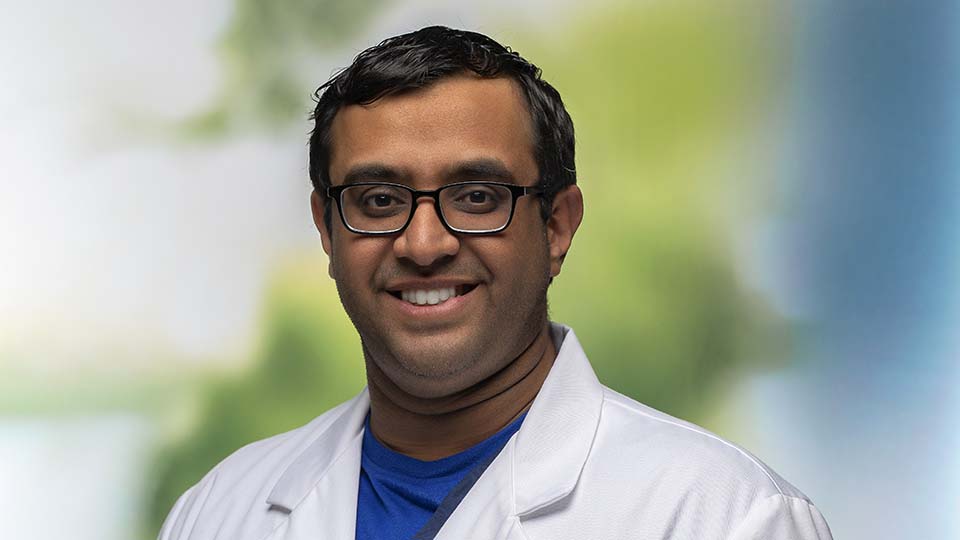
“Endoscopy has a myriad of uses: It expands from simple diagnostic tools to therapeutic procedures. Or maybe both. In some cases, you can find a problem and relieve the problem immediately,” says Dr. Veeral Oza, a gastroenterologist and interventional endoscopist with Bon Secours – St. Francis Gastroenterology. During the minimally invasive procedures, doctors insert a scope—a flexible, tube-like instrument with a light and a video camera on the end—into the body via the mouth (for endoscopies) or the rectum (for colonoscopies).
The images they see of your digestive tract, colon, and other organs on a video screen can help them find cancerous masses and other diseases such as ulcers or pancreatitis. In some cases, the scope can help determine a cancer’s stage, and additional instruments can collect tissue samples for biopsies and other tests.
“In many cases, say if someone has stomach cancer or esophageal cancer, doing an endoscopy and a biopsy of that cancer is the easiest way to get to that mass and get a diagnosis,” Oza says. The gathered information can help oncologists and surgeons decide the first course of treatment, whether that’s chemotherapy or surgery to remove a tumor.
Colonoscopies screen for colon cancer, which is the nation’s second leading cause of cancer death. March is Colon Cancer Awareness Month, a designation meant to increase awareness of the disease and the importance of getting routine colonoscopies starting at age 45.
“While the prep is unpleasant, it shouldn’t stop you from having a colonoscopy,” Oza says. That’s because most colon cancers start as polyps, which
doctors can remove during the procedure. “That’s where colonoscopy is the most beneficial: Finding that polyp and taking it out.”
Therapeutic endoscopies can bring immediate relief to some conditions’ symptoms, such as finding a bleeding ulcer and treating it “through the scope by putting a clip on it or putting medicines on it to stop the bleeding,” Oza said. “In some of these therapeutic procedures, people can get real benefits very quickly,” he added.
While referrals for endoscopic procedures usually start with your primary care doctor, Bon Secours St. Francis has a team of gastroenterologists, colorectal surgeons, general surgeons, and oncologists ready to treat your digestive issues. For more information or to find a doctor, visit Bon Secours — St. Francis Gastroenterology at bonsecours.com.