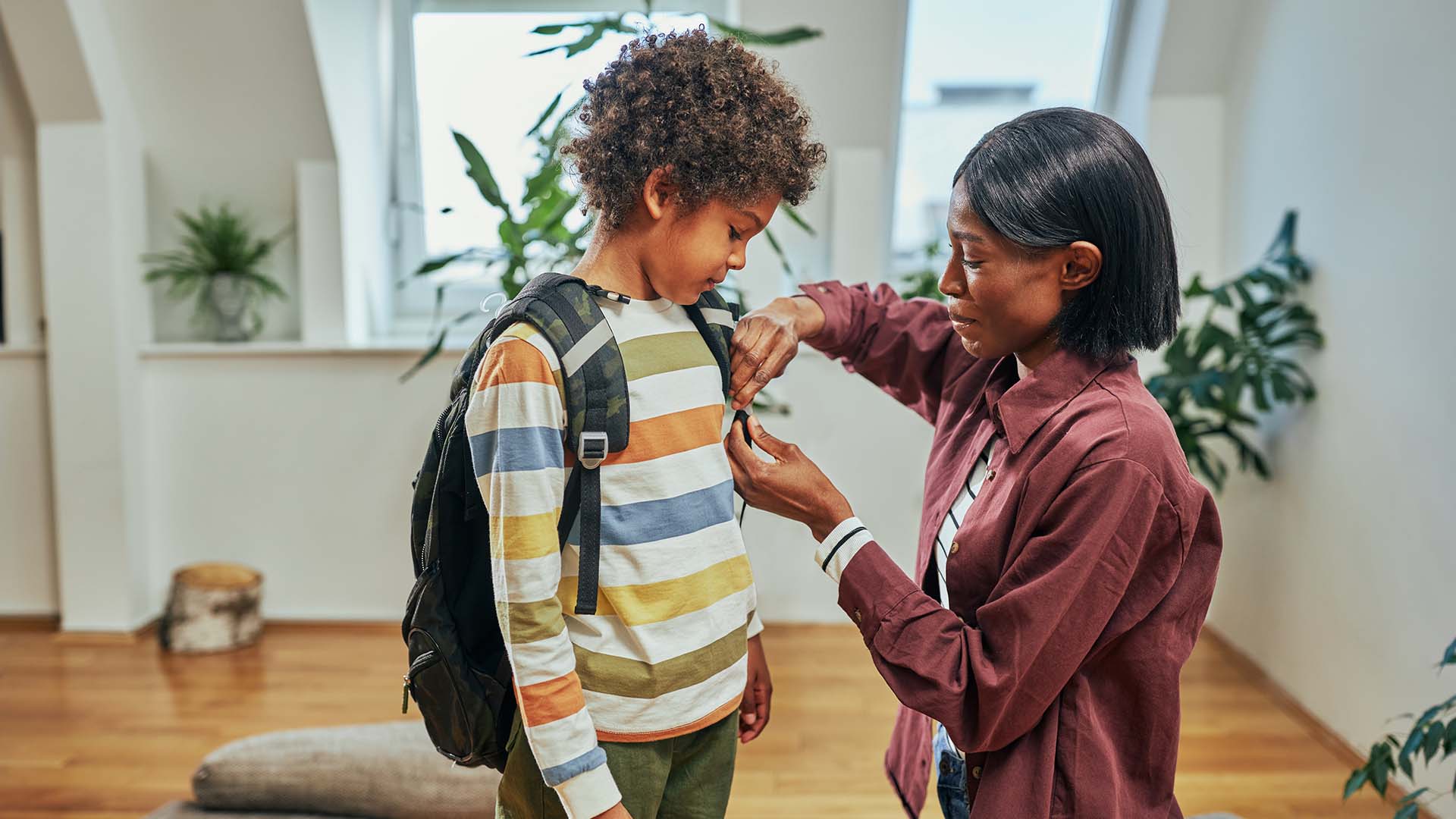
Make health a priority as the new school year begins
As the start of school quickly approaches, parents and guardians have extensive to-do lists to ensure their children are ready for the new academic year: buying new supplies, completing paperwork, meeting teachers, and arranging extracurricular activities.
Back-to-school preparations should also include addressing any medical needs. From scheduling well-child exams and sports physicals to getting necessary vaccines and planning for proper nutrition and adequate sleep, a few simple steps will help your child stay healthy in the classroom.
First, schedule an annual physical if your child has not had one yet this year. This will help you determine if your child is healthy, growing properly, and eating and sleeping well. Your pediatrician can also check hearing and vision to ensure there are no barriers to learning.

Whether your child is just starting kindergarten or simply moving up a grade, “you want to make sure they’re up-to-date on all their immunizations,” says Abby E. Meagher, APRN-CNP, a primary care and family medicine nurse practitioner at Bon Secours Legacy Early College Health Center.
This includes the vaccines for diphtheria, tetanus, pertussis (DTaP), MMR, varicella (chickenpox), and polio for kindergarten and school-aged children. High school students and especially graduates entering their first year of college will need the meningococcal vaccines (there are two; usually, children get the first vaccine at age 11 or 12 years and a booster shot at age 16 or before college).
During the appointment, you can also ensure that if your child has “any allergies or other medical conditions, those are well-managed, and you’ve organized medicines for the school nurse, such as inhalers or EpiPens,” Meagher says. “Any safety concerns could also be discussed, along with any anticipatory guidance, like what to expect in the year to come.”
Germs often spread as kids return to school, which means they could come home with a cold, stomach flu, or another virus within the school year’s first few weeks. Meagher says acetaminophen, ibuprofen, saline nasal spray, an antihistamine, and over-the-counter cold medicines are “good to have on hand” in case they get sick.
“Strep throat is also a common childhood illness, and later in the season, there’s more flu and now RSV, particularly in younger children,” she says, adding that kids should get a yearly flu shot when it becomes available in September or October.
Besides vaccines, regular hand washing is vital to illness prevention. Meagher says kids will also build their immunity with a consistent sleep schedule and a balanced diet with fruits and vegetables, hydration, and exercise.
“Talk with your kids about what they can do to prevent the spread of germs,” she says.
Lastly, you can help your kids have a happy and successful school year by being “open with them about any anxieties or worries they have. This will help them be prepared and reassured that you’re there to support them,” Meagher says.
Many of Bon Secours’ primary care and family medicine providers are accepting new patients. To see a list, visit the Find a Doctor website at bonsecours.com/find-a-doctor. You can narrow your search by zip code, accepted insurance plans, and more.