Bon Secours St. Francis launches new breast care program
“You have breast cancer” are four words no woman wants to hear.
That trepidation is understandable: Breast cancer is the most common cancer in US women, except for skin cancers, according to the American Cancer Society.
Getting comprehensive care can help alleviate some of the fear that comes with a cancer diagnosis or breast health concern. To provide that to Upstate patients, Bon Secours St. Francis’s new comprehensive breast program brings together the latest technologies, a multi-disciplinary team approach, and a patient-centered focus.
“We want to embrace patients and offer help at all levels of breast disease,” says Dr. Jennifer Beatty, an American Osteopathic Board of Surgery-certified breast surgeon and the program’s medical director. “I believe patients should be empowered to understand their diagnosis, and that allows them to help choose their treatment.”
Operating from the Comprehensive Breast Clinic at the St. Francis Eastside campus, the program now integrates the Pearlie Harris Center for Breast Health’s screening, diagnostic, and support services and the Bon Secours St. Francis Cancer Center’s surgery and oncology services (it also has a new surgical suite for minimally invasive procedures).
The aim is providing a full spectrum of care, from screening, diagnosis, treatment, and survivorship of breast cancer to the diagnosis and treatment of other issues such as “breast pain, non-cancerous breast masses, and any other breast disorders, ranging from nipple fistula, abscesses, and drainage to breast masses in young women, and everything in between,” Beatty says.
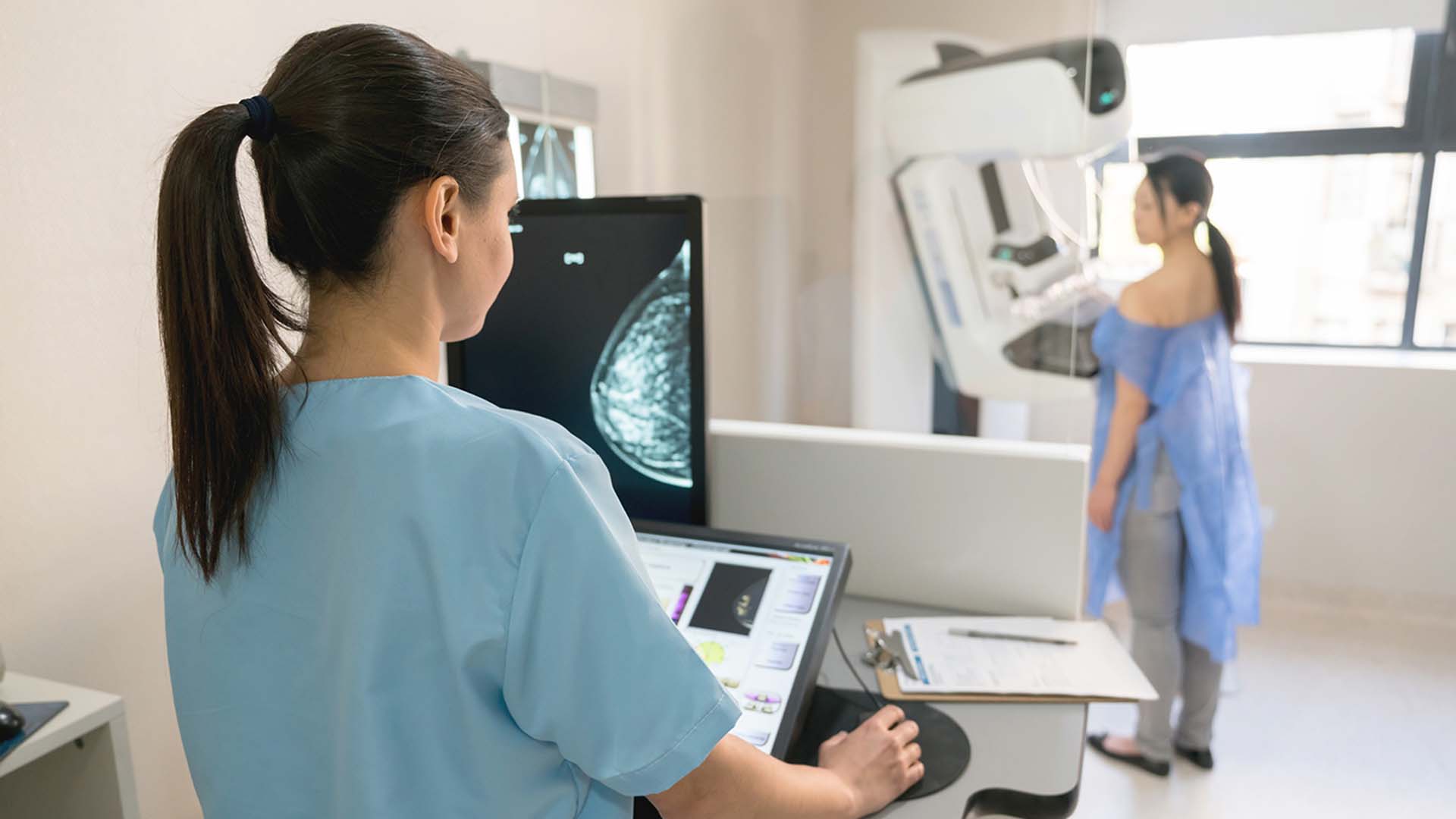
Early detection efforts include operating two mobile units that offer mammography at businesses and community centers. “You can enter one without having an order, and if there’s something abnormal, we’re able to catch it,” Beatty says, adding that Pearlie Harris’ staff also does “an excellent job getting people in who don’t have doctors for mammograms. We don’t want to miss patients who don’t have that support system.”
For high-risk patients, the program’s cancer prevention and early detection protocols include gene testing, vitamin D-level checks, mammograms, and MRIs. Alternating those screenings every six months “allows cancer to be diagnosed at stage 1, which has a higher survival rate than stage 3,” Beatty says.
Cancer patients have a team of medical professionals who are “always talking and working with them,” Beatty says, from the radiologists and navigators who review and share biopsy results and order MRIs to the breast surgeons and oncologists overseeing treatments.
The program “works with plastics because symmetry is very important for patients,” says Beatty, who has certifications in oncoplastic surgery, Hidden Scar™ techniques, and laser treatments, and is licensed in oncology nutrition. It also provides physical therapy for anyone who experiences lipedema in their arms or restricted movement post-treatment.
The survivorship component includes breast imaging, visits with oncology for the first two to five years, guidance about lifestyle choices, and listening to women’s concerns about how breast cancer may have changed their physical appearance.
“Survival is one of the most difficult things to happen. When getting cancer treatment, you have a plan and a schedule, and you follow it,” Beatty says. “But we know survivorship goes up by 50 percent with lifestyle changes after a diagnosis.”
For more about Bon Secours St. Francis’s Comprehensive Breast Program, visit bonsecours.com/about-us/news/greenville/2025/bon-secours-st-francis-launches-comprehensive-breast-program.