
From traditional to modern, there’s no wrong way to wear a diamond
So, you’ve found the love of your life. One may think the toughest challenge is over. But no. Frequently, the next step involves finding the perfect ring to symbolize that love. When sinking an average $5,000–$25,000 into a lone piece of jewelry, peace of mind comes with knowing it’s “perfect.” But there are so many styles! What’s a couple to do?
Newlywed Kristen Satterfield will always remember the first time she and her now-husband, Chandler, went ring shopping. “Oh my goodness, the options are overwhelming,” she recalls. “You kind of have to find a way to narrow it down. Luckily, I am decisive. I either love or hate something. As we went through the process, my main thought was, I don’t want to look back when I’m 60 or 70 and think my ring was too trendy and wish I’d chosen something different.”
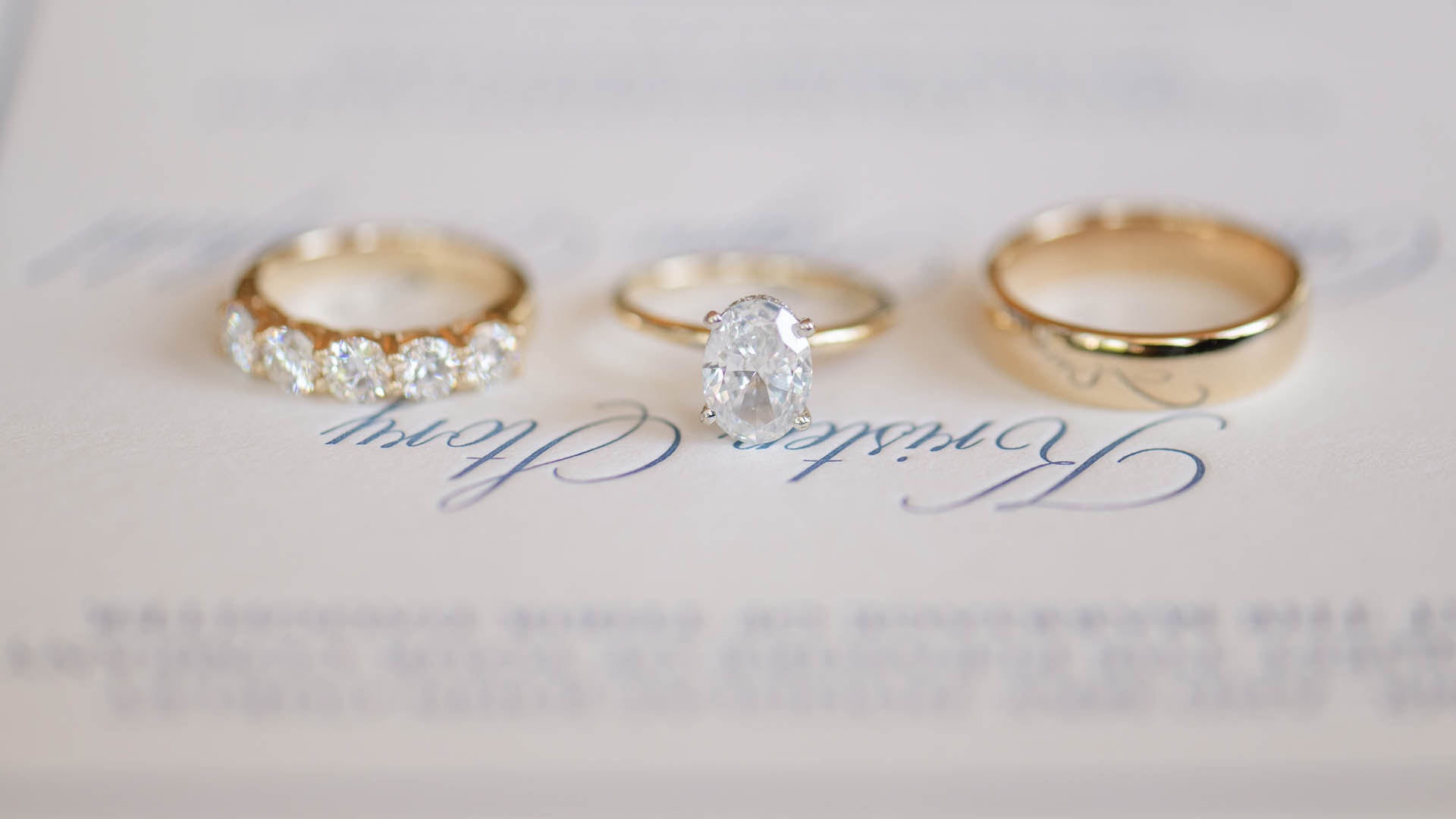
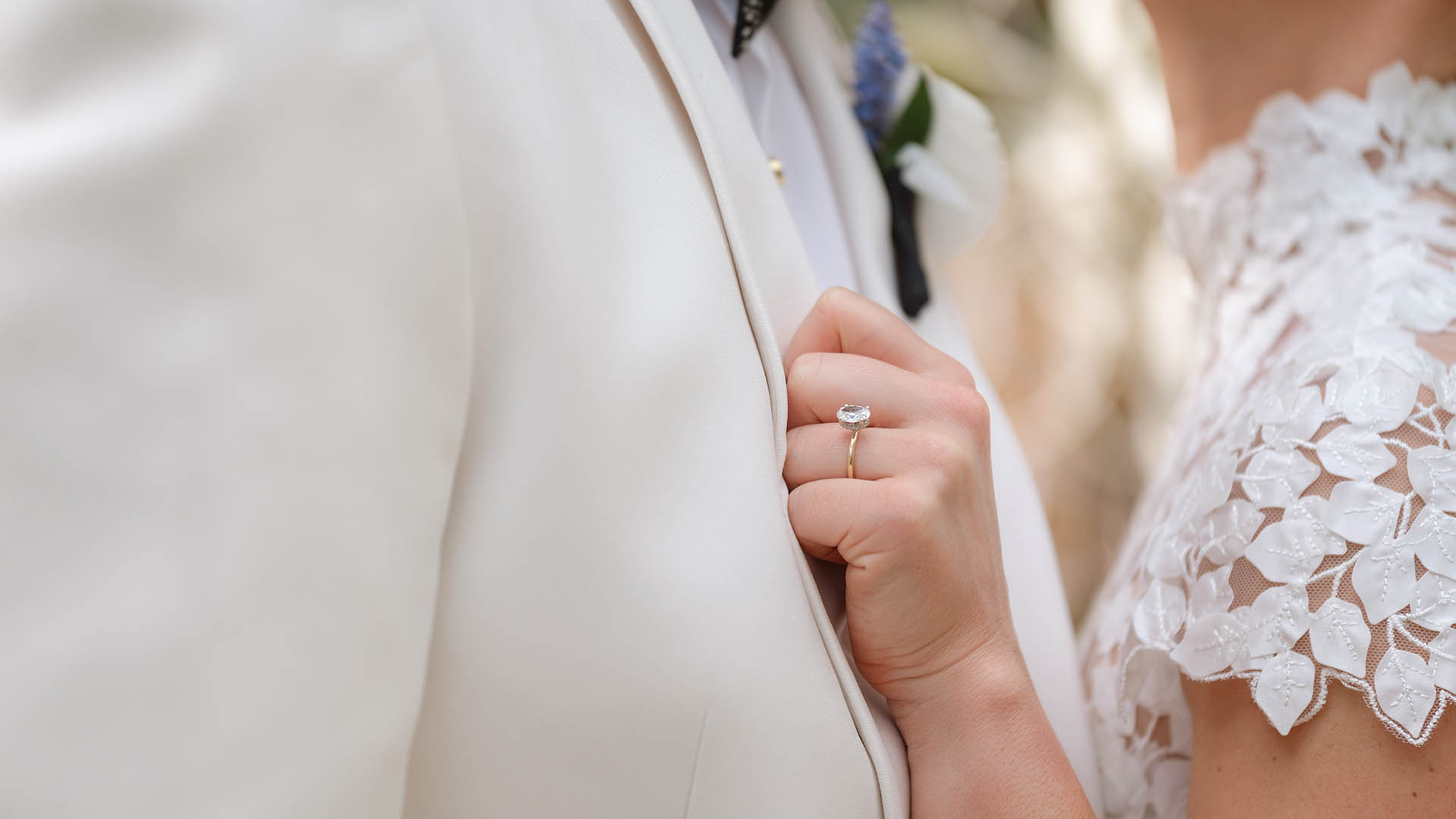
Three months later, Chandler got down on one knee holding a brilliant oval solitaire with a hidden diamond halo, set in yellow gold. The beaming bride admires the piece, saying, “The oval is a classic cut and the presentation elongates my finger. This will be an heirloom piece. I just love it.”
Old is New Again
 From the helm of Julie’s Jewels & Gifts, longtime local jeweler Julie Brashier has watched a number of trends come and go and come back again. “Some of my customers bought yellow gold in the ’80s, switched their rings to white gold about 20 years ago, and are now switching back again. Their husbands are about to have a stroke,” she shares with a laugh.
Southern and a traditionalist, Brashier admits there’s no right or wrong in selecting a ring. “It’s about what you like and your personal preference,” she explains. “What’s pleasing when you put it on your finger? I always recommend young ladies try them all on until they find what they like.” Her shop includes the classics and current styles. “If you want that whimsical, different look, build it in a way that you will always have something to work with,” she advises. “You’re going to change in the next five to ten years; get something that is going to grow the way you’re growing.”
Today’s Diamond Trends
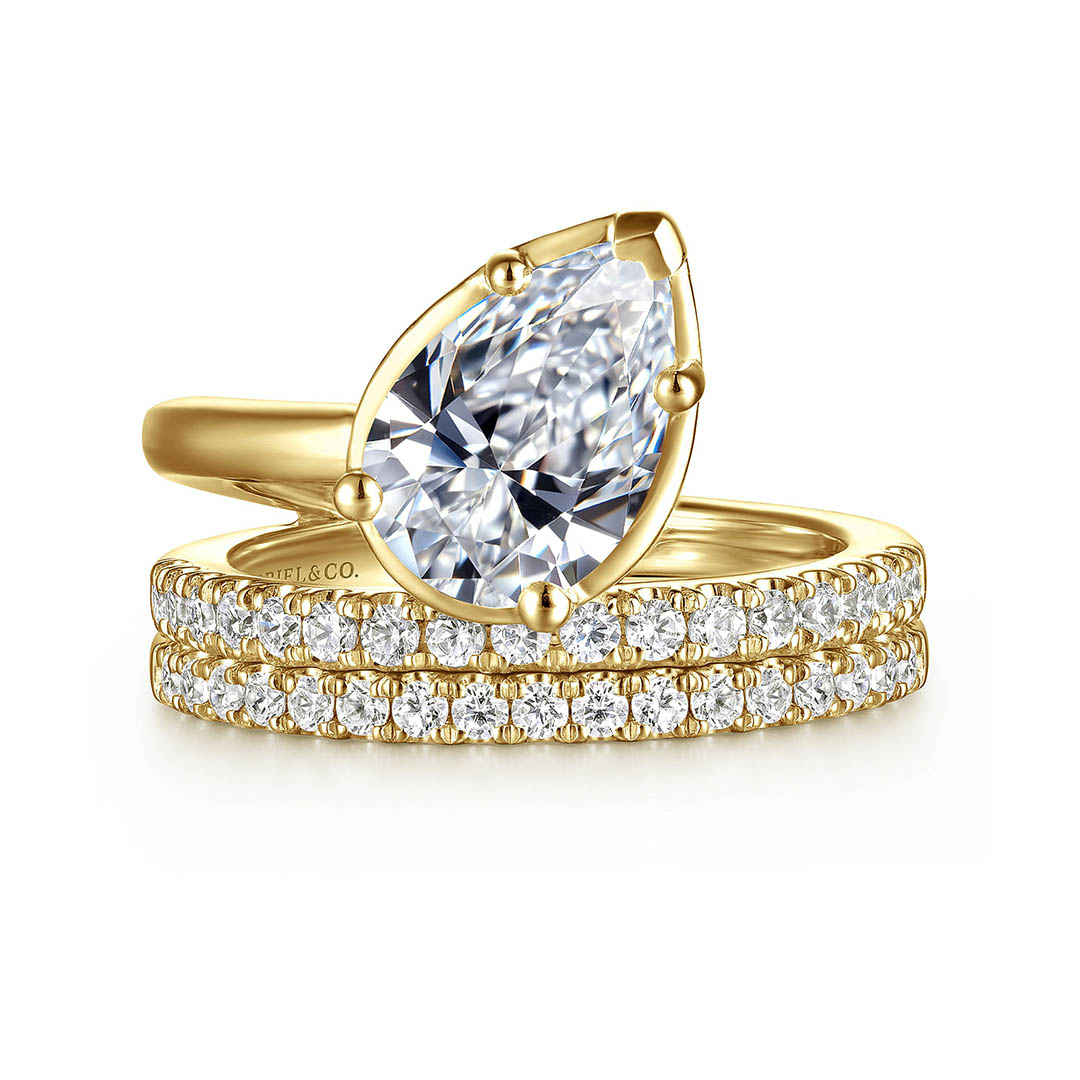 Shannon Waters is preparing to celebrate Hale’s Jewelers’ 170th anniversary in Greenville. The Hale’s vice president estimates they have 500 engagement rings in the shop on any given day and sell about 100 a month. “Bezel settings [a band of metal securing a gemstone] are definitely trending right now,” she says. “More modern pieces that are unusual are also trending.”
Halos, a series of small diamonds surrounding a dazzling sparkler, have been very popular in recent years, and are now giving way to hidden halos. Only by looking at the ring’s profile can you spy a set of smaller stones below the primary diamond, embellishing the setting while creating a peek-a-boo pop. Side-by-side stones catch the eye of those not seeking symmetry. As for cut of stones, round solitaires reign as the queen of tradition, while longer stones, like oval and emerald cuts, gain popularity. Marquise, created in the 1700s to mimic the lips of the lover of Louis XV, are making a strong comeback after years of quiet slumber in the jewelry box.
No matter the color, shape, or size, Waters seeks emotion. “The most important component is love,” she says. “Understanding your partner, and that element of surprise when you manage to pull something off without them knowing about it, so it’s a complete surprise? That element is invigorating and will guarantee it’s something the person will wear and love forever.” 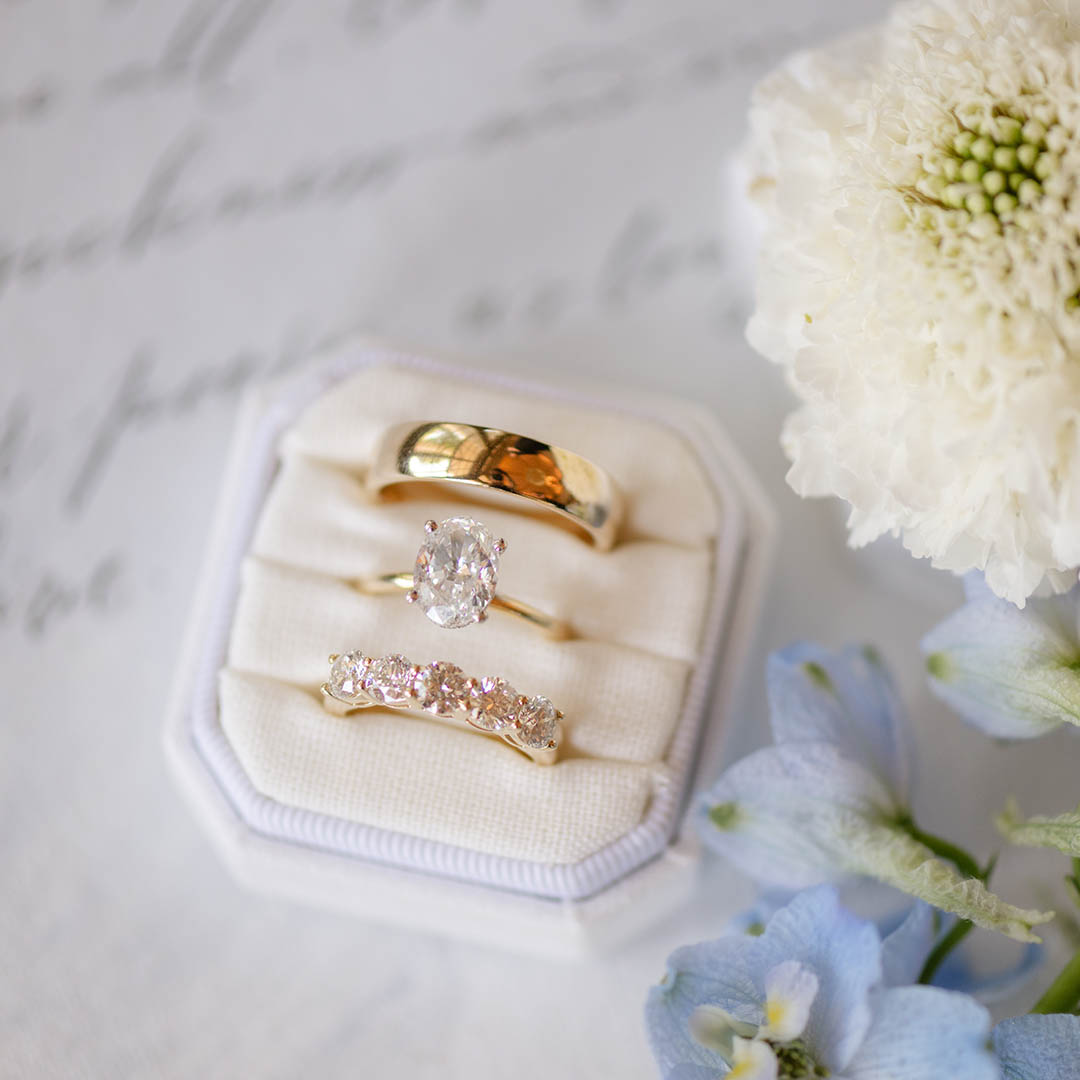
Advice from the Pros
- Think about the wedding band when purchasing your engagement ring, as the latter’s setting may limit bands if they’re to sit flush against each other.
- Consider when and where will you wear your ring. Healthcare workers often find it easier to wear rings with a smooth bezel setting under their gloves. Super-pointy stones can scratch children and catch on things.
- Use family stones. It’s always better to reset sentimental heirloom pieces than hide them away because of old-fashioned settings that don’t match your style.


