
Nature-centered “agrihoods” promote sustainability, community, and access to fresh food
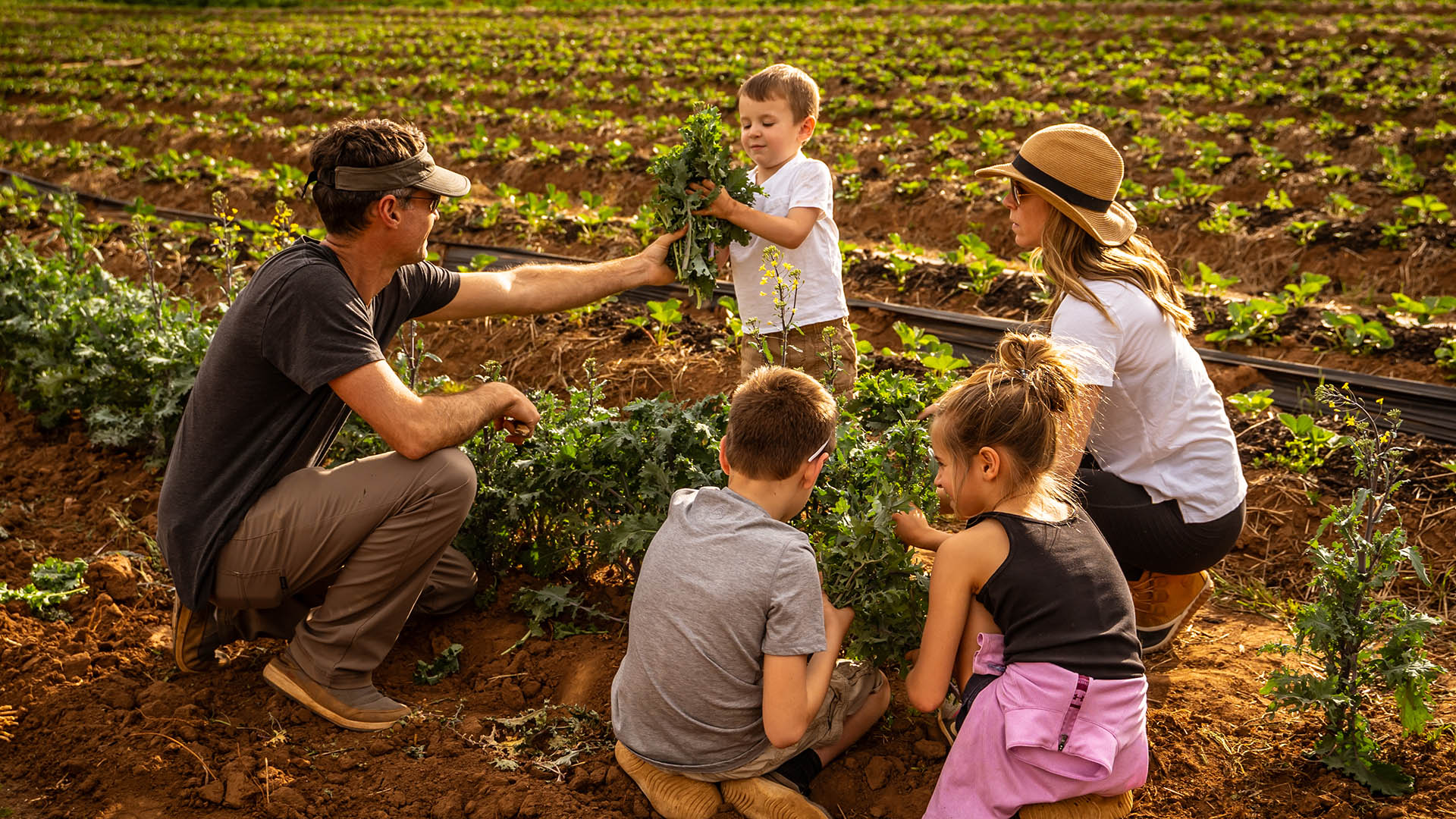
Sustainable, natural, collaborative: these aren’t just catchy buzzwords to describe a new trend—they’re the actual lived values of residents who choose to live in “agrihoods.” These master planned communities integrate agriculture into residential neighborhoods with the purpose of facilitating food production and providing green space, recreation, and aesthetics to the community. It’s both a new and ancient concept: new to our modern society, but reminiscent of the tribes and villages in which our long-ago ancestors lived.
In the Carolinas, there are three main agrihoods leading the charge in the agrihood movement: Olivette in Asheville, NC; Kiawah River in Charleston, SC; and Riverstead in Marietta, SC.
Encompassing large plots of land (which are allocated judiciously, leaving plenty of undeveloped acreage to enjoy), these communities are centered on hyper-local, farm-to-table food sourcing.
Community Supported Agriculture
 Situated on over 400 acres of land (250 of which are dedicated to nature conservation), Riverstead is a self-proclaimed “resilient living” community.
“We wanted residents to have fresh, locally sourced food, and to be able to have a hand in growing it and knowing what they were eating,” says Lucas Anthony, Riverstead’s real estate developer-turned-resident.
Anthony and his team invested heavily in agricultural amenities, building up all the necessary infrastructure like adding irrigation, purchasing a tractor, amending the soils, constructing greenhouses, and building a barn.
“We built the machine and then handed it over to the HOA,” Anthony says.
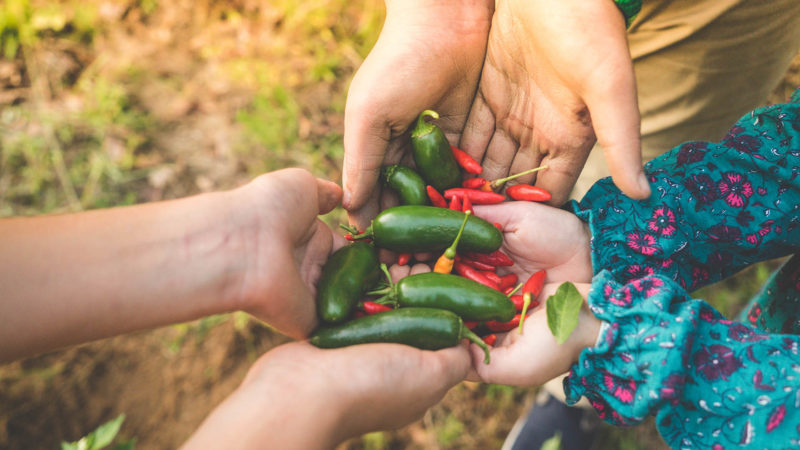
The HOA then interviewed a group of farmers and selected a qualified farmer to be the tenant. He “leases” the land from them for $1 a year and plants what the committee asks him to grow, plus additional surplus crops that he can sell to outside local vendors. Residents get first dibs, though, and they are able to purchase the fresh produce at wholesale pricing.
While the tenant farmer does 85 percent of the work, residents pitch in for the other 15 percent, volunteering their time and energy, particularly during the harvest season when more labor is needed.
Essentially, it’s Community Supported Agriculture (CSA), but with a much heavier emphasis on community (compared to more traditional, widespread programs). Both Olivette and Kiawah River have similar models, where residents purchase shares at the beginning of the growing season and reap the delicious benefits come harvest time.
Olivette operates a four-season organic farm that employs sustainable agriculture techniques such as planting cover crops. During the colder months, seeds are propagated in greenhouses and made ready for transplanting in the spring and summer.
Kiawah River’s offerings are a bit more robust, expanding beyond crops to include a cattle farm, a “goatery” for dairy production (and goat yoga!), a cut-flower operation, beehives, and more.
It Takes a Village to Cultivate Agrihoods
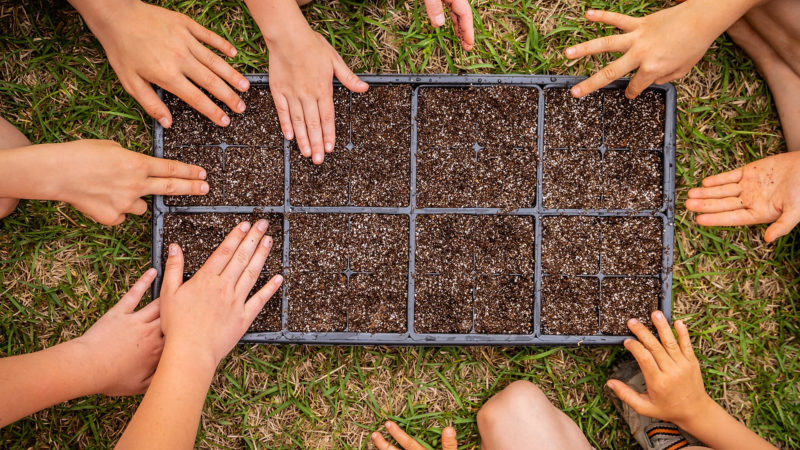 These agrihoods encourage resident involvement, as it helps create a more bonded sense of community and belonging. At Riverstead, for example, everyone pitches in when there’s work to be done, and each person shares their unique talents and gifts for the betterment of the whole community. Residents regularly participate in “work days,” which include working on the farm but also encompass other projects like gathering firewood from fallen trees, cleaning out the chicken coop, or putting up new fences.
The folks who live at Riverstead intentionally create the community they desire, not just by working together but by gathering for leisure and education, too.
During the fall, for example, there’s a First Friday potluck at the open-air pavilion. There are also Oktoberfest celebrations, plus a big Thanksgiving dinner to which everyone contributes.
Residents also donate their time and talents for occasional workshops, teaching skills like canning and mushroom inoculation.
Along the French Broad River, Olivette hosts farm-to-table dinners for its residents. It’s also the venue for one of Asheville’s annual fall events, CiderFest NC, featuring live music and food, drinks, and workshops, from multiple local producers, makers, and vendors.
Kiawah River’s residents, meanwhile, find themselves interacting more with the community’s expansive waterfront, engaging in fishing and crabbing excursions—not to mention the plentiful outdoor recreation activities like kayaking, paddleboarding, and wildlife watching.
Despite the differences in location and amenities, all three of these Carolinas-based agrihoods share an appreciation for nature, community and—above all else—access to fresh, homegrown food.
Kiawah River, 3883 Betsy Kerrison Pkwy, Johns Island, SC. (843) 973-8600, kiawahriver.com
Olivette Riverside Community & Farm, 172 Old Macedonia Rd, Asheville, NC. (828) 407-0040, olivettenc.com
Riverstead, 310 Freeman Bridge Rd, Marietta. (864) 860-2488, riverstead.com
Photography courtesy of Riverstead.


