
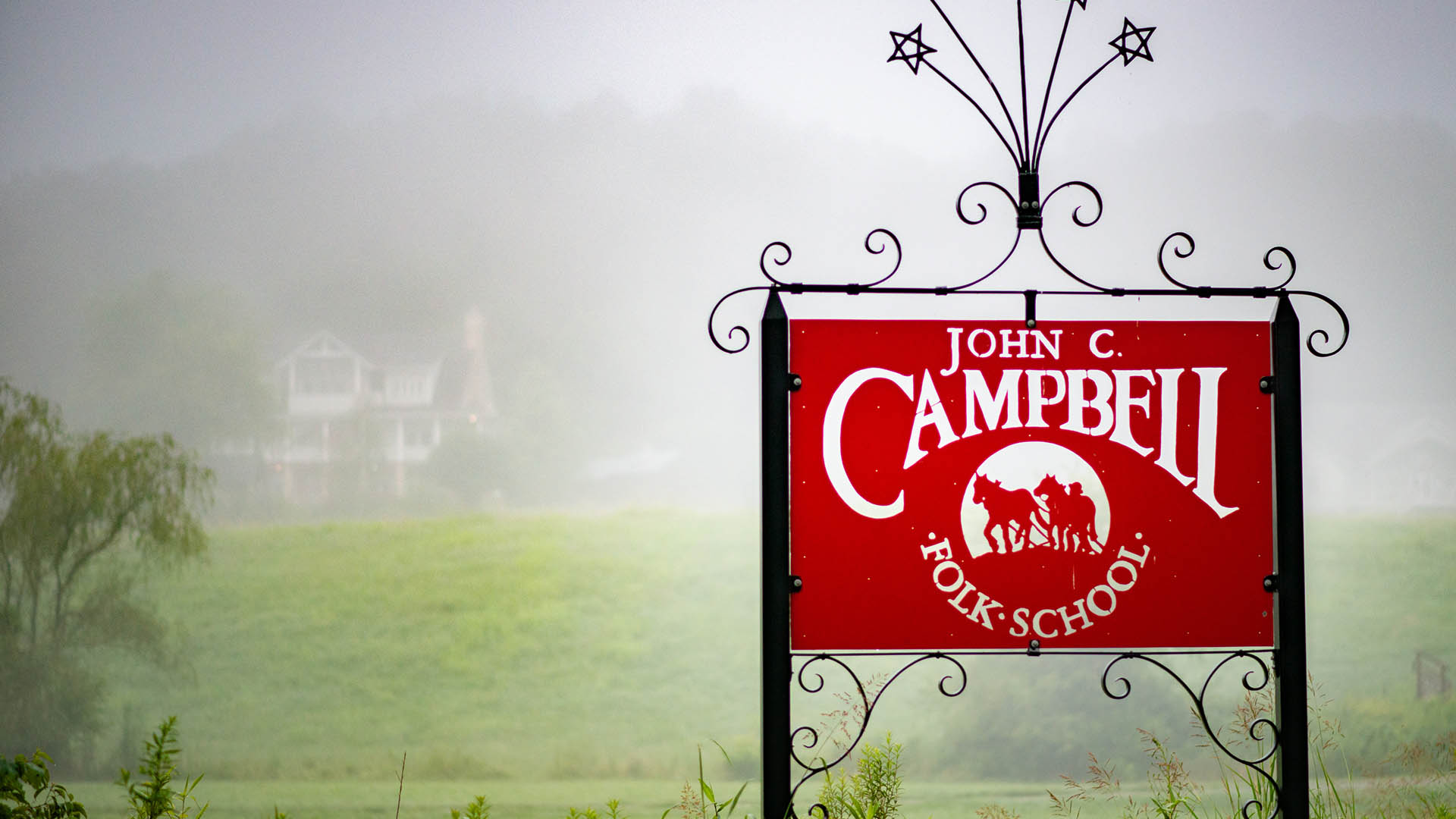
The John C. Campbell Folk School is a place to learn something new
There are many mantras at the John C. Campbell Folk School, including “We Still Make Things,” but the one that really cuts to the chase is “We’re Not an Art School.” It seems strange because th. Anyone can learn a skill with instruction, patience, practice, and community. Craft is the pursuit of making useful things, and the Folk School, with its educational getaways, gets excitable about utility.
Going to The Folk School is a gift of time, whether for yourself or with someone else. A weeklong class, or even a weekend one, is an invitation for time away, time together, time in nature, time to concentrate on one pursuit. It is non-competitive adult education, following the rural Danish tradition of folkehøjskoles. These schools believe lifelong learning is critical.
Founded in 1925, the John C. Campbell Folk School began as a farm school. The campus lies close to the Appalachian Trail in Brasstown, and the bundle of historic buildings, now studios, could be described as a hamlet or a picturesque village. In the early days, a dozen or so students would board at the Folk School for up to nine months to learn modern farming techniques and crafts like carving or weaving that could supplement lean times.
Today, thousands of adult students attend weeklong or weekend classes at the Folk School. Attendees still board, and there are many housing options to choose from: campsites, RV sites, dormitories, shared cabins, private lodging, and even a LEED-certified eco-lodge. Everyone shares meals in the Olive Dame Campbell Dining Hall which resembles an Appalachian version of Hogwarts. Much of the produce comes from what the Folk School calls “the garden,” but to first-time visitors, it’s a beautiful organic farm with state-of-the-art composting.
 Instructors are world-class in their fields, and 17 studios provide a litany of options. Pottery is incredibly popular, as is any woodworking and ironworking class, including blacksmithing. There are cooking classes teaching students how to make everything from bread to pickles to charcuterie. Faculty accept only a simple honorarium, but there’s a waitlist to teach. Studio advisors lead several classes a year, live locally, and make sure studios are fully equipped and supplied for their subjects and students.
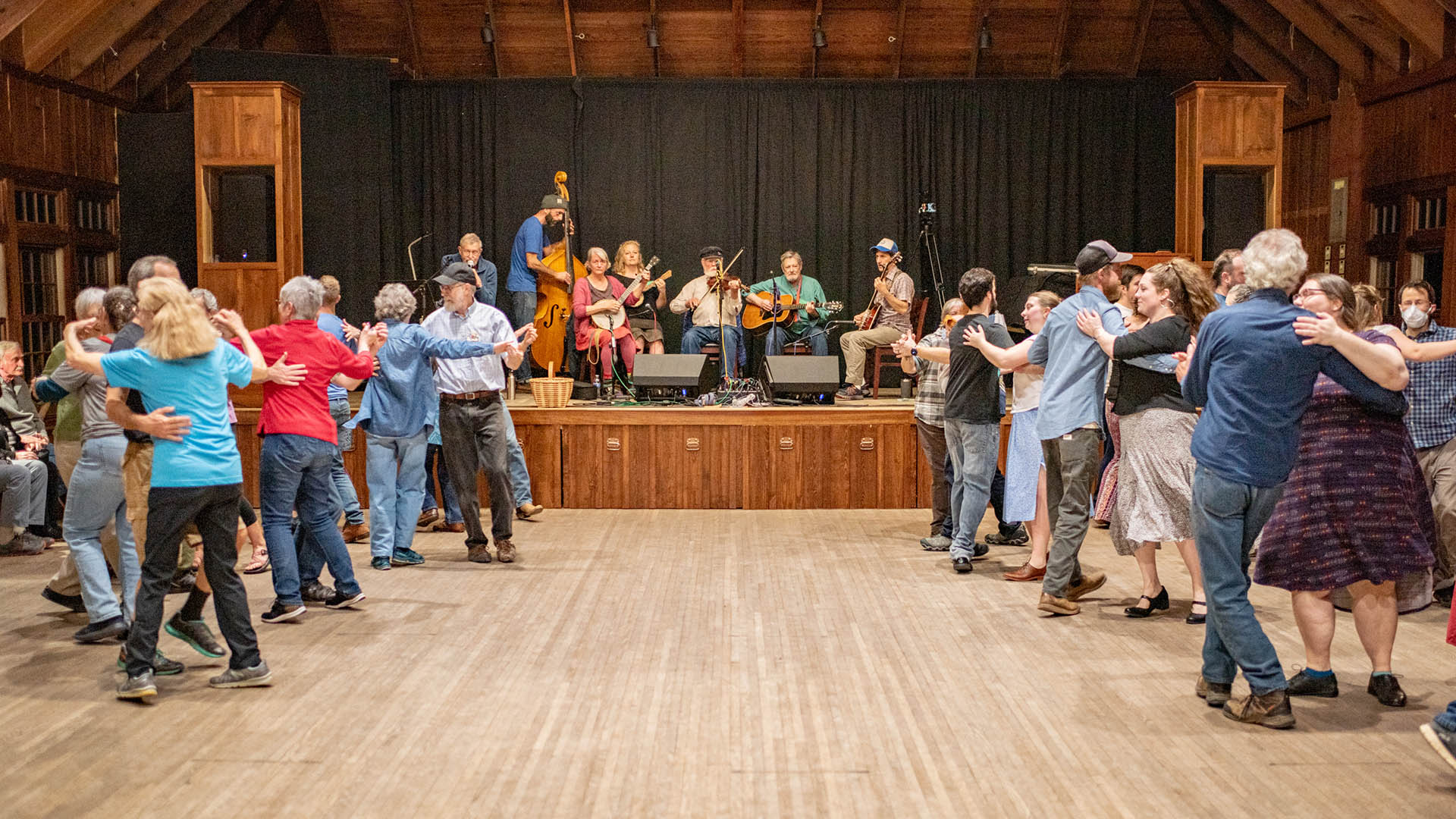
Mornings and evenings are special at the Folk School. Days begin with a walk around the grounds, followed by Morning Song: coffee and music in the main hall for 45 minutes featuring instructors, staffers, and locals before breakfast. There’s yoga in the late afternoon, open studio nights, square dances, and contra. There’s often bluegrass in the Concert Barn. The campus feels the farthest west you can go in North Carolina, and the area is beautifully rural.
If you think you’d like to visit before you sign up for a class, the campus is open to the public and is a delightful outing if you’re in the area. An award-winning gift shop offers handmade goods of more than 150 pro crafters. If you touch base ahead of time, you can sign up to join the enrollment for lunch.
 The John C. Campbell Folk School catalog is nearly overwhelming but cleverly organized by both subject and date. Any day is a good day to be at The Folk School, but these upcoming classes feel special.
Little Red Wagon
Part of “Holiday in the Mountains” week, this woodworking class with Darren Stevens includes learning to mill lumber to create a traditional red wagon, aka your next family heirloom. December 3–9.
Leather and Music
Part of the Folk School’s annual “Long Weekend,” this multi-studio class teaches students to craft ornate leather straps for instruments with Angelina Elise. Students then explore the theories of playing together with Ben Townsend. November 29–December 2.
One Hundred Years of Good Food (subhead)
Part of “Roots of the Folk School” week, this hands-on class includes jams and breads, cooking over the open hearth, and lots of farm-fresh Appalachian fare, taught by the founder of the culinary program, Nanette Davidson. March 3–9.
For more information, go to folkschool.org.


