

For 25 years, geocachers in the Upstate and beyond have been exploring the wonders hidden in plain sight
Where were you on Blue Switch Day—an event 25 years ago that launched a hobby enjoyed today by millions of people around the globe?
On May 2, 2000, anybody with a global positioning system (GPS) device could tell you exactly where they were, citing latitude and longitude, within about five meters.
When the US Department of Defense threw the blue switch that removed selective accuracy restrictions from satellite navigation systems 25 years ago, civilians with consumer GPS devices could land on locations just as precisely as the military had been able to do for years. Now that it was easier to find things, it was time to hide some things.
On May 3, 2000, Dave Ulmer of Beavercreek, Oregon, placed a cache at 45°17.460′N 122°24.800′W, where a memorial plaque now sits, and posted the coordinates on a Usenet newsgroup. Within three days, the cache—a five-gallon bucket containing, among other things, a can of beans—had been found twice, and a new, satellite-powered pastime was born, reports Larry Easler, co-founder of the Upstate South Carolina Geocaching Association (USCGA).
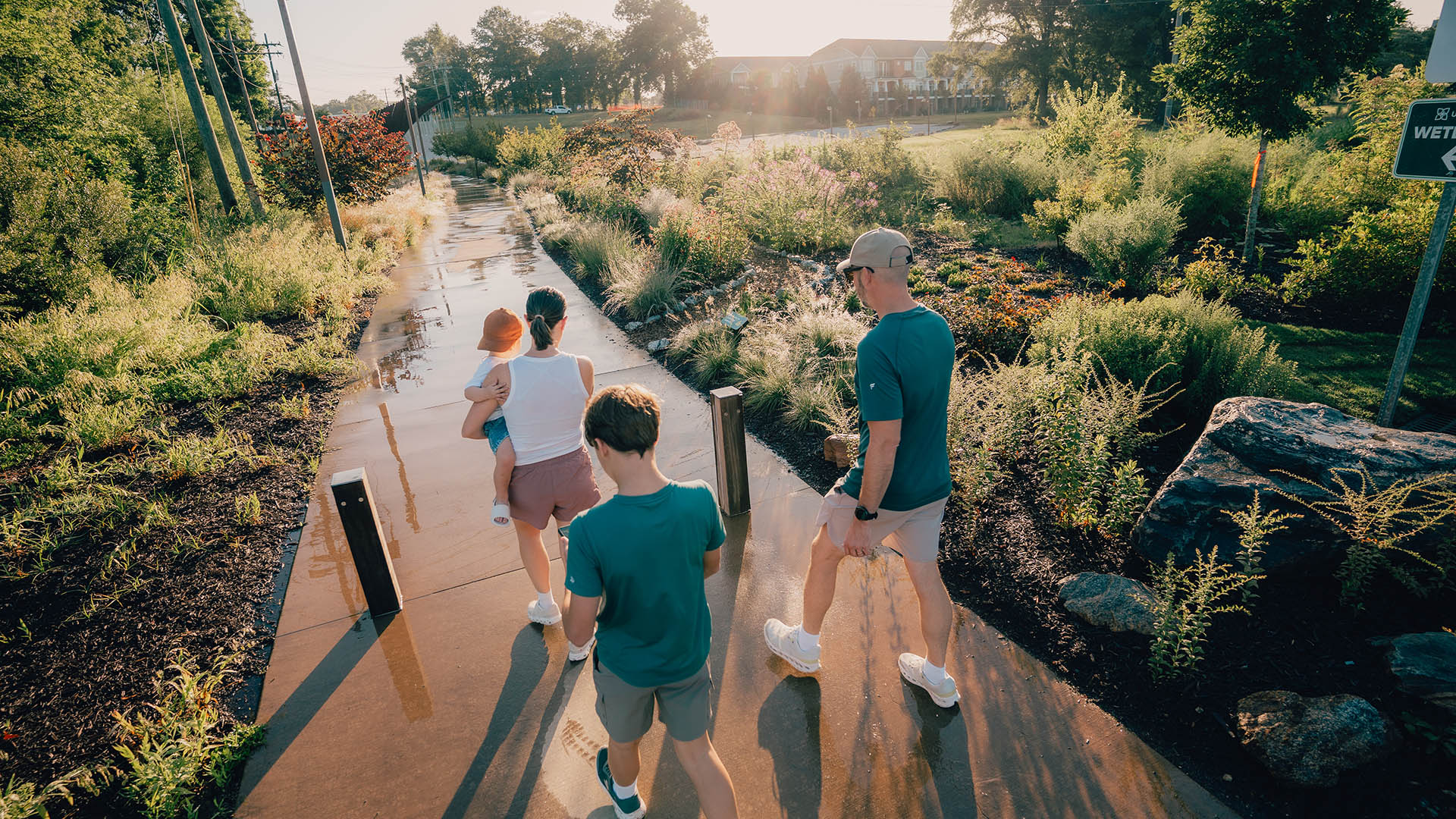 “It’s an outdoor high-tech scavenger hunt,” says Easler, who, along with his wife, has been an active cacher for nearly 20 years. “It’s happening all the time, all around the world.”
Most caches consist of a weatherproof container—as small as a film canister or a magnetic key holder or as big as an ammo box—containing a log sheet to be signed and dated by whomever finds it. Cachers also sometimes include little trinkets or souvenirs for trading.
And, of course, there’s an app for that; the Geocaching app for Android or iPhone is a popular choice. The app can guide you to within a few feet of caches near you and show hints for finding them.
“A cache can’t be buried,” says Easler. “That’s cardinal rule number one. But it could be something cleverly disguised or hidden in such a way that the average passerby wouldn’t give it a second glance.”
Simply finding the cache’s location may not be enough. Some caches require you to solve a puzzle or bring special equipment to claim the find. That information is found on the app, which also shows how accessible the terrain around the cache is. While many are easy to get to, some are more challenging, requiring long hikes or special equipment.
“One of the oldest caches that’s still active is at Lake Lanier, and it’s only accessible by boat,” Easler says. “That’s how I wound up having two kayaks, specifically for hiding and locating caches.”
Once you’ve found the cache, sign the log, trade a trinket for something of equal or greater value, and—another cardinal rule—put it right back where you found it for the next seeker. Enter your find on the app or the Geocaching.com website, and then it’s on to the next cache.
You can find them almost anywhere. “If you go into almost any parking lot, chances are someone has hidden a container somewhere under a lamppost skirt,” Easler says, adding that there are multiple caches along the Prisma Health Swamp Rabbit Trail and in public parks in Greenville and Spartanburg.
But seasoned geocachers keep their eyes and apps open no matter where they go, taking the opportunity to get a closer look and learn more about their surroundings.
“There are millions of caches around the world now,” says Easler, who has found them as far away as Bermuda and the town of North Pole, Alaska. “Some people are just numbers hounds, but we want to know, ‘Is this going to take us to someplace exceptional?’ There are places we would have never been if it weren’t for geocaching.”
The Geocacher’s Creed
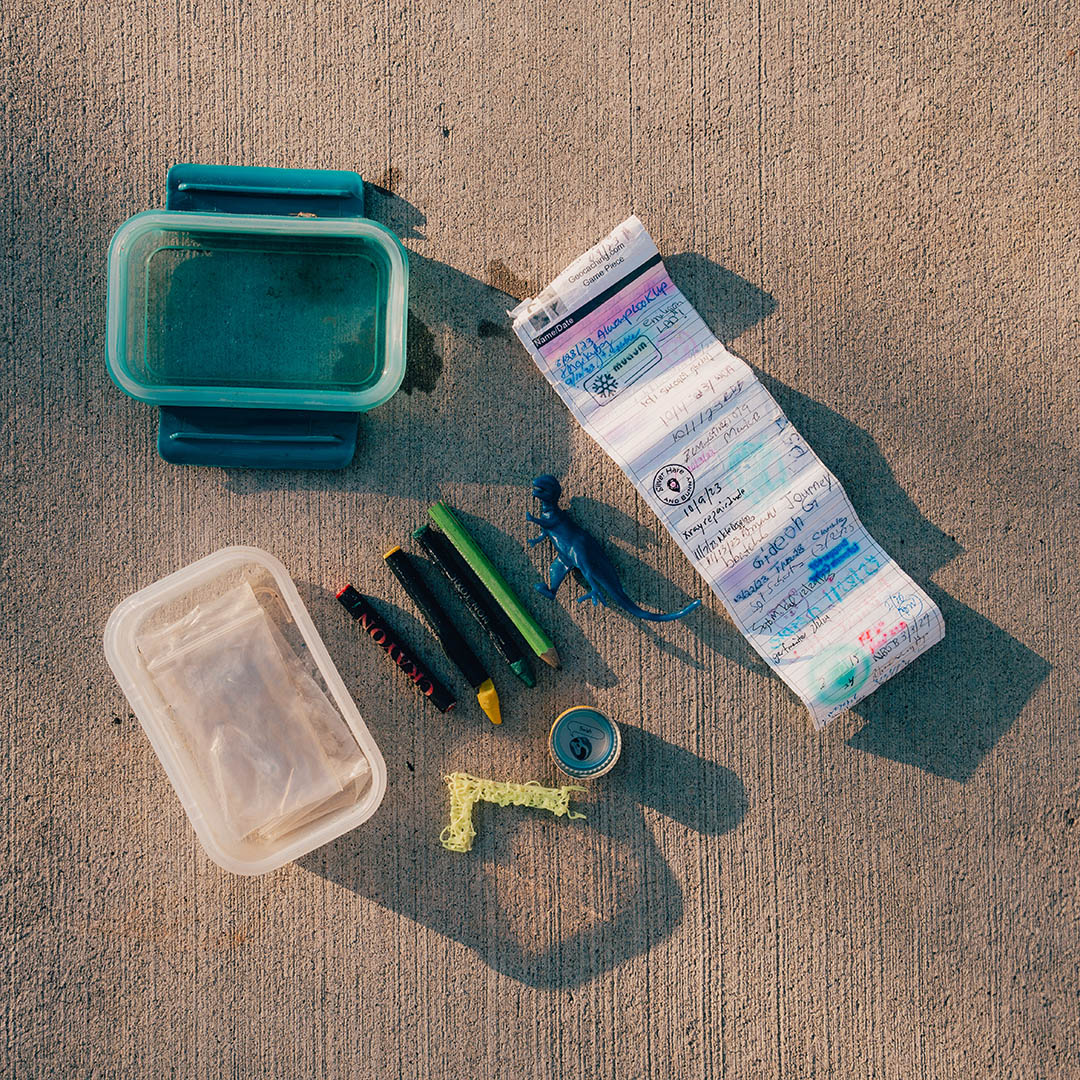 Geocaching.com, based in Seattle, Washington, is the largest geocaching site, providing the free app (with paid upgrades available) and maintaining the online GPS maps and logs. But geocaching remains a largely self-governed activity, with players adhering to the community ethos spelled out in the Geocachers’ Creed.
When placing or seeking geocaches, I will:
- Not endanger myself or others
- Observe all laws and rules of the area
- Respect property rights and seek permission where appropriate
- Avoid causing disruptions or public alarm
- Minimize my and others’ impact on the environment
- Be considerate of others
- Protect the integrity of the game pieces
Learn more at geocreed.info.


