

In 2015, as Greenville Center for the Creative Arts was opening its doors, Danielle Fontaine and Bill McLendon founded the Brandon Fellowship at GCCA to provide transformative opportunities for emerging artists. Each year, three to four young artists are selected for the 12-month program, which was named after historic Brandon Mill, now the site of GCCA.
With 30 artists who have completed the program and four more just getting started, participants say they are still reaping the benefits of the mentorship, studio space, and educational opportunities it provided. Most of all, they value the peer relationships they found through the program, and the network of alumni who are at various stages of their art careers.
We gathered six Brandon Fellows, including one from the first class and one from the newest, to discuss their experiences as emerging artists and how building relationships opened new doors for their creative pursuits.
Emerging Artists Q&A
TOWN: Was the Brandon Fellowship what you expected, or did it take you in surprising directions?
Kephira Davis: I didn’t expect to become a teacher through the fellowship. It wasn’t even in my headspace. I expected to gain more studio knowledge, and it really expanded from that. I was able to take the knowledge I got here and share it with my students.
Ashley Waller Rabanal: When I applied, I was looking for studio space to make an application portfolio for grad school, and I didn’t expect much beyond that. What was interesting in hindsight are the connections and relationships I built then that really opened the door for additional opportunities. Danielle (Fontaine) told me about a grant for grad school; my mentor Michael Marks hired me to teach at Anderson University after grad school.
Have you found Greenville to be a supportive place for artists, whether emerging or further along in your career?
Orlando Corona: It’s a super supportive community. My success has a lot to do with the people who supported me. The artists that are farther along in their career are willing to help you. They take the time to mentor you at no cost. In the Upstate, especially Greenville, there is so much energy toward the arts, and so much effort to make it a big part of the city. For emerging artists, it’s one of the best places.
Tripp Brown: It’s early in my career, but I’ve been so welcomed. Coming from Myrtle Beach, I didn’t have as many opportunities, but coming here, you are so immersed in art everywhere you turn. I’m not limited to one thing, and I’m able to fully express myself the way I want to express myself, and there are open arms from everyone.
RaAmen Stallings: A lot of people have this image of what an artist is, and that pressure they put on themselves about the defining attributes of an artist needs to be thrown out the window. Art is what you make it, quite literally. You create whatever definition, whatever world, whatever standard of art. As we focus on education here at GCCA, we are breaking down the stigma that art is just one way. That’s the beautiful part of it.
Founder Danielle Fontaine says a comment from Dr. Leo Twiggs planted the seed for the fellowship: ‘They will not come if they do not see themselves represented.’ Is that idea important to you?
Kephira Davis: It’s highly important. When you see yourself, you are able to reflect that on other people. It’s one of those things that can help solidify your calling and give you confidence to keep going. It can sometimes make or break things.
Glory Day McSharry: I understand representation in terms of being a woman artist running my own business. I’m someone who, my financial stability is based on art. Coming to GCCA helped me find that identity as someone who would call myself an artist. That mental transition was a big one. (As a Brandon Fellow), you are given a space and you are there every First Friday saying you’re an artist. It’s really good for that psychological hiccup.
Glory brings up the challenges of making a living through art. Can you share some of your experiences with that, and has the fellowship made a difference?
RaAmen Stallings: Some people sell a lot, like some people across this table (gestures at Orlando Corona). It’s important to get your foundation right: the business, the licensing. Get your foundation set up, and you’ll have more ability to succeed.
Orlando Corona: Having a business, making a living in art, you have to understand that there is time for art, and there is time for business. When you are doing art, you don’t want to think about business, but when you get to the business part, you have to think about how to sell it, like any other store or business. Having a team is what has allowed me to grow so much. I have a partner who is my business manager (Micky Harney), and she handles communication, sales, website, deliveries, and then I can just go and create. Plus I have RaAmen. We keep each other accountable. We were in the same (Brandon Fellows) class, so we have that bond.
RaAmen Stallings: What helped our year was our ability to sharpen each other. I wanted to be where artists feel like their art is supported and not degraded, and I wanted to impact and inspire others. I’m glad to see that even as we reconnect with prior fellows, we can instill those same principles.
Tripp Brown: In our class of four, we are such diverse people. It’s been such an enriching thing, since we have different points of view. Like you were saying, RaAmen, iron sharpens iron, and we’ve really been able to help each other grow already, and we’re just starting.
Ashley Waller Rabanal: My cohort got along and had different work, but we had different schedules, so we didn’t have as much interaction. When we did, it was encouraging to talk about each others’ process and offer support.
Glory Day McSharry: I was interested in what you were saying, RaAmen. I’m always interested in what you are saying! It was 2014 when I came here, and I couldn’t get a job in the arts. I was a dishwasher. I think Greenville has become a place that supports emerging artists, and a place that has a market for artwork. There is real opportunity now. It has changed pretty rapidly. The stability the Brandon Fellowship gave me was incredible. To have a space to do what I was made to do—I was supposed to make artwork. Having a space where I could protect my creativity, I just can’t underline that enough.
Ashley Waller Rabanal: I was in a similar spot, doing a job that had nothing to do with the arts—in banking, actually. During my day job, I had no opportunity to feed that creative need, so it was a lifesaver to have this sacred space.
Glory Day McSharry: We all had other jobs while we were doing this.
RaAmen Stallings: I worked in the pharmacy.
Orlando Corona: I did land surveying.
It sounds like building a career in art is all encompassing. How important is balance in your lives?
Orlando Corona: It comes down to sacrifice. We are in this line of work because we believe in what we do. There really is no balance. I have to say no to birthdays, say no to weddings. And that’s a sacrifice I’m happy to make, because I believe in what I’m doing. It’s very glamorous when we’re at an exhibition, and we get our photo in TOWN magazine, but it’s a lot of sacrifice.
Glory Day McSharry: Creativity is a force we are reckoning with. It’s true, more than 50 percent of my time is not doing art. I’m glad when I have time to make it, but it’s not as much as you would think. Creative skill and talent and years of labor are often perceived as something fun, frivolous, and easy, but it’s so far from the truth.
Ashley Waller Rabanal: For me as a teaching artist, and you, Kephira, the teaching role is a heavy position. Trying to balance that, prepping for those classes, balancing research expectations, and then making sure I have time for my own creative work, plus there’s a husband in there and a couple of cats—it’s such a tricky balancing act, and I don’t know if I will ever find the answer.
Kephira Davis: There is work that needs to be done for a large group of children. The day starts before I get there, with the prep. I like what you said, Orlando, about sacrifice, and just biting the bullet and doing what you have to do. One thing I think about a lot, thinking about sacrifice, is that being comfortable doesn’t necessarily push you forward. It’s just making that decision to jump in fully and let go of some things—just all gas, no brakes.
RaAmen Stallings: Anyone that knows me knows I’m a workaholic, but I also have a habit of getting sick a lot. Orlando has seen me at death’s door a thousand times (laughter). I understand that you have to have a healthy medium of self-preservation. Often in history, artists die young. That’s when their work gets expensive, but I would like to actually live through some of mine (more laughter.) Jokes aside, have passion for your work, but you need self-preservation to make more work.
Glory Day McSharry: I do get the impression from other Fellows that we really know how to grind. I think it takes that. I’m really glad to be in a room with y’all, because it is, it’s a lot of sacrifice. I don’t use that word often, but it’s worth describing that way.
Tripp Brown: Sometimes the message just eats at you. But like RaAmen was saying, you have to find balance because you have to live life to make art about your life. You can’t just sit in the studio all the time, or you aren’t going to be creating anything that is touching to other people.
Orlando Corona: There’s like a secret society of Brandon Fellows, where we know you went through the same process we did, the same challenges. You had luck here, I had luck there, and we can share. Just exchanging ideas. In this room, I can ask everyone, how do you schedule your day, and there are 34 of us now. We can just relate to each other, and as the program grows, it just keeps getting better.
Meet the Emerging Artists
Glory Day McSharry, Class of 2016
Born and raised in the Upstate
Creates many types of art, including painting, drawing, and sculpture

Ashley Waller Rabanal, Class of 2017
Teacher at USC’s Union campus
Painter focused on depicting the human body, domestic objects, and environments

Orlando Corona, Class of 2023
Born in Guanajuato, Mexico
Oil painting, printmaking, public art, and education
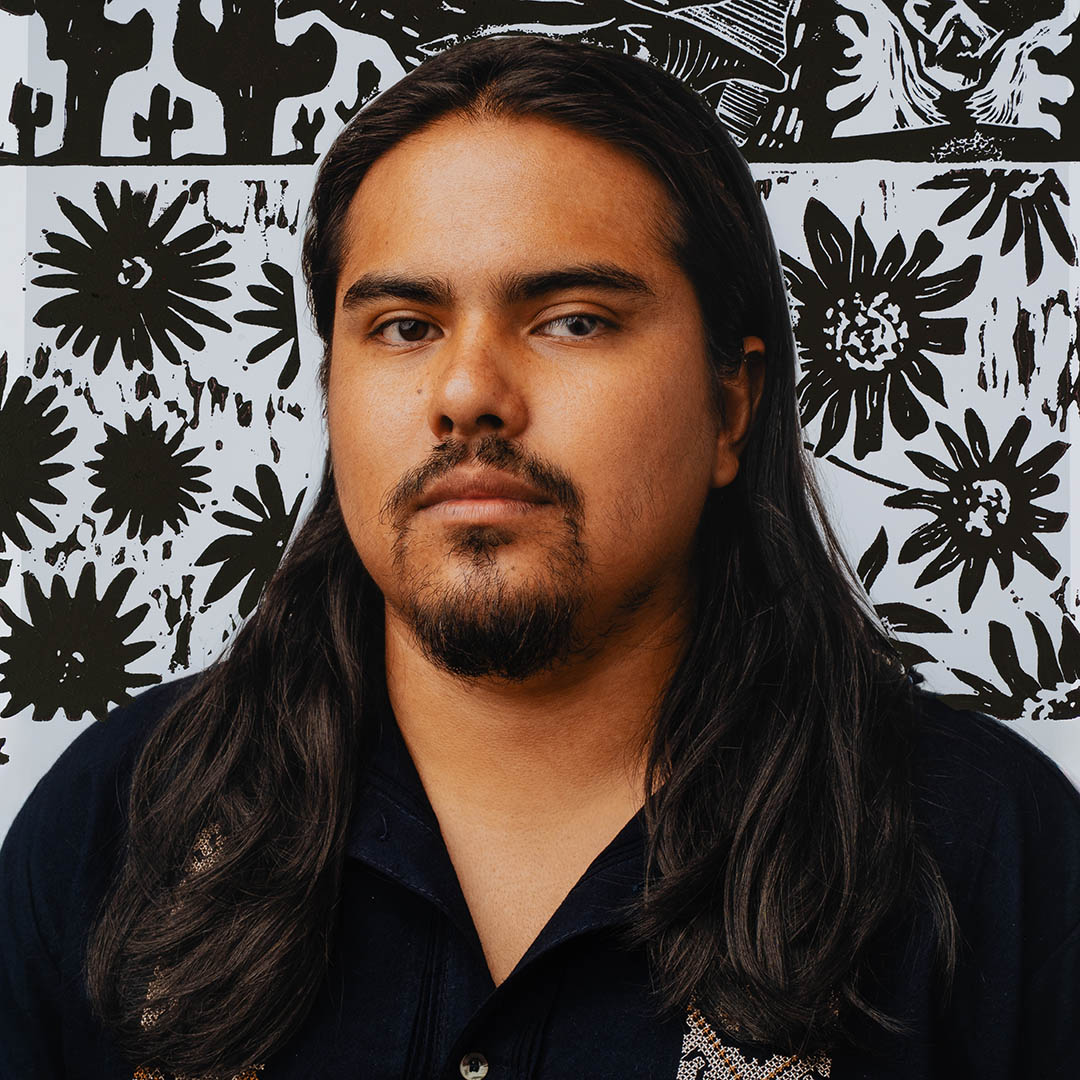
RaAmen Stallings, Class of 2023
Multimedia artist at Greenville Center for Creative Arts
Teacher focused on assisting underprivileged students
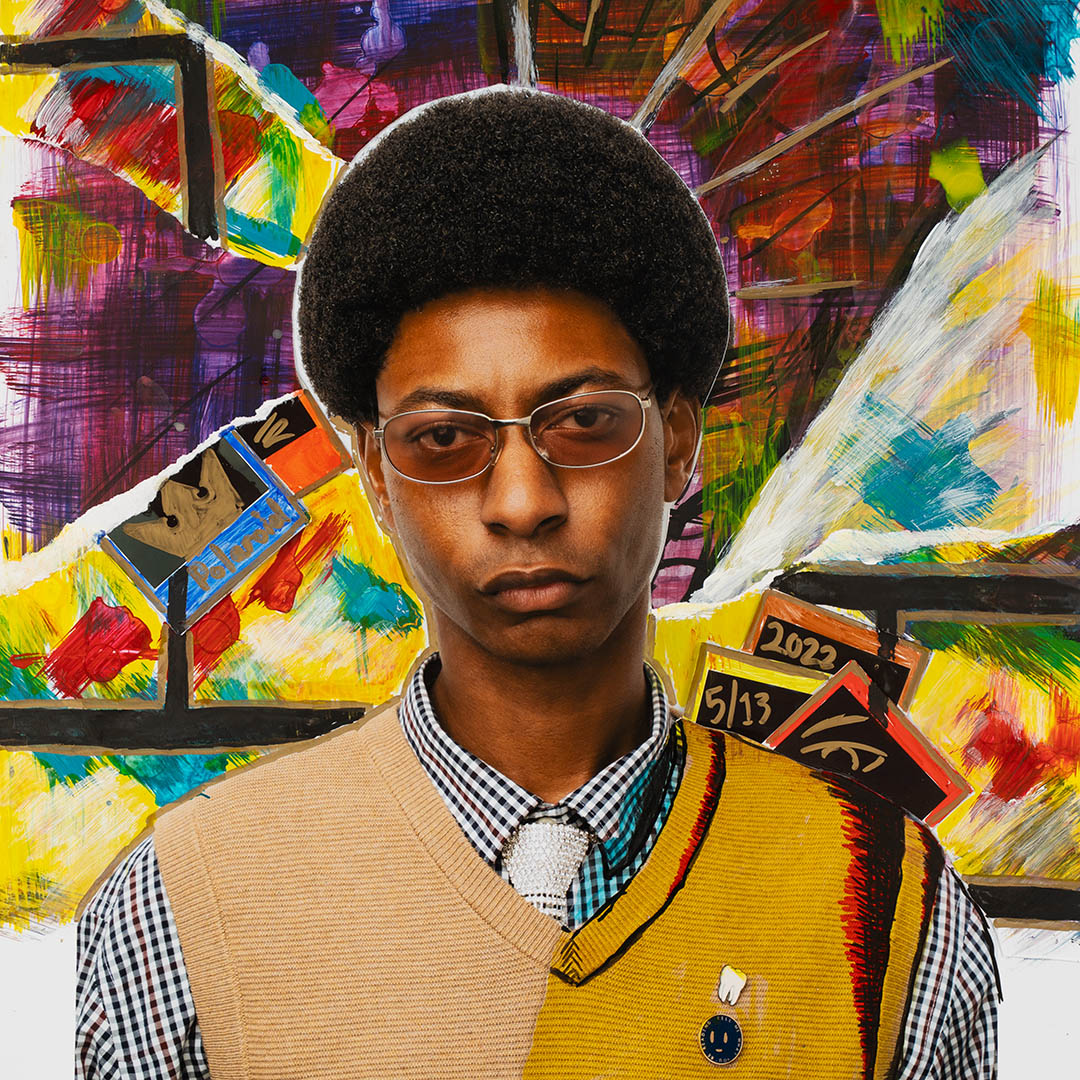
Kephira Davis, Class of 2024
Mixed media artist at Greenville Center for Creative Arts
Visual arts instructor with Greenville County Schools’ ARMES program (Art Reaching Middle and Elementary Schools)
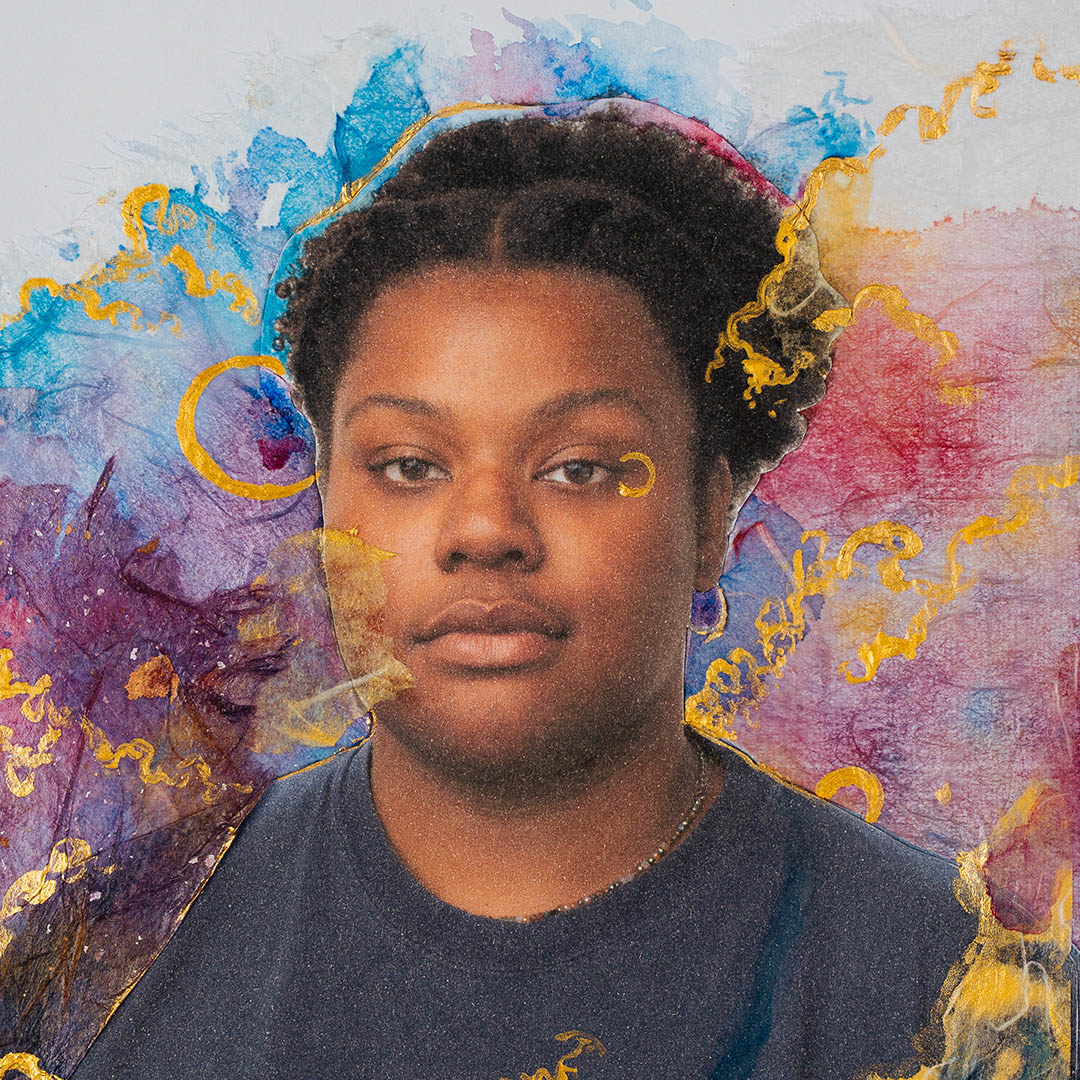
Tripp Brown, Class of 2026
Mixed media artist often printing on unexpected materials
Started in graphic design
What’s next
Greenville Open Studios, November 15-16 Held at studios throughout Greenville, this Metropolitan Arts Council event features 130-plus artists (including our roundtable participants) opening their doors to the community for a peek into their creative process. greenvillearts.com
Color the Night, Thursday, Nov. 6 at GCCA. The theme for this annual fundraiser is Technicolor Dreams. artcentergreenville.org
Party Line, Dec. 5-Jan. 28 at GCCA. This group exhibition, featuring work from Ashley Waller Rabanal and others, was co-curated by Tiger Strikes Asteroid GVL and ICOSA in Austin, Texas. artcentergreenville.org
She Wrote The Book
All Roads Lead to Art and Vice Versa: 10 Years of the Brandon Fellowship, edited by Danielle Fontaine, was published this fall. The book was made possible by a grant from Metropolitan Arts Council and sponsorship from Woven, a mixed-use development underway in the Village of West Greenville. Find the book at GCCA (101 Abney St., Greenville) and at M. Judson Booksellers (130 S. Main St., Greenville). A book launch event at M. Judson is set for Nov. 20 at 5:30p.m.


