
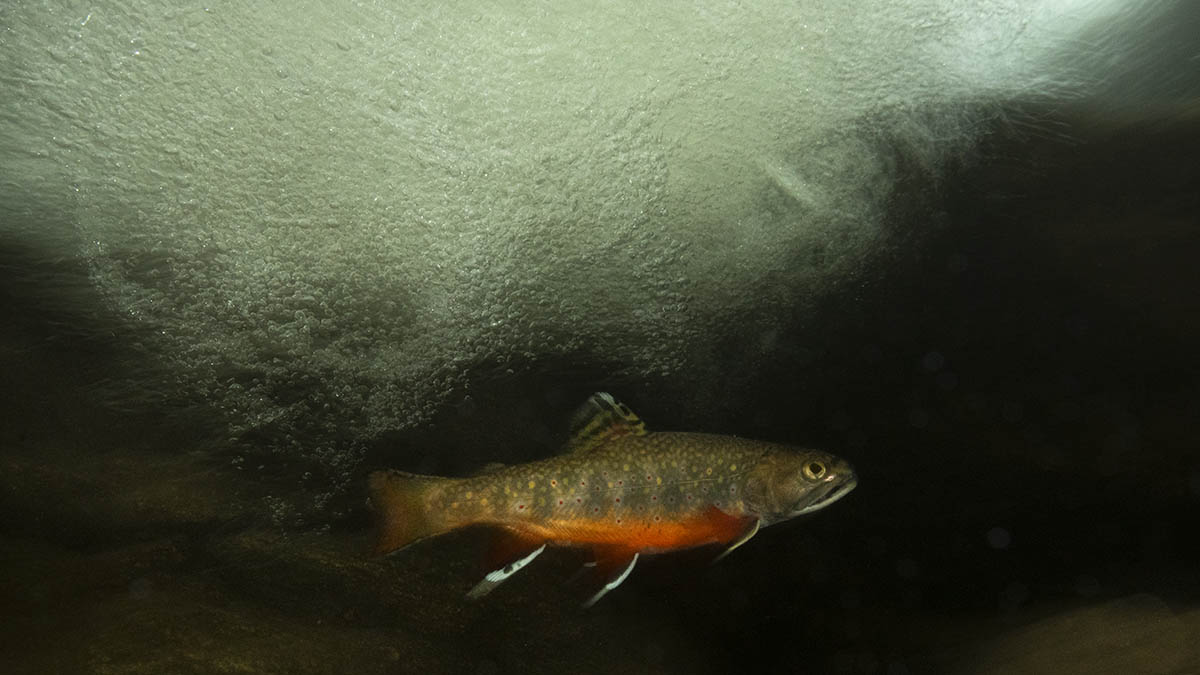
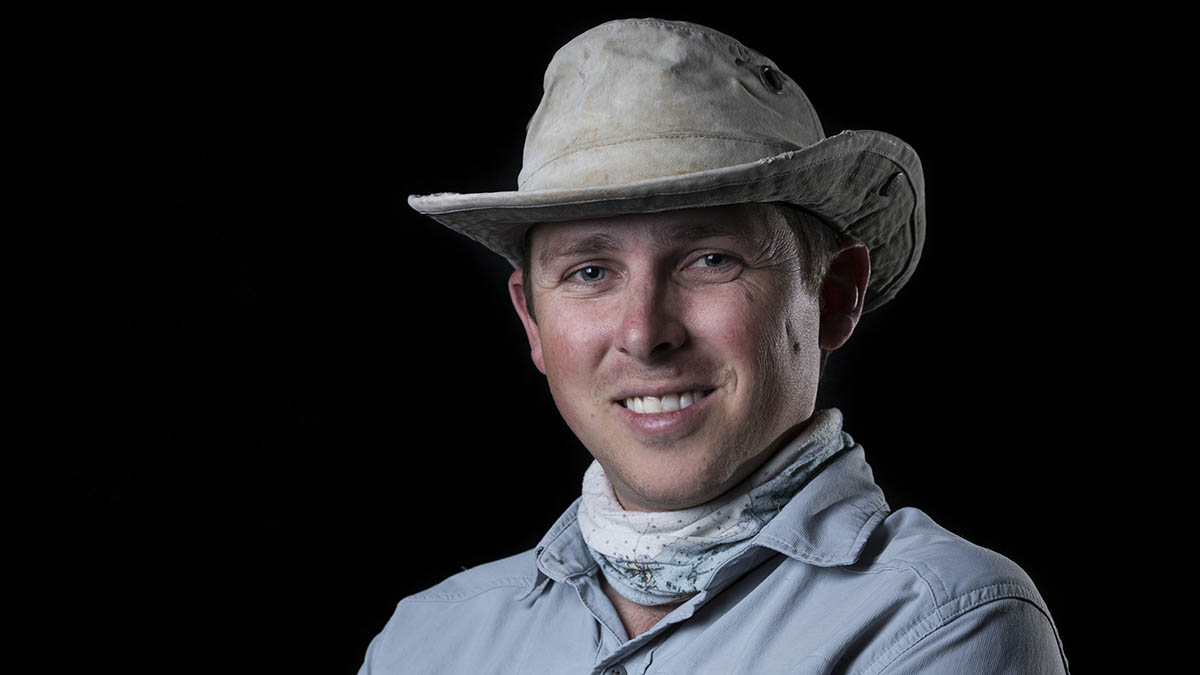
I’m riding shotgun in Mac Stone’s gray Subaru as he drives through a light rain on Greenville County’s Highway 11. He’s telling me how he used to find shark’s teeth in the Florida swamps near his boyhood home. “Going into the woods was the equivalent of treasure hunting,” he says. “When I found my dad’s camera and started using it, that became the fuel. Chasing images became the thing that motivated me to go out early, stay out late, look for new wilderness areas.”
Stone smiles eagerly and cracks jokes, but he also carries, along with his backpack of camera equipment, a deep conviction to carry on a mission of protecting South Carolina’s Blue Ridge mountains and special places in the Piedmont. “I don’t think anyone, 30 years ago, saw what was coming to Greenville except Tommy Wyche [Naturaland Trust’s founder],” Stone says, “That’s why he started this work.”
The work of buying ecologically important land, linking it, managing it, and ultimately opening it to the public created Jones Gap State Park, Caesars Head State Park, and expanded Paris Mountain State Park by 26 percent.
In 2012, Stone moved to Greenville with his wife, a local from Spartanburg. He soon met Wyche and Naturaland Trust’s board of directors. “They were looking for someone to take over and run the day-to-day. We keep a very small organization, and we’re able to do that because our board is incredibly talented, brilliant, and very involved,” Stone says.
When Wyche passed in 2015, he left an endowment for the organization’s operation. “That means my time isn’t spent raising funds to pay for office space or salaries. We are only raising money for the mission. That makes our donors feel good. It’s really empowering.”
Stone just made a deal for the 111-acre property we’re visiting today. Now comes the fun part: photographing it for the first time. We leave the Subaru at the end of the road and follow a stream into the unknown.
Listen to Mac Stone’s appearance on The Upstate Trail Talks podcast with Griffin Donley
Into the unknown
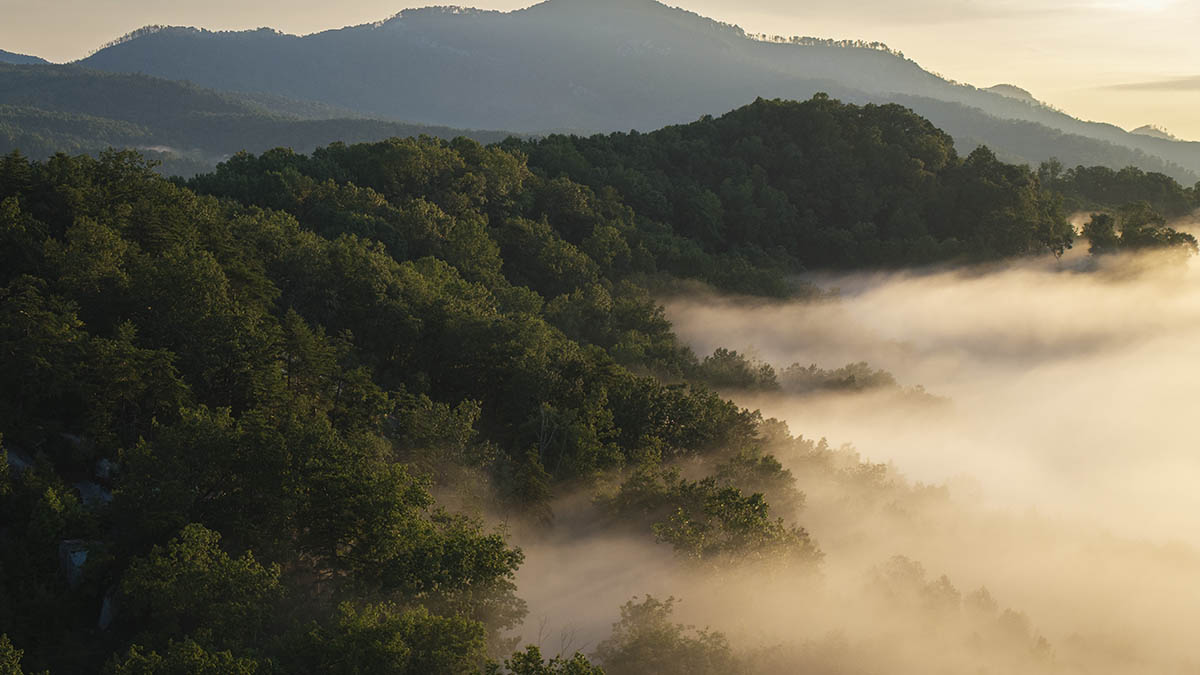
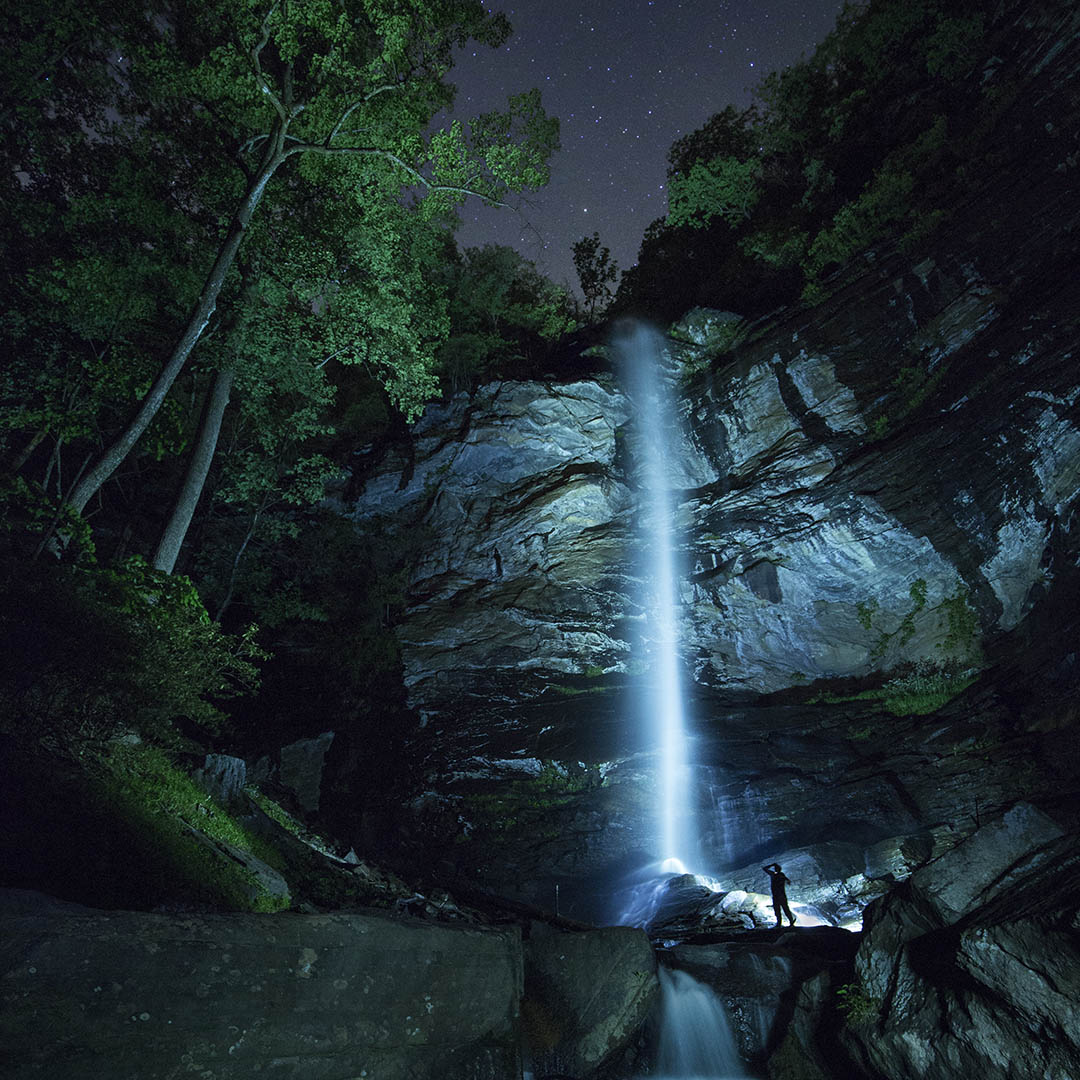
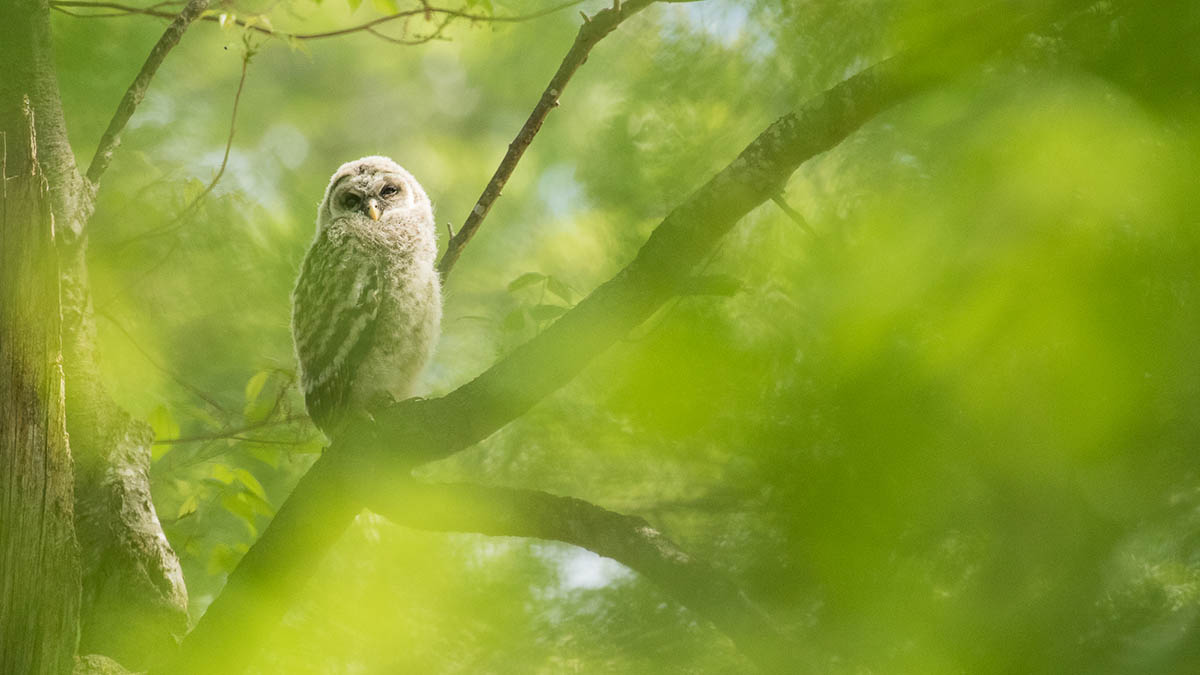
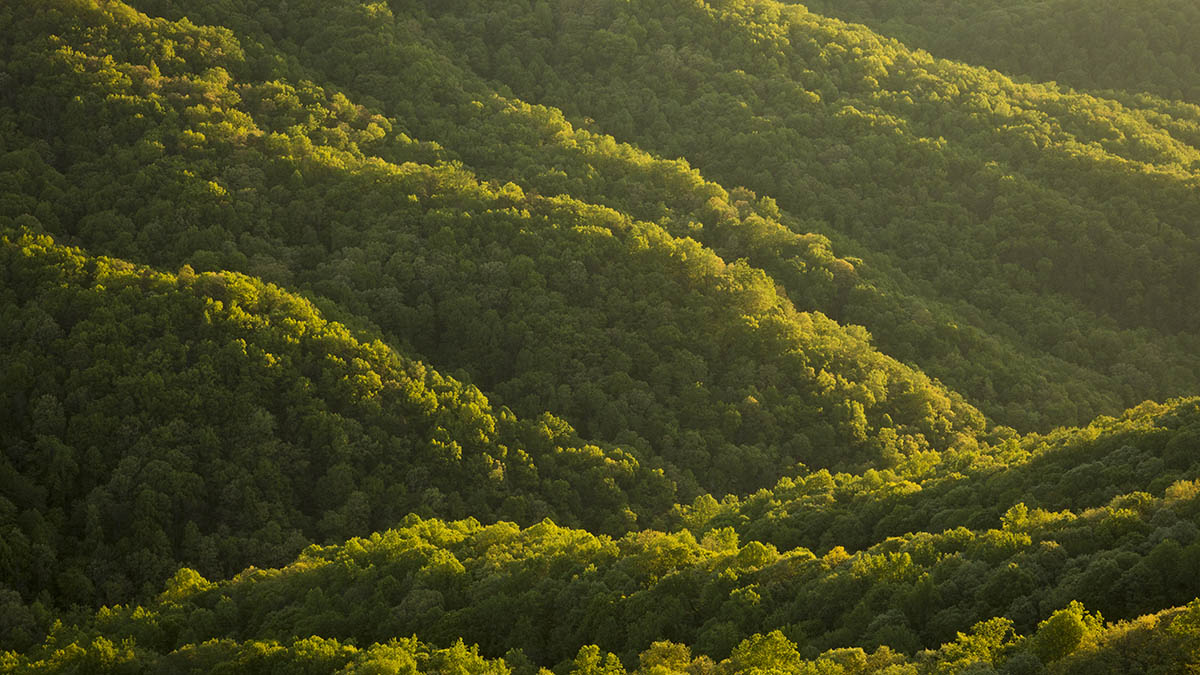
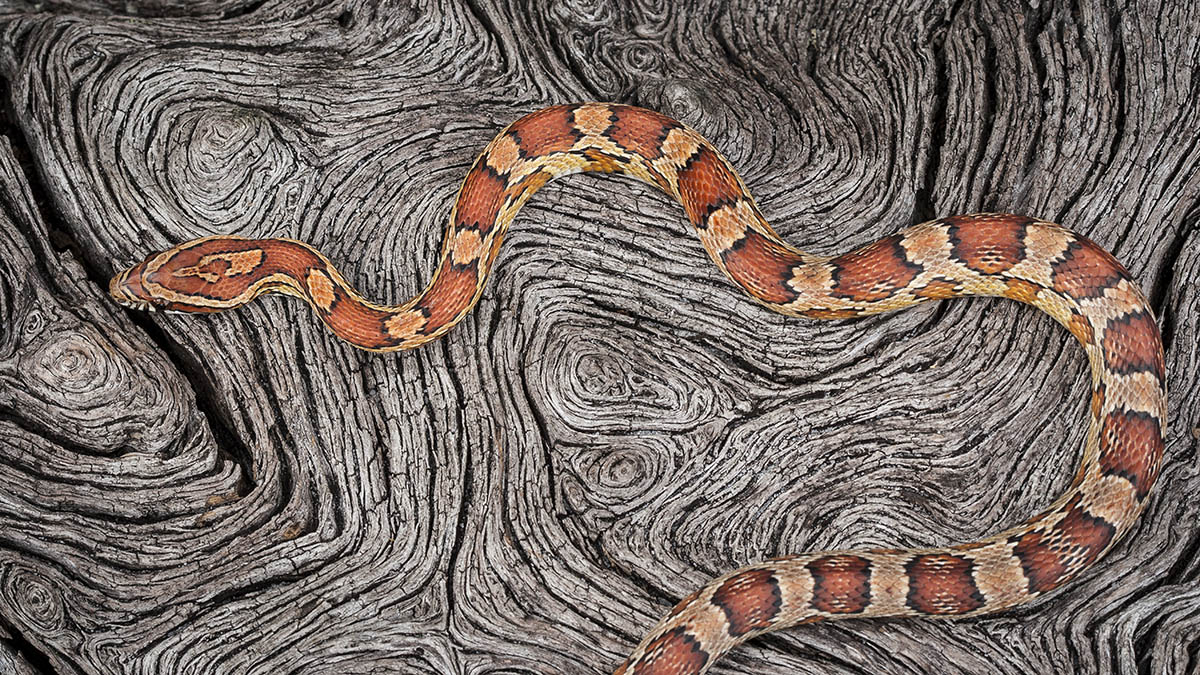
We’re flowing through the woods, following the intuition Stone gained from countless hours spent in places most people never go. Wetlands, watersheds, mountains, and riverbeds are his office. “And the office is always open,” he says.
Traipsing over creeping cedar, Stone spots a rattlesnake fern and takes out his camera to capture it. “I’m looking for little vignettes that help tell what this property looks like,” he says. “You have a lot of generational landowners whose kids are inheriting property and have never seen it.”
We arrive in a narrow cove, where the stream’s source seeps through a mountain rock. Without even walking that far, we’ve watched an orb weaver wrap a moth in its web, peered into a crayfish hole, and caught a glimpse of a coyote before it dove into the brush. “There are infinite, endless wonders when you start peeling back the layers of what’s beyond the tree line,” Stone says.
Back on the road, we pass a painted box turtle; Stone turns the car around and jumps out to record a video for his two kids. Whether he’s following the Saluda River, wading through the Everglades, or camping in Madagascar, Stone always makes time to feed his children’s natural curiosity, because he knows that will make the wild feel like their home, too.
“I don’t want my kids to grow up in a place where we say, ‘Why did we let it get this way?’”
Naturaland Trust has preserved approximately 12,000 acres for the next generation. And Stone wants to reveal the beauty of it all, planting the seeds for conservation—one stunning photo at a time. Connect with Stone at macstonephoto.com.
Explore the Wild Through Mac Stone’s Books
 Everglades, America’s Wetland (University Press of Florida, 2014)
This was the culmination of Stone’s five-year immersion into the most remote areas of the Florida Everglades. “Stone’s spectacular photography captures the splendor of America’s Everglades. His remarkable book is convincing proof that our nation cannot risk losing this unique natural wonder.”—Eric Eikenberg, CEO, Everglades Foundation
American Amazon (teNeues, 2026)
From the back cover: American Amazon reveals the astonishing biodiversity of the wild southeastern United States, from the Everglades and blackwater swamps to the Southern Appalachians and Gulf Coast deltas. Through award-winning photographs, National Geographic Explorer Mac Stone invites readers into a world of ancient cypress forests, rare orchids, alligators, carnivorous plants, and living rivers, offering a powerful new vision of one of the most overlooked and biologically rich regions in North America.
“The American South should be connected,” Stone says. This book (and an upcoming IMAX film) explores that concept in a new ecological way.
Cypress, The Last Old-Growth Swamps (University Press of Florida, 2026)
From the preface written by Stone: “Under the cypress and oak canopies that presided over blackwater sloughs, I learned to compose, expose, and interpret this Southern brand of wilderness at an early age. These ecosystems imprinted themselves on my impressionable heart, sending roots deep into my identity and forming the foundation of what I found beautiful.”
Find out more at naturalandtrust.org Connect with Stone at macstonephoto.com.


