
When one thinks of the history of the United States, paintings of a US president or a Revolutionary War scene often come to mind—and there’s a reason for that. Much of what we know in the twenty-first century comes from historical documents, textbooks, and movies. But our visual memory—what we see when we think of history—often comes from paintings.
Like the country itself, American art is relatively new in the grand scheme of history. Early American art focused heavily on the landscapes, culture, and people of the young nation. In the eighteenth century, European artists often traveled to the Americas to document this newly explored land, its people, and its cultures for audiences back home. They not only brought these images back with them, but also left behind painting styles and techniques that American artists would adopt and build upon.
The United States didn’t have a professional fine art institution until 1805, when the Pennsylvania Academy of the Fine Arts was established. As a result, many early American artists were self-taught or traveled to Europe for formal training. American paintings from this period often featured landscapes, portraits of wealthy families in the Thirteen Colonies, and Revolutionary War scenes. Eventually, themes of westward expansion emerged, heavily influenced by the Romantic ideals and artistic movements coming out of Europe.
 Much of this early artwork is on display throughout the country, serving as a reminder of our founding, development, and preservation. One location that’s often overlooked as a holder of both permanent and temporary contemporary art collections is the White House. While the first paintings that come to mind are typically presidential portraits, many may be surprised to learn that the White House holds a diverse range of artwork that reflects the evolution of patriotism in fine art. For example, The Peacemakers and Signing of the Peace Protocol Between Spain and the United States, August 12, 1898, are two early works that embody the patriotic spirit and are part of the White House’s permanent collection.
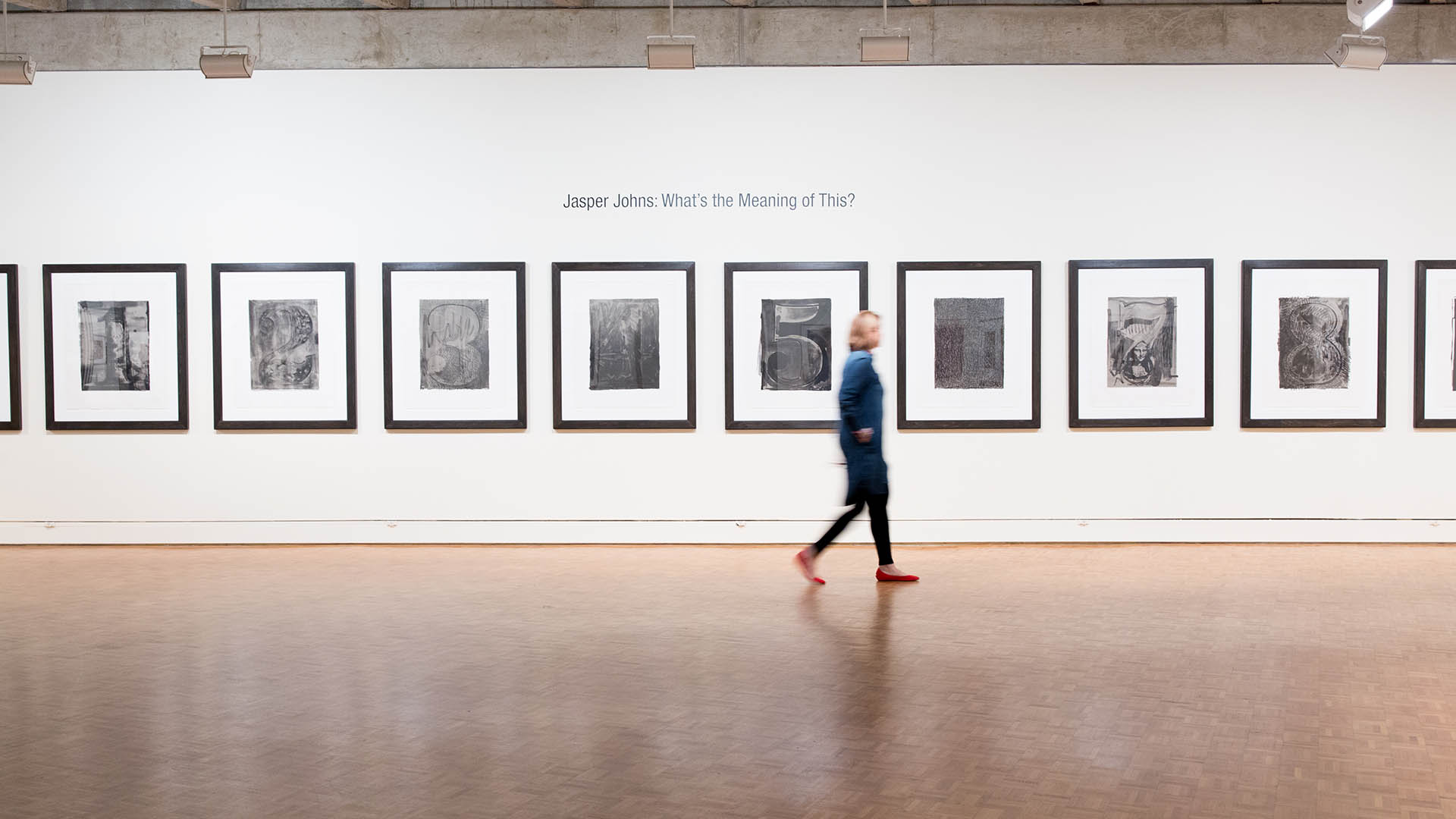
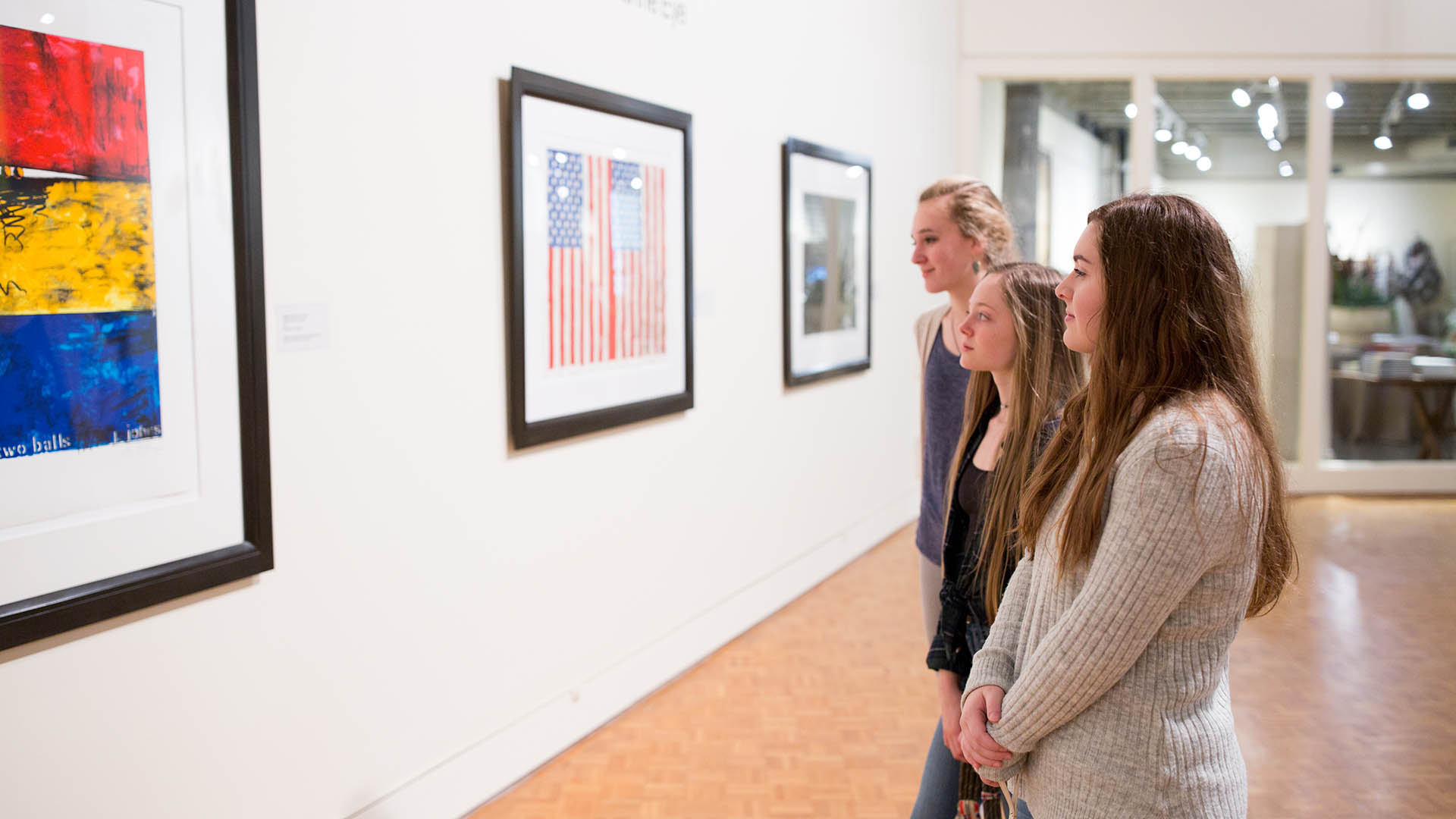
As time went on, artists shifted to more modern and contemporary styles, and patriotic paintings started to evoke emotion rather than simply record events. For example, The Avenue in the Rain, an impressionist painting by Childe Hassam (1989) depicting American flags along an avenue, has been displayed for multiple presidencies in the oval office and conveys a deep sense of national pride. One modern artist renowned for his patriotic work is Jasper Johns, best known for his large-scale American flag paintings created using everyday scrap materials. While his pieces are not part of the permanent collection at the White House, several of Johns’s works were on loan during the Obama Administration. Believe it or not, you can also find his works closer to home at the Greenville County Museum of Art.
Everyone has their own image of what an “American” looks like, especially as our nation continues to grow as a melting pot. Take the White House collection: the diversity of art among its halls reflects both the past and present of what it means to be an American. As our young country moves into its next phase of growth, it will be fascinating to see how patriotism is depicted through art and what new styles capture what it means to be an American.
Sterling Crawford is an artist and founder of Stall Three Studio, an online gallery that showcases international artists in the Greenville area. Visit stallthreestudio.com to view the recently launched Spring 2025 Collection highlighting South African artists and culture.


