
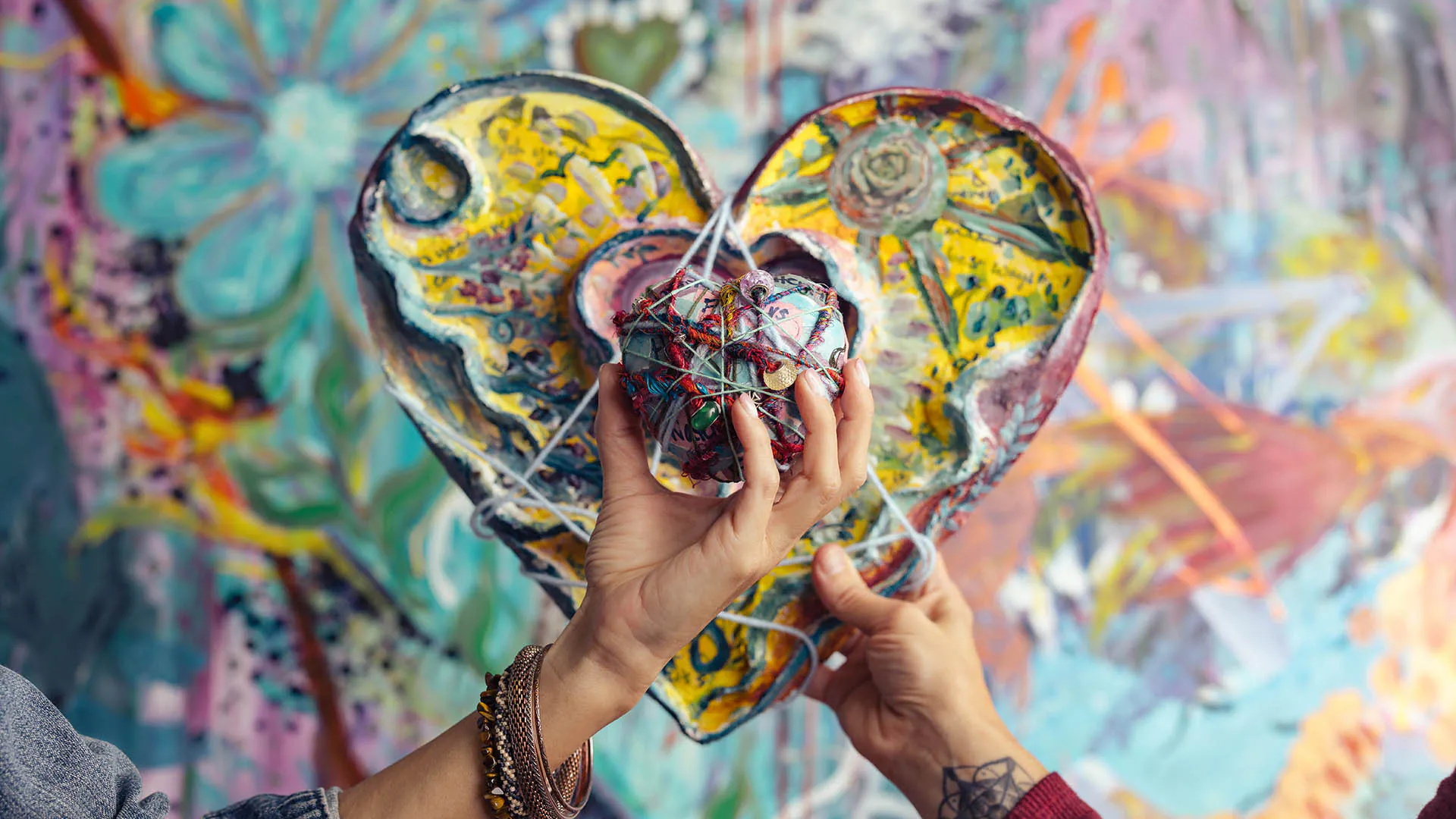
What is art therapy, and how does this proven practice improve our lives?
If dissecting deep thoughts while staring at the ceiling from a lumpy settee isn’t your style, it might be time to dip your toes—or brush—into art therapy.
“When I tell someone that I’m an art therapist, I’m often asked, ‘So, you just sit with people and paint all day?’ It’s still a fairly unknown profession,” reflects Courtney Chandler, founder of celebrated Greenville nonprofit HeARTS for Hope Therapy. “In reality, we use the creative process to help people see themselves in a different way or think about things in a different light, guiding them toward clarity or a deeper understanding of themselves.”
Here’s the beautiful thing: You don’t need to have a single creative bone in your body to enjoy the benefits of art therapy. The growing mental health field, represented by master’s-level therapists with specialized training and counseling credentials, is a fitting option for people who prefer to be active or hands-on while processing emotions or situations. It’s also a great way to branch out or try a new angle on your current therapy journey.
Benefits of Art Therapy
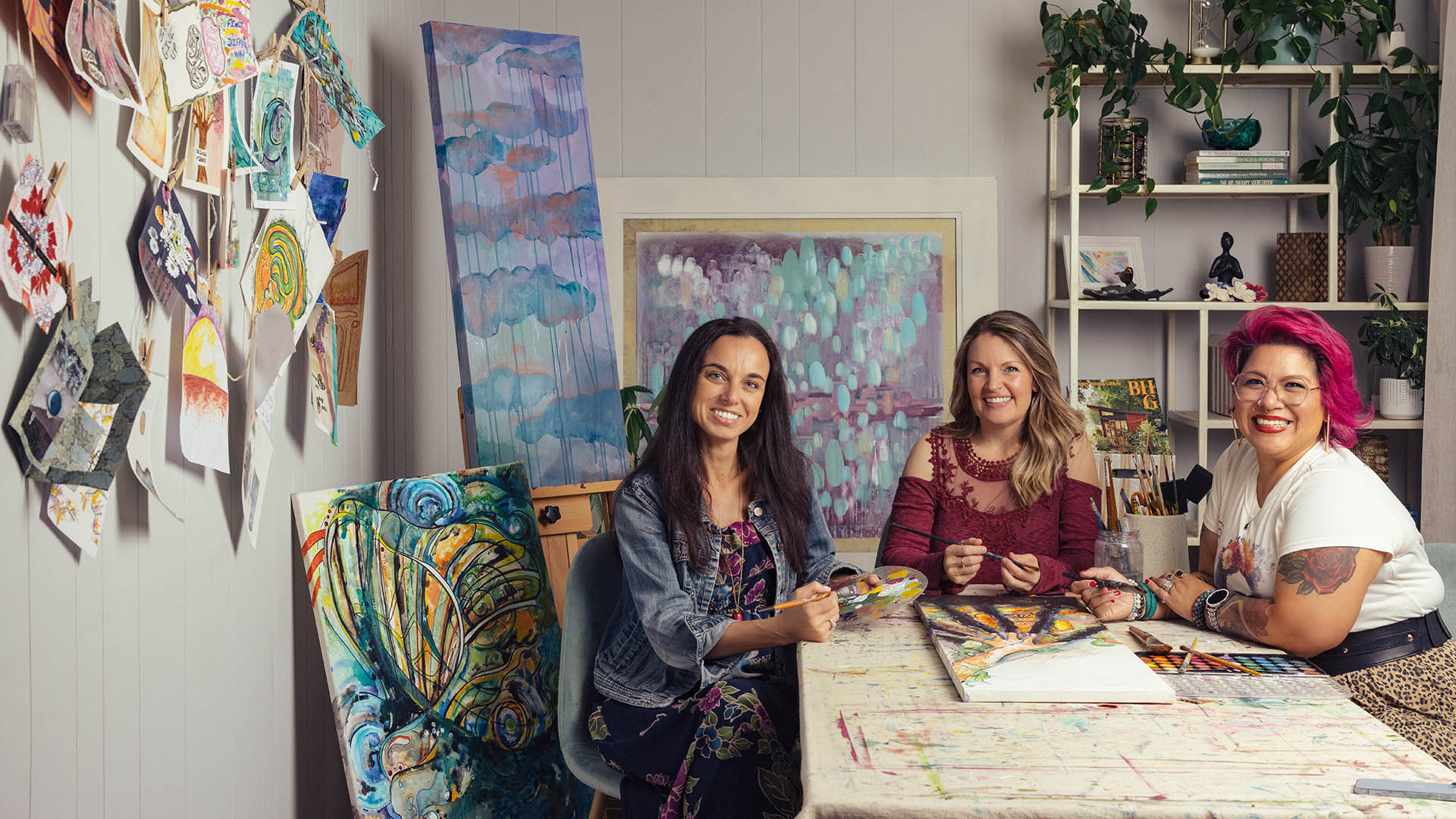
“The truth is that we are all innately creative,” reveals Chandler. “If you’re intimidated by making art, it’s probably because someone somewhere once told you that you weren’t good at it.” That internalized self-judgment could be the only hindrance to discovering a new path to well-being. “You don’t need to be good at talking to go to talk therapy, right? So, you don’t need to be a good artist or even identify as an artist at all for this to be helpful,” Chandler says.
The practice isn’t always about working through problems, either—it can simply enhance and enrich your daily life. “Art therapy is really empowering, and can be very meditative,” adds Chandler. “Some people go to yoga, to church, or for a nice walk to recenter themselves. Learning new ways to incorporate a creative process that is for self-expression can support that as well.”
A fascinating application of Chandler’s field is through her work with seniors. By adapting the tools and projects she uses to accommodate painful joints, shaking, or other issues caused by stroke or decline, Chandler helps older clients engage their minds and potentially even improve or maintain dexterity. “The art that they create is therapeutic to them, but it also gives the family a tangible legacy . . . something to cherish and remember them by,” she says.
“I really love seeing people find more comfort in themselves, and more confidence,” adds Chandler. “You might come in saying, ‘I can’t draw a stick figure,’ but as you learn to let go of those inner critical judgments, there’s this complete turnaround of energy. Now, you’re showing up for yourself and building resilience in your life. It’s like finding that spark that allows us to reconnect with joy, and it’s so rewarding to watch.”
Learn more, take a workshop, or inquire about private appointments at heartsforhopetherapy.com.
Research Paints a Picture
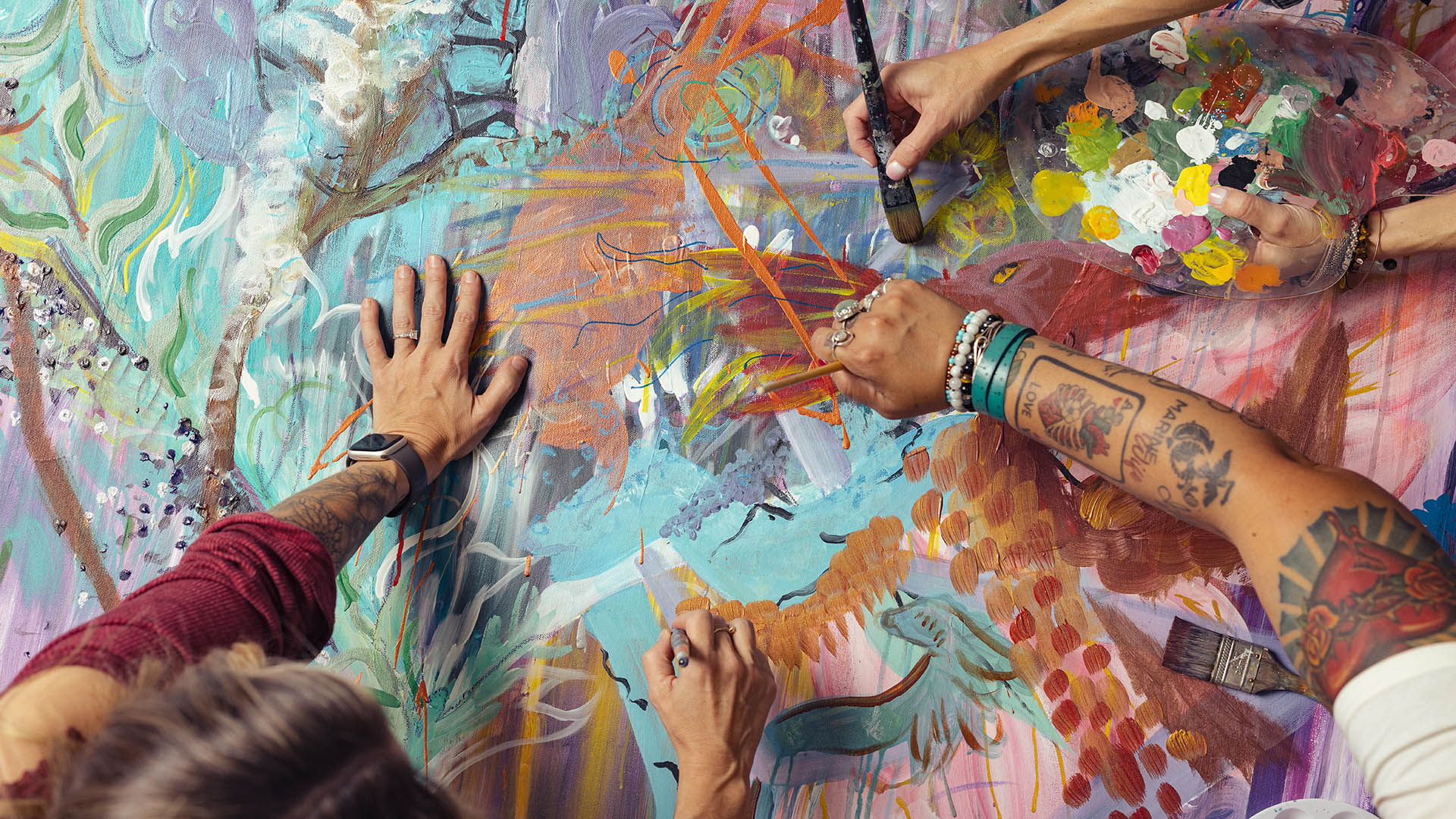 Still skeptical? Neuroscience studies have shown that art therapy reduces cortisol and stress levels and improves memory.
Art Therapy Helps Heal
- Veterans with PTSD
- Teens with trauma or addiction
- Adults going through life transitions
- Seniors in need of memory care
- Anyone and everyone


