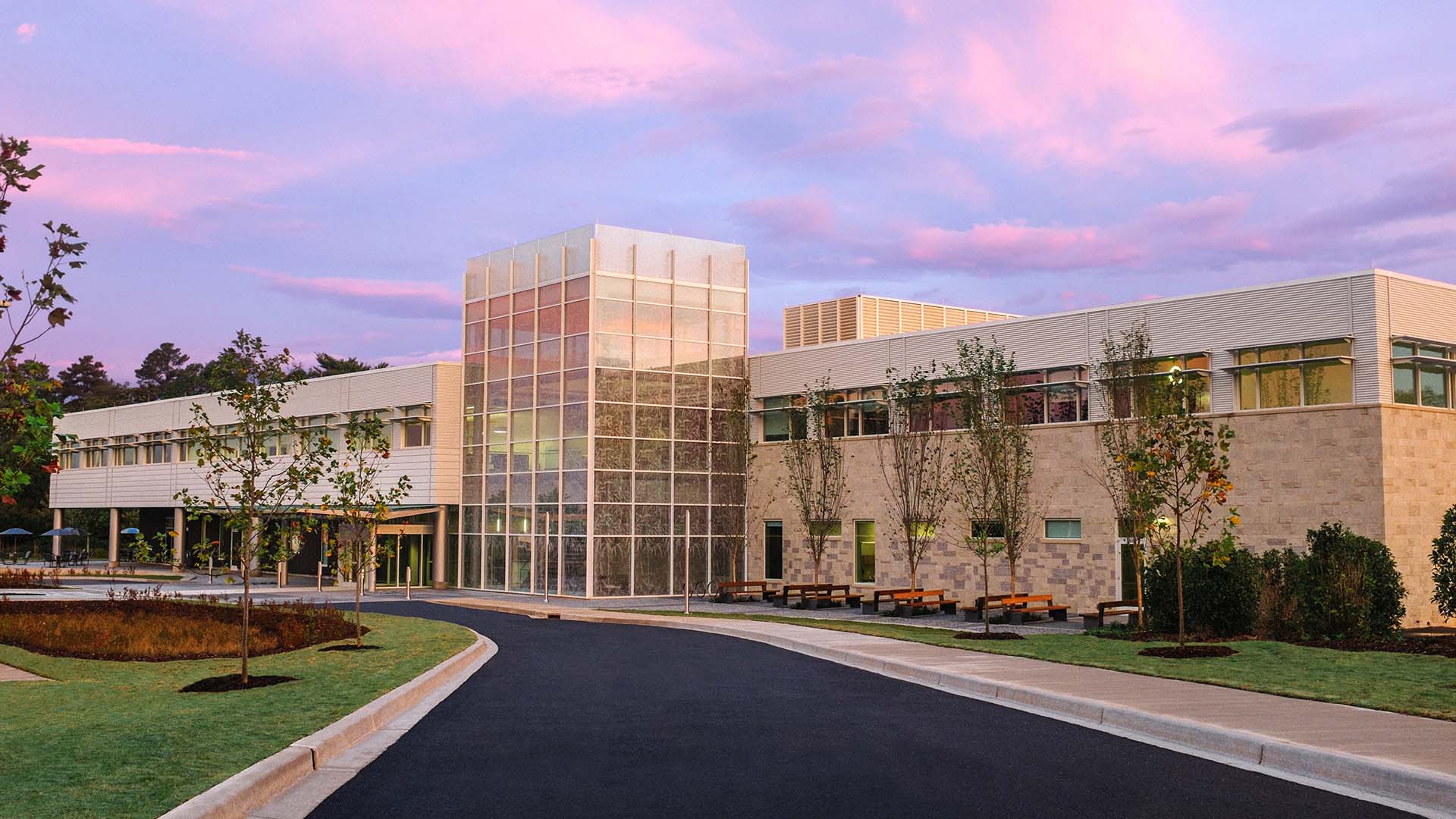
Bon Secours St. Francis Cancer Center offers comprehensive cancer care
Patient-centered care close to home: That’s the mission of Bon Secours’ St. Francis Cancer Center.
The freestanding outpatient facility on the St. Francis Millennium campus opened in 2014 as “a single site where patients can receive comprehensive cancer care,” says Dr. Stephen Dyar, Bon Secours’ oncology medical director. “Before that, care was very fragmented. Patients were traveling all over the county. It was crucial to us, as a ministry, to make it easier on them.”
From the interiors’ abundant natural light and photos of Greenville to the staff’s smiling faces, the 60,000-square-foot building “was built to be patient-centered,” Dyar says.
Patients ages 15 and up “with all kinds of cancer diagnoses,” he adds, can come for chemotherapy and radiation treatments, infusions and injections, and procedures like bone marrow transplants (cancer-related surgeries are done at Bon Secours St. Francis Downtown Hospital). There are “dozens of research trials, usually between 60 and 80 at a given time,” Dyar says.
The center’s two floors contain a lab, physicians’ offices, and spaces for palliative care. It also features a boutique, nutrition center, pharmacy, cafe, and education and community outreach rooms.
“We feel passionate about delivering cutting-edge care, but patients assume they’re going to get good care in our community,” Dyar says. “What they don’t always expect, and are pleasantly surprised by, is the level of spiritual, emotional, psychological care they get.”
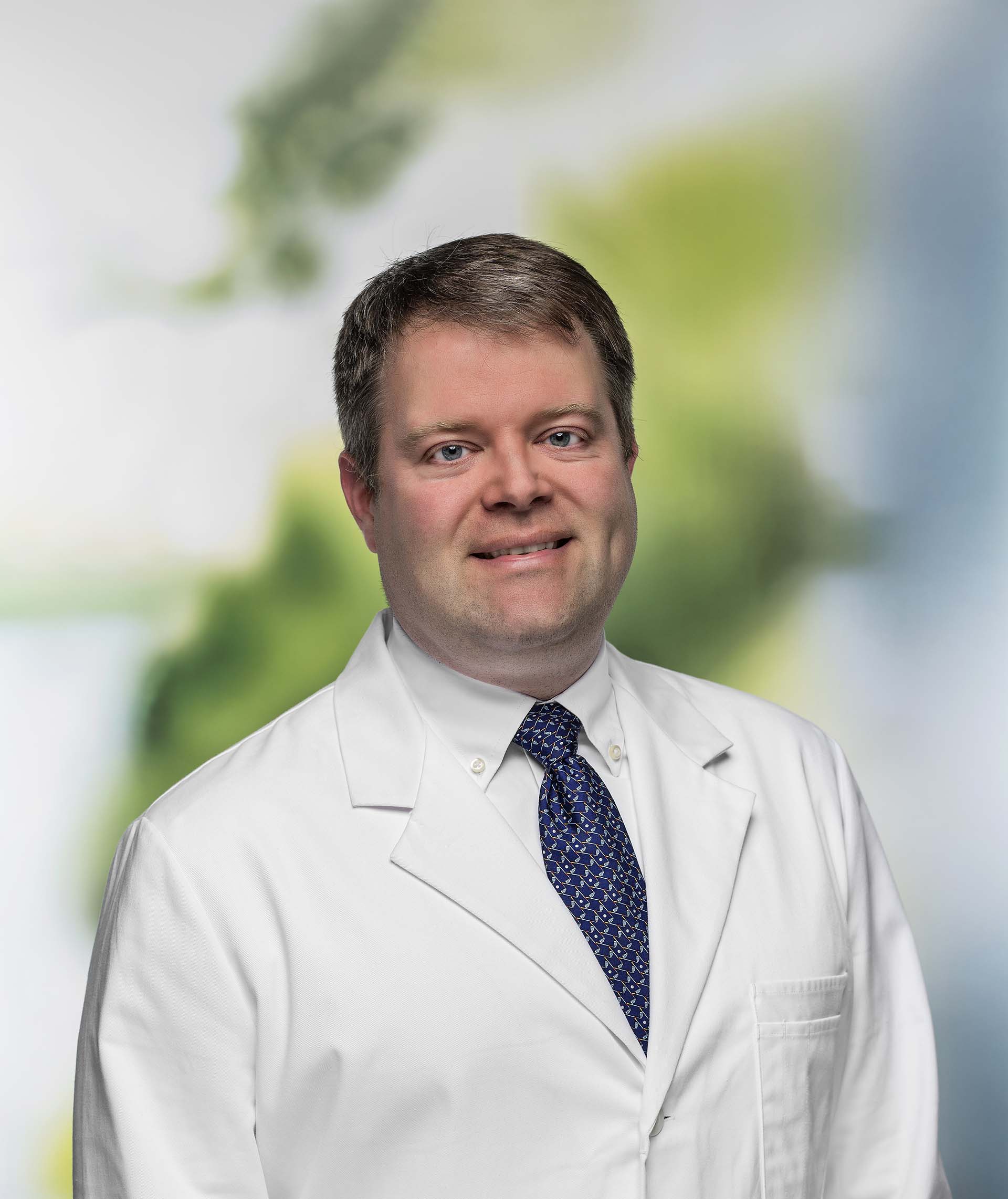
Personal connections with patients are a priority, even with the center’s growth over the past 10 years. “We’re seeing approximately four times the number of patients now than we saw in 2014,” Dyar says, adding that the number of providers and staff also has increased. “As we’ve grown, our guiding principle has been ‘How do we continue to care for patients as individuals and not as diagnoses?’”
The Cancer Center, however, does not conduct cancer screenings. “That was a very strategic decision because most people who get cancer screenings are never going to need cancer treatment. We felt it would be intimidating to come here to get screened,” Dyar says.
But, he added, screenings are the best way to find cancers early and maximize the available treatment options. “We still see quite a few patients—more than we want—who have a disease diagnosed at a much later time than we would have hoped,” he says. “We want to avoid that in as many patients as possible.”
Your doctor can tell you which screenings you need, such as yearly mammograms for women ages 40 and up and colonoscopies for ages 45 and up. Bon Secours also offers lung cancer screenings for people who are active or former smokers, who smoked one pack or more of cigarettes a day for at least 20 years. “That’s a huge benefit to patients,” Dyar says, noting how lung cancer is one of the most undiagnosed yet most fatal cancers.
For more information on the Bon Secours St. Francis Cancer Center and the types of cancer it treats, visit https://www.bonsecours.com/locations/specialty-locations/cancer-care-oncology/st-francis-cancer-center.