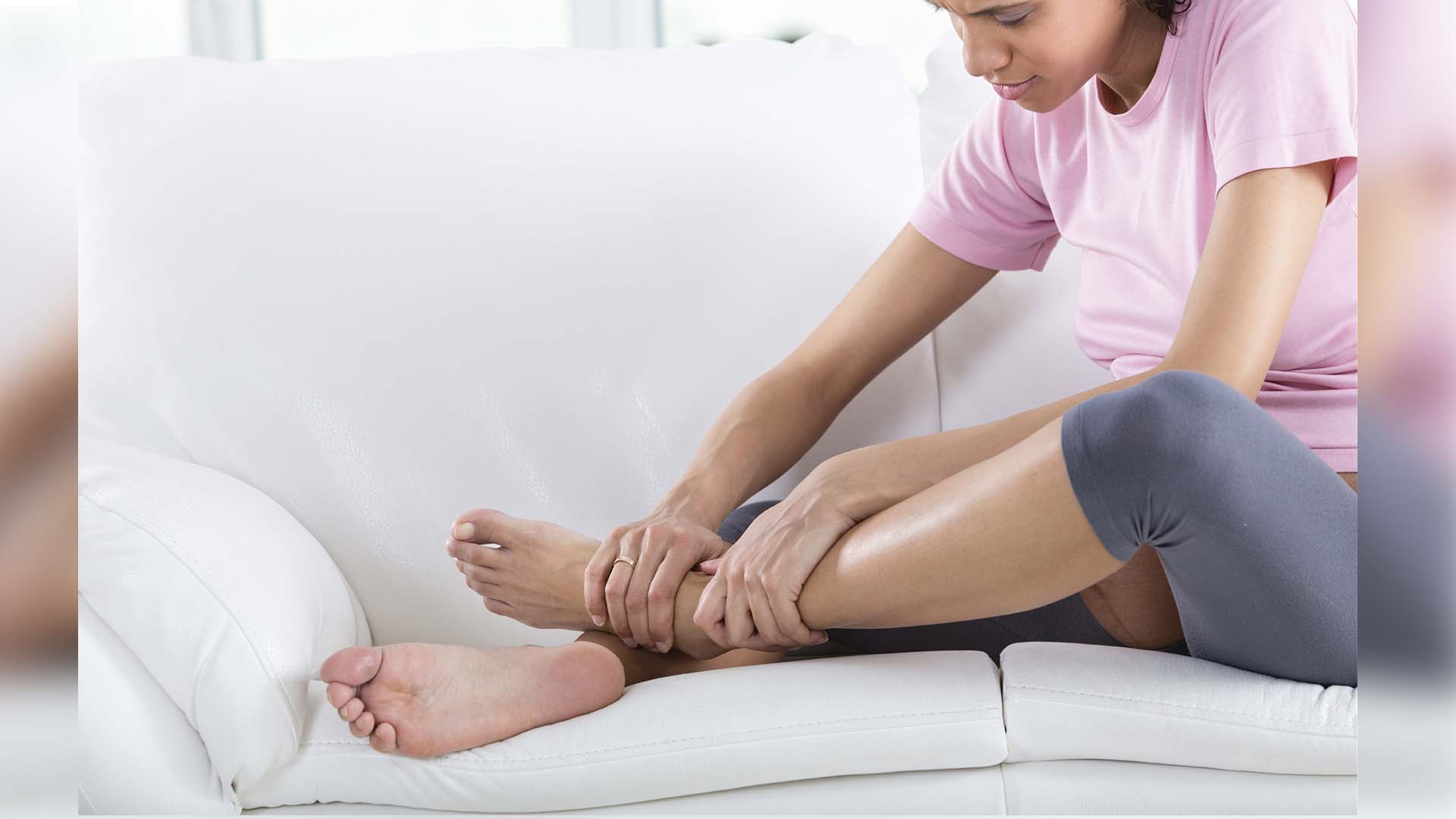
Welcome spring by taking care of your feet
Spring and warmer temperatures are here. Whether the season finds you shoe shopping or increasing your outdoor activities, it’s a great time to pay attention to your feet.
“It’s one area where an ounce of prevention can prevent a pound of hurt,” says John Womack, MD, a foot and ankle orthopaedic surgeon with Bon Secours Piedmont Orthopaedics.
That’s because the foot is one of the body’s most complex parts: It contains 26 bones and can have a lot of problems, from fractures to bacterial issues to plantar fasciitis.

“The most common diagnosis we see is plantar fasciitis,” Womack says of the stabbing pain that indicates inflammation of the plantar fascia (the thick tissue that runs across the bottom of the foot and connects the heel bone and toes).
“If you start developing those types of symptoms, get on a diligent stretching program – say 4 to 5 times per day for a minute –particularly as you start developing a heavier walking or running exercise with the warmer weather,” Womack says.
“What I don’t recommend are custom fancy arch supports,” he adds. “You can get something off the shelf that works just as well.”
Protecting your feet starts with quality shoes. If you’re updating your spring wardrobe, look for fashionable sneakers or lower-heel wedges. If you’re exercising outside more, Womack suggests shopping at a specialty running store and getting “shoes that are a little newer and more supportive and not relying on your trusty old sneakers from 10 years ago.”
Shoe life is mileage-based, he says. If you run or walk three miles a day five times per week, you may need new shoes every six months, whereas an elite athlete running 70 to 80 miles per week needs them more often.
Wearing breathable socks made specifically for exercise will help keep your feet healthy, Womack says, and changing out of them soon after sweat sessions will minimize bacteria growth.
It’s also important to keep up with routine exams and undergo diabetic testing. “I think your feet are the window to your health sometimes,” Womack says.
If you are having any disproportionate foot issues or pain, make sure to see your doctor. “A lot of times problems can be solved by seeking out the right care; sometimes physical therapy can help. It doesn’t always come down to needing an operation,” Womack says.
If needed, your doctor also can refer you to one of Bon Secours’s orthopaedic specialists. For more information on Bon Secours’s orthopaedic services, visit bonsecours.com/health-care-services/orthopedics-sports-medicine/foot-ankle.