
Four framing mistakes to avoid, plus three trends to try
Amanda Bennett, owner of Bennetts’ Frame and Art Gallery, has been in the business for almost 50 years. “I’ve never had another job,” she says. “I don’t know how to do anything else.”
But after five decades of custom framing for individuals, restaurants, and corporations, she knows more than most about framing. Clients drop in to consult on dream projects big and small, and with interior challenges of every stripe.
Customer service has been a hallmark of the shop since Amanda’s parents, Joe and Blaun Bennett, opened it in 1974. Her mother was known for her caring nature and for giving kids a dollar while their parents shopped. Now, those kids bring in their kids–and they all fondly remember those dollars.
“The reason we are still here today is because of my father’s entrepreneurial skills and my mother’s kindness,” she says. Long-term clients would add Amanda Bennett’s no-nonsense expertise to that list.
She pointed us to four frequent framing snags, as well as three of the most popular trends on the horizon.
Framing Mistakes to Avoid (usually)
Choosing a frame based on the room instead of on the art
“There are exceptions to everything, but in my opinion, if you frame the artwork the best you can fame the artwork, it will work in almost any situation,” Bennett says. For example, if you’re placing art above a red couch, but you’re framing a black-and-white photo, focus on enhancing the art more than matching the sofa.
“If you complement the art and not the room, then you can move it from bedroom to den to study, and if you frame it right the first time, you don’t have to redo it.”
Mats that are too small
“You don’t want to skimp on matting. It makes it look crowded, like you got a ready-made frame and matted it to fit the frame.” But the right mat will enhance the work and open it up, she says.
Hanging too high
“I’m not about specific rules, but nine times out of ten, men hang too high,” Bennett says. “They just do.” The general rule is eye level, but, of course, that varies widely among people. Just remember that the art is an extension of the piece below it, so don’t hang the art so high that it becomes disconnected from what is below, she says. Just go with what feels right. “I don’t measure,” she says. “Never, ever.”
Selecting art based on size
Most importantly, buy artwork that appeals to you, she says. “People come in and don’t care what it looks like, just that it’s a certain size. But it’s such a personal thing. Art should give an emotion. Pick art that speaks to you.”
Trends to try
Floater frames
These minimal frames, which create the illusion of the art floating in the frame, are popular for oils or acrylic on canvas, keeping the focus on the art. “It’s not contemporary, because it works in traditional settings, too, but the best thing about it is, it doesn’t distract from the art.”
Anti-reflective glass
For art that requires glass in front, she recommends anti-reflective glass. Unlike non-glare glass, it doesn’t blur or distort the image, and it’s much cheaper than museum glass.
All things gold
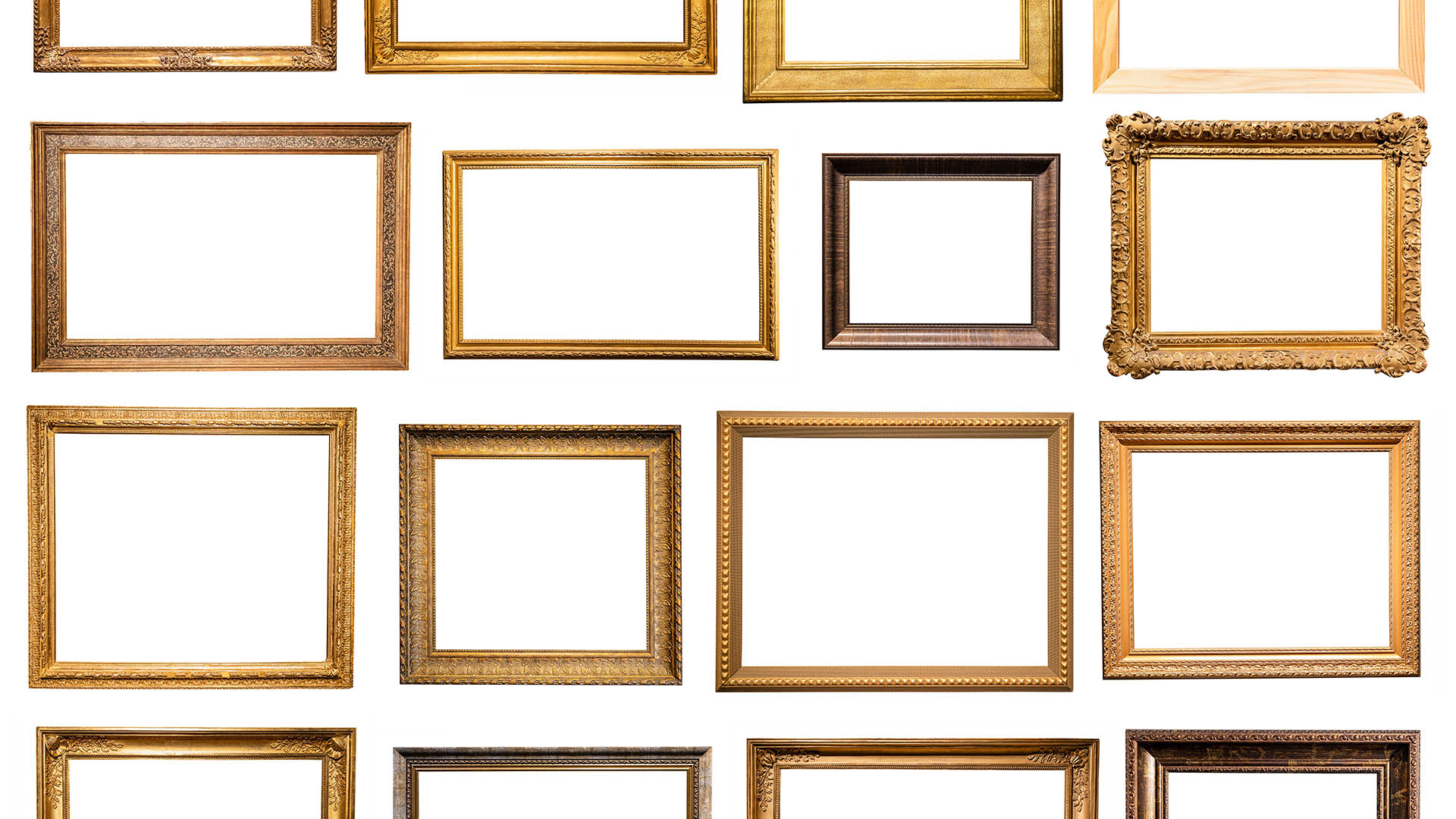
“Gold is huge right now,” she says. Options, from glittering to antiqued, mean that gold can work with most any piece of art.
Callout
Stranger things
Over the years, Bennetts’ has framed a wedding dress, ice cream scoops, dryer lint, a cigar butt, and a horse’s tail.


