
By Vee Daniel, Better Business Bureau® of the Upstate President/CEO
Online dating sites are popular, as many singles use technology to find a match. But don’t let your quest for love blind you to the realities of romance scams.
In the most recent 2020 BBB Scam Tracker Risk Report, romance scams continued to be the riskiest scams for ages 55 through 64.
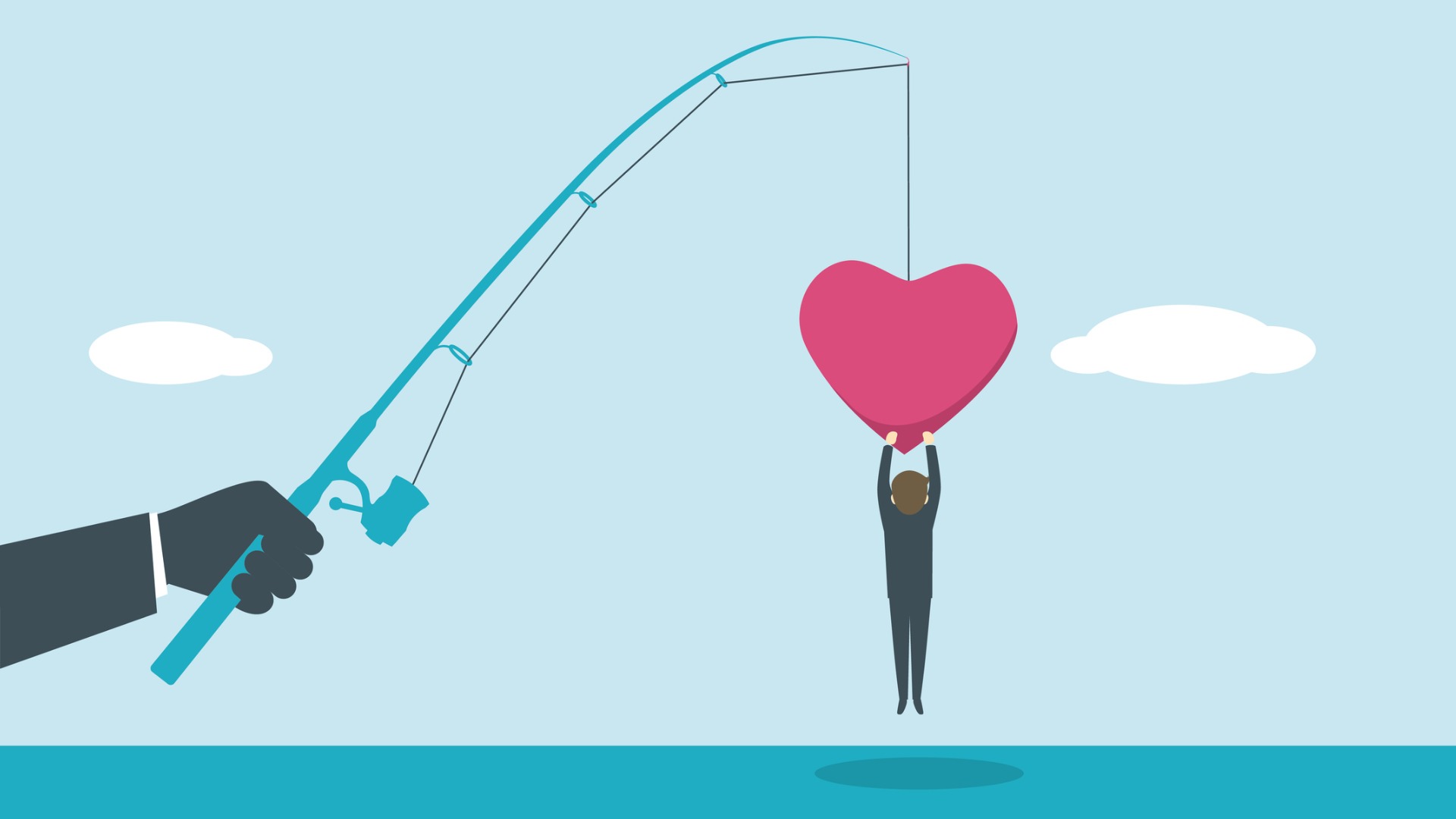
Online dating and social media have made it easier than ever to meet new people and find dates. Unfortunately, con artists can also create compelling backstories and full-fledged identities, then trick you into falling for someone who doesn’t even exist. This form of deception is known as “catfishing.” Often this is the first step in a phishing scheme to steal personal information or trick you out of money.
How the Scam Works:
Most romance scams start with fake profiles on online dating sites created by stealing photos and text from real accounts or elsewhere. Scammers often claim to be in the military or working overseas to explain why they can’t meet you in person. Over a short period of time, the scammer builds a fake relationship with you, exchanging photos and romantic messages, even talking on the phone or through a webcam.
Just when the relationship seems to be getting serious, your new sweetheart needs money. But after you send money, the requests keep coming. Or the scammer stops communicating altogether.
Tips to Spot This Scam:
- Too hot to be true. If they seem “too perfect,” your alarm bells should ring.
- In a hurry to get off the site. Catfishers will try very quickly to get you to move to communicating through email, messenger, or phone.
- Moving fast. A catfisher will begin speaking of a future together and tell you they love you quickly.
- Talk about trust. Catfishers will start manipulating you with talk about trust and how important it is.
- Don’t want to meet. Be wary of someone who always has an excuse to postpone meeting in person.
- Suspect language. If the person you are communicating with has poor spelling or grammar, uses overly flowery language, or uses phrases that don’t make sense, that’s a red flag.
- Hard-luck stories. Before moving on to asking you for money, the scammer may hint at financial troubles like heat being cut off or a stolen car or a sick relative, or they may share a sad story from their past.
Protect Yourself From this Scam:
- Never send money or personal information that can be used for identity theft to someone you’ve never met in person. Never give someone your credit card information to book a ticket to visit you.
- Ask specific questions about details given in a profile. A scammer may stumble over remembering details or making a story fit.
- Do your research. Many scammers steal photos from the web to use in their profiles. You can do a reverse image lookup using images.google.com to see if the photos on a profile are stolen from somewhere else. You can also search online for a profile name, email, or phone number.
Visit BBB.org/UpstateSC for more information, or report a scam at BBB.org/ScamTracker.


