
Know when to see a cardiologist
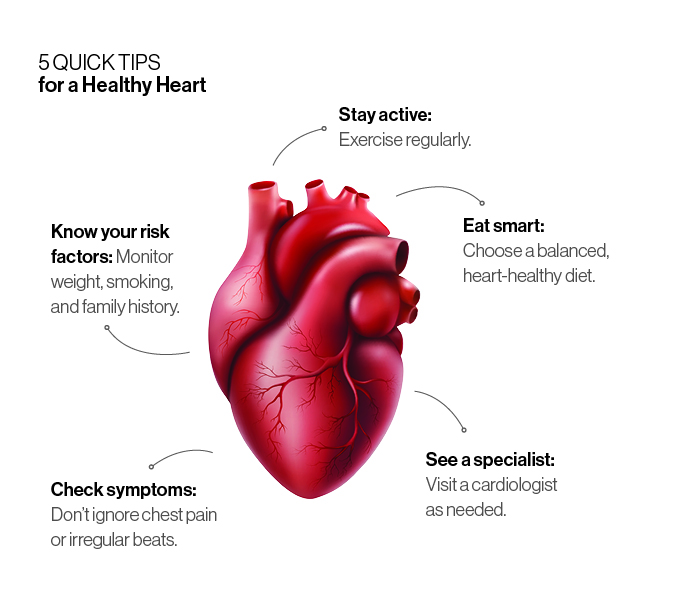
February marks American Heart Month, a federally designated event spotlighting heart disease, the nation’s No. 1 killer. It reminds Americans to consider risk factors like obesity, smoking, hypertension, high blood pressure, and any family history of coronary conditions.
Along with preventative practices like eating a healthy diet, exercising regularly, and managing stress, keeping your heart healthy includes knowing when to see a cardiologist. While most people know cardiologists care for the heart, they may not know there are several different types of heart care providers.
Most commonly thought of are your general cardiologists, who you may consider primary care physicians of the heart. These are office-based providers who can create treatment plans to help minimize heart attack risks. They often conduct routine checkups and perform tests to diagnose and treat a wide range of common heart conditions and help manage your overall cardiovascular health. If your health concern falls outside of their general scope, that’s where the subspecialists come in.
Interventional cardiologists use minimally invasive procedures, like catheters and stents, to diagnose and treat heart conditions. They can perform angioplasties, valve repairs, stent replacements, and Trans Aortic Valve Replacements, more commonly known as TAVR.
Electrophysiologists like Dr. Jeffrey Senfield at Bon Secours’ Upstate Cardiology specialize in the heart’s electrical system and treat and diagnose arrhythmias or palpitations. They can place pacemakers and use cardiac ablation to treat atrial fibrillation. More commonly known as AFib, the condition causes a highly irregular heartbeat that disrupts the flow of blood between the upper and lower chambers of the heart.
It can cause blood clots and heart failure, but one of the biggest concerns is the risk of stroke, Senfield says. “In my opinion, anyone who has a diagnosis of atrial fibrillation should see a cardiac electrophysiologist. We have all the tools in our tool belt to help the patient manage the problem. Just like if I needed a stent, I’d want to see an interventional cardiologist,” he adds.
Knowing when to see a cardiologist or cardiac specialist depends on the “acuity of the patient,” Seinfeld says. Many are referred through their primary care physician, internist, “or the emergency room if the attending physician

determines a cardiologist needs to do a follow-up,” he adds, noting that some patients may have an initial consult with a general cardiologist before being treated by a cardiac specialist.
“The best thing about cardiology is we have become more minimally invasive over time. So, there are a lot fewer open wounds that need to be repaired to fix a cardiac problem,” he says. “Getting a good outcome and safety have increased, dramatically reducing the risks of complications. So, we’ve seen a nice shift in our field over the years where we cannot only fix things, but we can fix them with a lot of precision.”
Bon Secours Upstate Cardiology has numerous providers, ranging from general cardiologists to specialists, who practice in its Greenville, Clemson, Simpsonville, and Easley offices. For more information, visit bonsecours.com/locations/specialty-locations/heart-care-cardiology/upstate-cardiology-greenville#.