
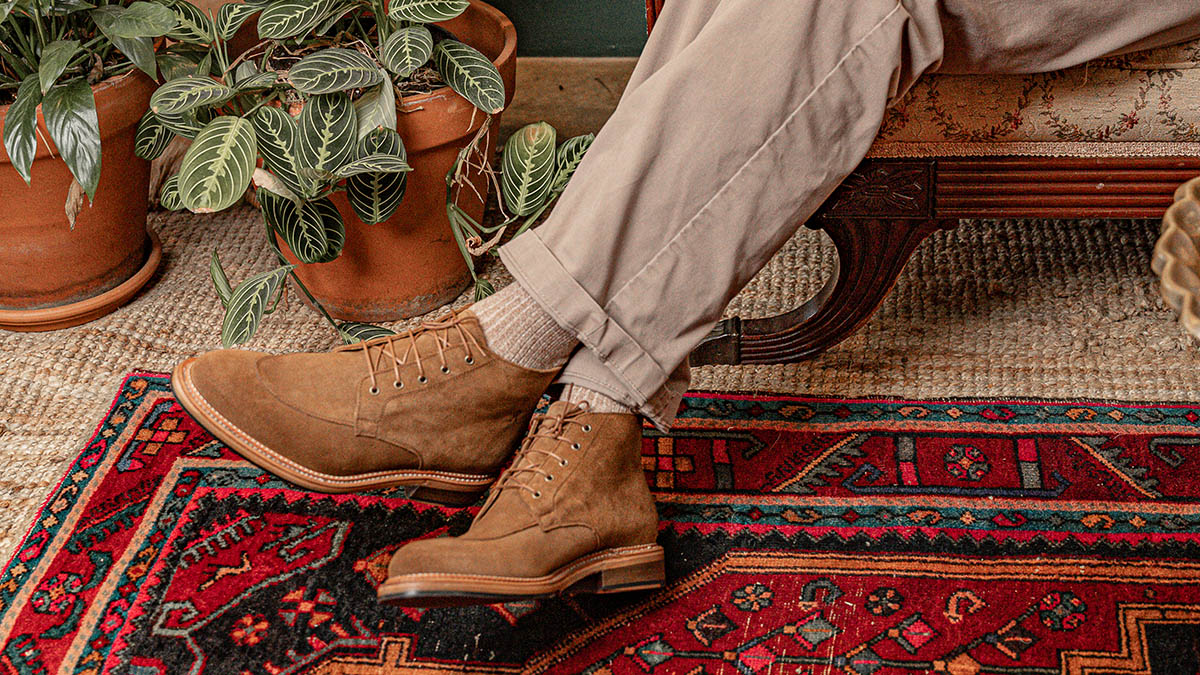
To understand how Greenville-based shoe designer Armin Oehler got where he is, you have to go back more than 200 years and travel more than 7,000 kilometers.
Growing up in Stuttgart, Germany, Oehler helped out in the family business, David Oehler GmbH Lederfabrik, a tannery founded in 1823 that supplies fine luxury leather for shoes, handbags, clothing, and automobile interiors. After completing his engineering degree in the United States, his career brought him to Greenville more than 20 years ago.
His work in the automotive industry allowed Oehler to stay connected to the family tannery through the automotive business, and it didn’t take long for the engineer to reconnect with the artist within him. Around 2010, Oehler found himself sketching designs for men’s shoes, nurturing a creative streak he attributes to his early school days.
“Before high school, I went to more of a Montessori-like school, with a lot of design and painting and things like that,” he says. “So I guess that’s where it started.”
Showing his designs around led to his first orders, and he established his enterprise in Greenville in 2014. Sold online at arminoehler.com, Armin Oehler shoes and accessories are also found in nearly 100 retail boutiques across the nation, including Rush Wilson Limited in downtown Greenville. He also creates small-batch items for special occasions, applying creative touches by hand in Greenville after the items arrive from the plant in Germany.
Armin Oehler Shoe Design Process
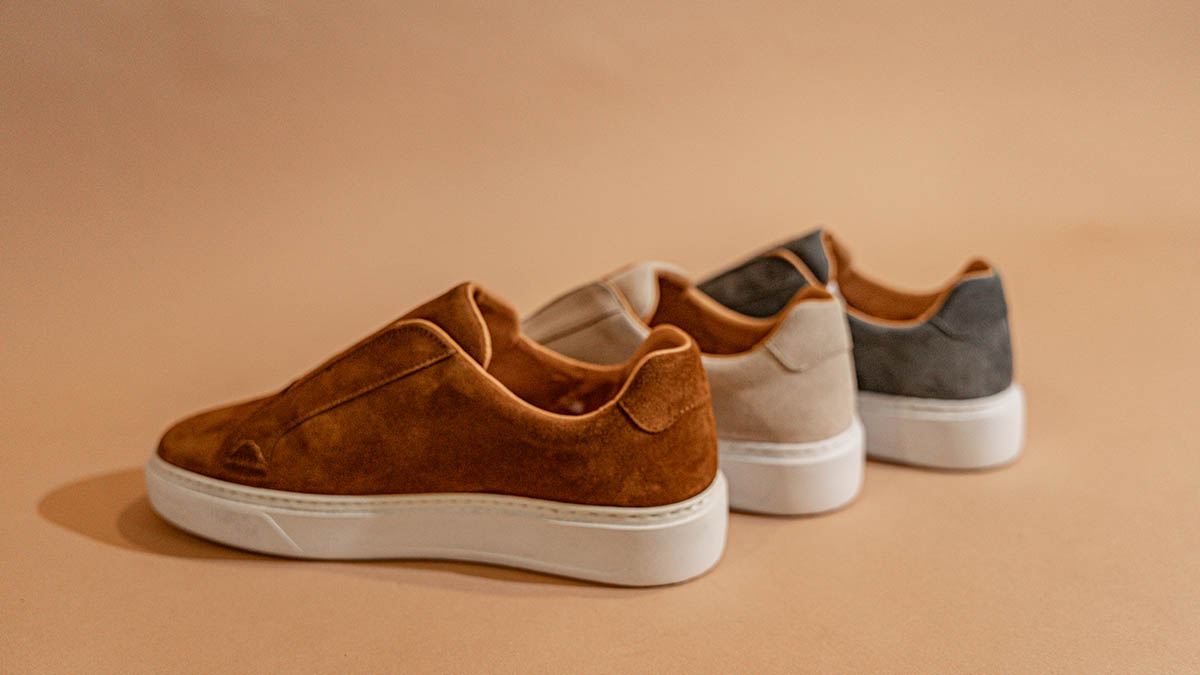
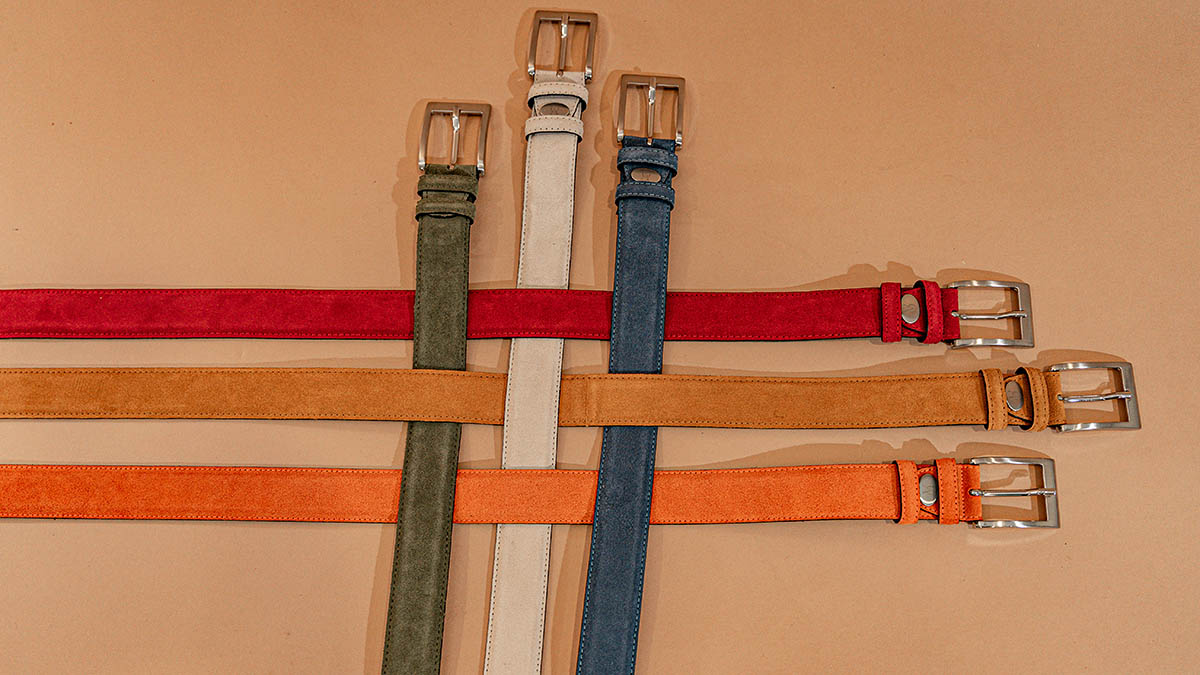
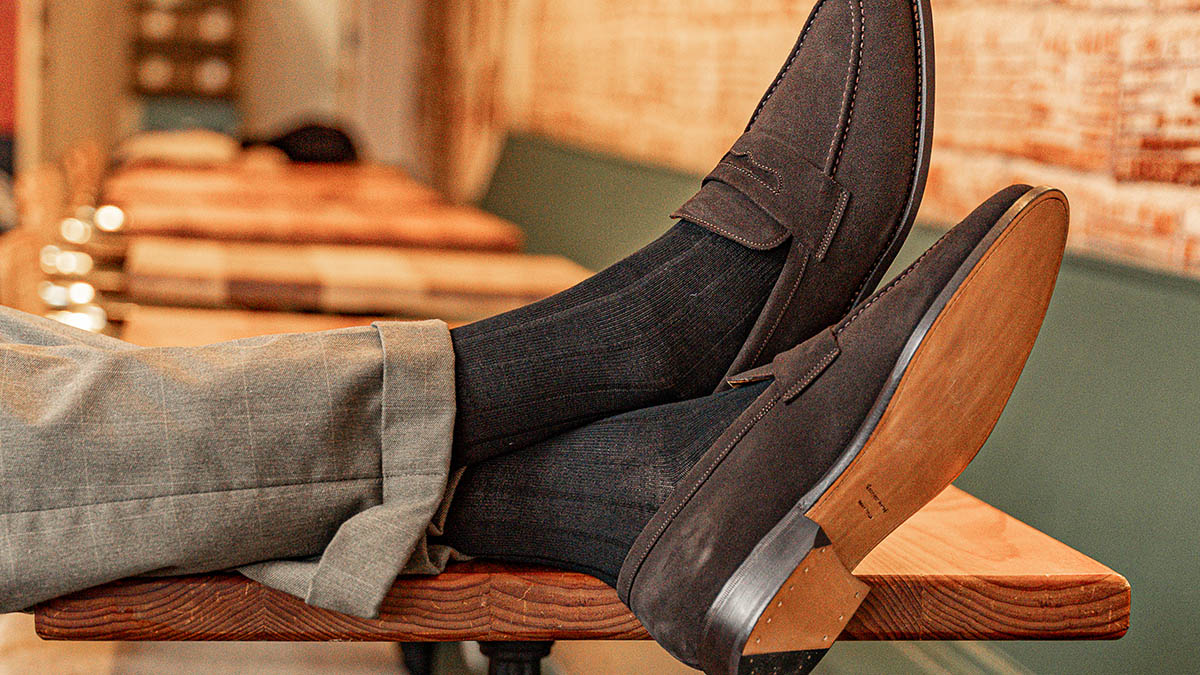
“It’s really an artisanal process,” says Sarah Oehler, Armin’s wife and business partner. “When you’re doing a hand-paint on the shoe, applying a little bit more paint on the toe box and around the stitches, the finish will come down to the time of year and who’s painting it. So even batch to batch will have some variation.”
The offerings include a robust line of golf shoes, inspired by the designer’s own passion for the sport—so keen that he built a golf simulator in his Greenville warehouse when COVID curtailed public tee times.
For Armin, quality materials and processes are paramount. Cork inner liners and steel shanks are hallmarks of his shoes, and the Goodyear weld guarantees longevity if they need to be resoled.
“It takes a lot more steps to create that type of shoe,” he says.
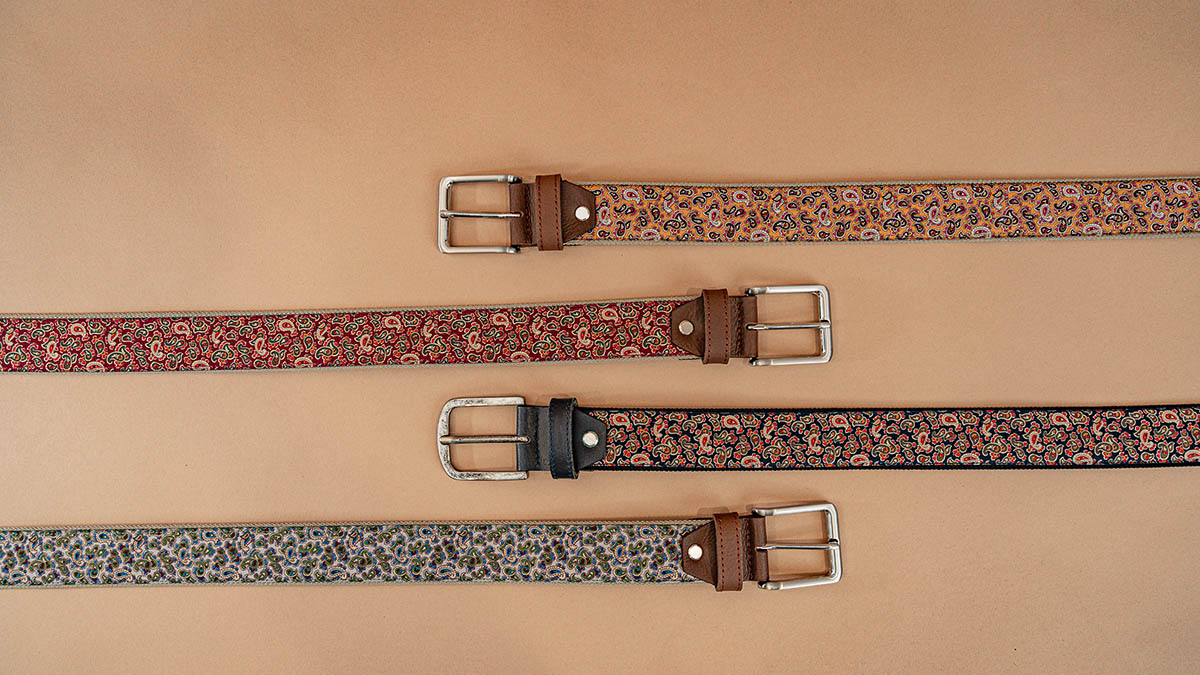
Just this year, he patented a dual-layer elastic belt to add to his line of accessories, which also includes weekender bags, briefcases, and shoe care products. The belt marries the durability of leather with the comfort of a stretch belt, he says.
The raw material may come from six generations of leather tanning in Germany, but much of Armin’s creative vision is informed by the region he has called home for decades. Shoes like his Savannah Oxford, the Augusta Loafer, the Memphis Wingtip, and the Macon Captoe pay tribute to the Southeast, as do the Greenville and Charleston Double Monk Strap designs.
“They’re all speaking to a little bit of the personality of that city,” says Sarah. “And also, how does that shoe speak to us? Someone that wears a double monk has a different kind of a vibe than a guy with a traditional loafer.”
Sole Salvation: Goodyear Welt or Blake Stitch?
True connoisseurs of fine footwear know that the method used to attach the upper to the sole can make a huge difference in style and durability. Usually, one of two techniques are used:
- Blake Stitch: This method attaches the shoe’s upper to the insole and outsole with a single stitch. A relatively quicker and less expensive method, the Blake Stitch can also make a shoe less durable and more difficult to resole.
- Goodyear Welt: Named for a machine originally made by Goodyear, this method uses an additional piece—the welt—to attach the upper to the sole, adding a cork lining. While it’s a more complex and costly method, the use of extra layers in the Goodyear Welt makes a shoe more durable, and resoling is much simpler.


