
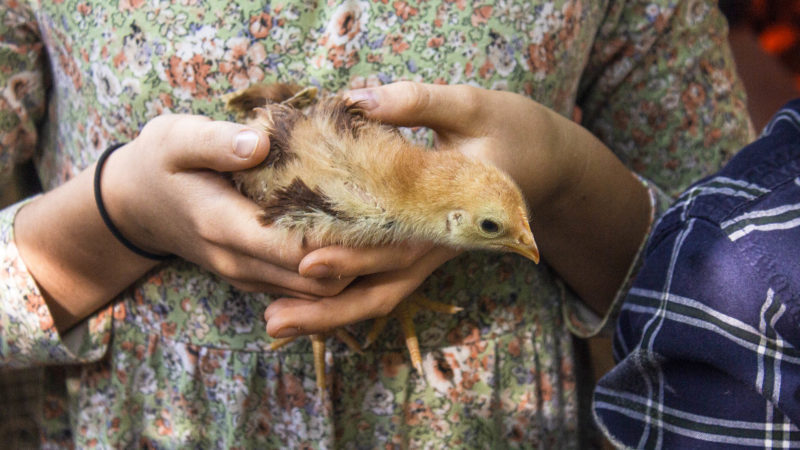
Many of us will never meet our meat, but that isn’t the case for the Callahan family of Callywood Farms. On their 15-acre farm in Westminster, South Carolina, Amanda, BJ, and their two children, Aria and Woods, raise flocks of meat chickens, egg-laying hens, and a herd of nearly 100 pigs. Following guidelines and passing a yearly audit, the family farm is animal welfare certified.
Where factory farming is the norm, animal welfare farms like Callywood Farms are exceptional. In the Callahan’s forest, mama pigs birth and raise piglets, unlike at large industrial farms, where farmers separate piglets from crated mothers at birth. At Callywood, chickens roam outdoors, unlike industrial chickens who never see daylight. Each day, BJ shifts chickens to fresh grass—one of many daily practices in animal welfare.
Raising animals from birth to death takes a lot of work: it’s physical, gets grody, and can be emotional. I was hesitant to prod, but I had to know—“do you ever feel sad about it?” I asked BJ as we stood next to the pig pen. “Yes, definitely,” he replied. “That’s kind of why we do it . . . so we have the ability to feel sad about it, and then feel extra grateful to eat the meat or help feed other families.”
During the farm tour, Aria and Woods strolled along and shared stories about animals. One chicken, Aria told me, fought off a fox, so they named it Fox Fighter. She talked about a piglet they brought inside after she discovered it injured on a hill. Later, when we stopped by the chicken processing site, the kids and BJ detailed the process, which happens where we stood: a dock overlooking a pond reflecting stunning Upstate foliage.
The kids, BJ assured me, along with volunteers and their kids, choose to be part of the big day, which ends with customers picking up a fresh whole chicken. During the process, they follow animal welfare protocol and a step you won’t find in the books. From the dock, they thank each chicken for its life. This practice extends to the pigs, too: before driving them to an approved site, the family waves goodbye and expresses gratitude. “We’re trying to give respect back to the animal,” BJ explains.
Farming with Intent at Callywood Farms
 Their animal welfare farming is part of the family’s general practice of sustainability and intention. When native elderberry bushes spring up along the creek, they harvest fruit and leaves. When logs fall from the forest, they plant them with spores. They recently obtained two beehives, and apple trees line the farm. A remarkable baker and talented chef, Amanda uses farm-grown food to feed her family and community.
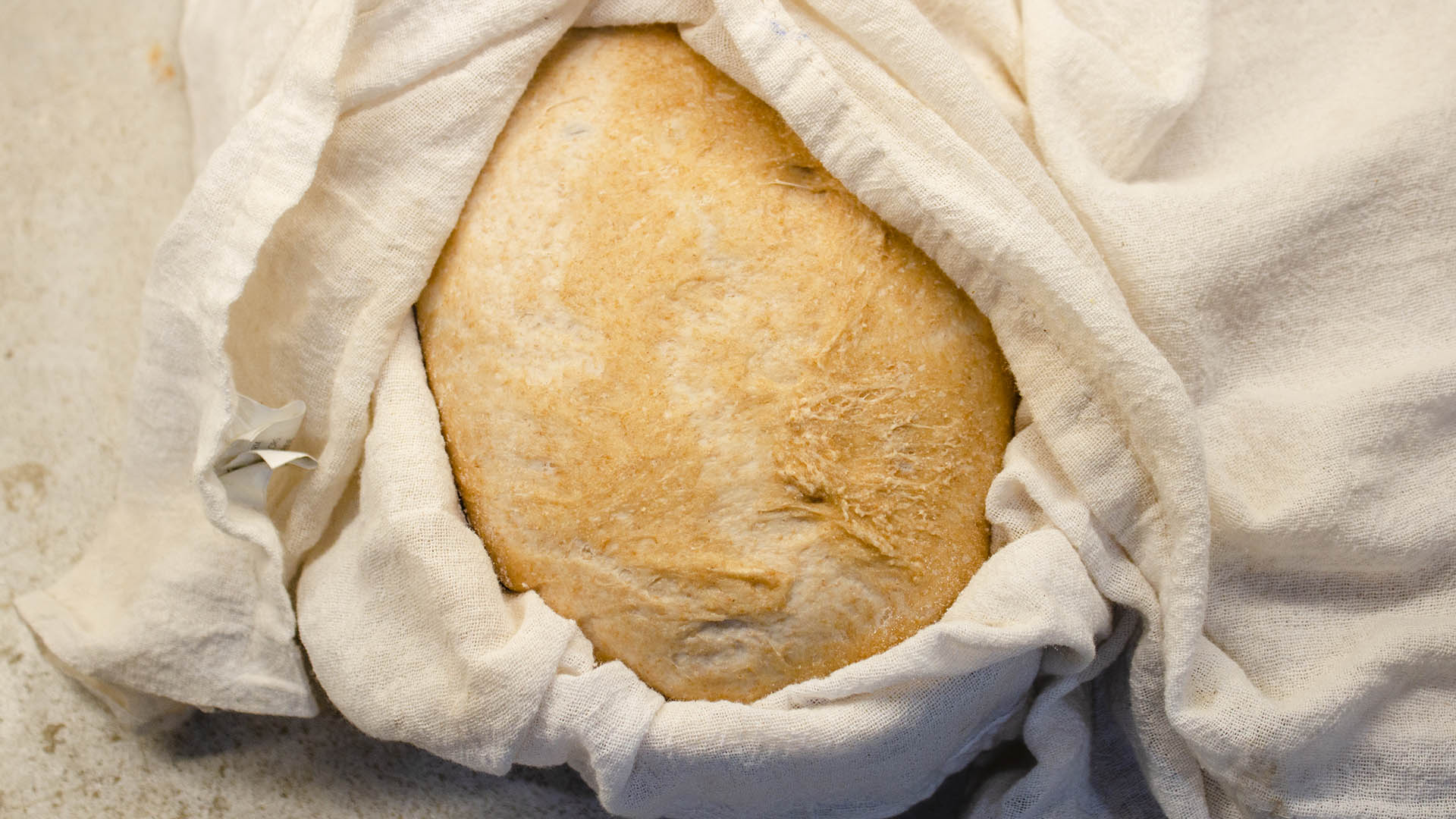
Over coffee and tea, Amanda showed me her ten-year-old sourdough starter, which she uses weekly to bake sourdough bread. Later, she chatted about apple cider and pickled elderberries as we walked by the creek. The elderberries, she said, would top trout dip in one of six courses at her upcoming farm-to-table dinner at Sister’s Restaurant in Salem. After we returned to the kitchen, Amanda arranged sliced radishes on freshly baked and buttered sourdough bread, and pointed to mushroom broth on her farmhouse kitchen counter.
When I asked Amanda how she started cooking, she talked about healthier and cleaner food—and then a slower form of life. “It’s incredible that literally all that’s in the loaf is filtered water, flour, salt, and sourdough,” she gushed. “That’s it.” To make sourdough, Amanda sources flour, feeds yeast, kneads dough. It’s a process that, like raising livestock and cooking, takes time, patience, care. At that moment, Amanda recognized the loaf ingredients as the family recognizes animal lives. It’s a recognition that does not take food or its sources for granted.
Each Tuesday, the Callahans bring their meats, eggs, and other prepared food to Clemson Area Food Exchange (CAFE), an organization connecting farmers to customers through weekly pick-up and drop-off sites. Amanda also routinely holds sourdough workshops, shares recipes online, and hosts weekly meal planning. To join her sourdough workshop on December 2 or 3, learn more about CAFE, or find fresh recipes, visit callywoodfarms.com.
Livestock Livelihood
Animal welfare farmers follow evidence-based guidelines to promote animal livelihood and undergo yearly audits to earn certified status. Guidelines include:
- Routine access to foraging and a well-balanced diet
- Free-range, pasture-based, prohibited confinement
- Breeds selected to match local climate conditions
- Prevention and limitation of pain, harm, and distress
Photography by Jen Jefferson.


